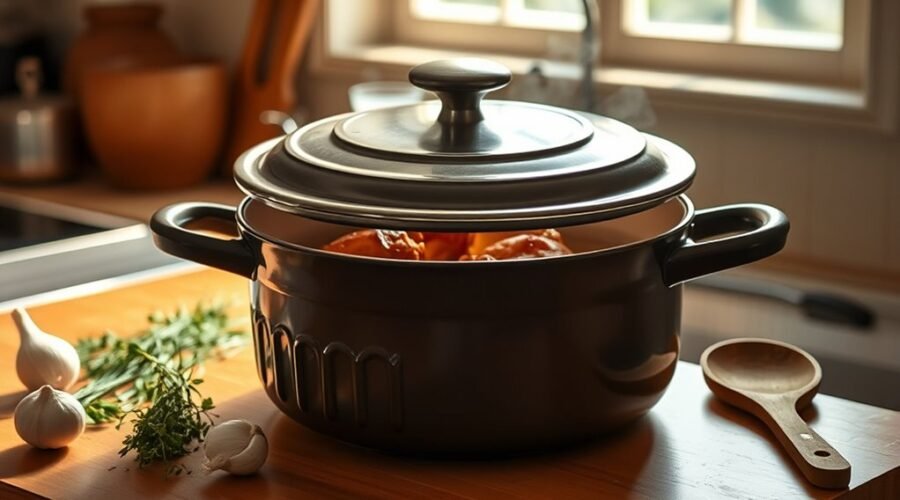
If you’ve ever wondered how to achieve perfectly tender meats and rich, flavorful stews, a braiser pan might be your next kitchen essential. This versatile tool combines the best features of a Dutch oven and a skillet, making it perfect for slow cooking and braising. With its wide, shallow design and tight-fitting lid, it excels in moisture retention and even cooking. Curious about its specific features and the best ways to use it? Let’s explore.
What Is a Braiser Pan and Why Use It?
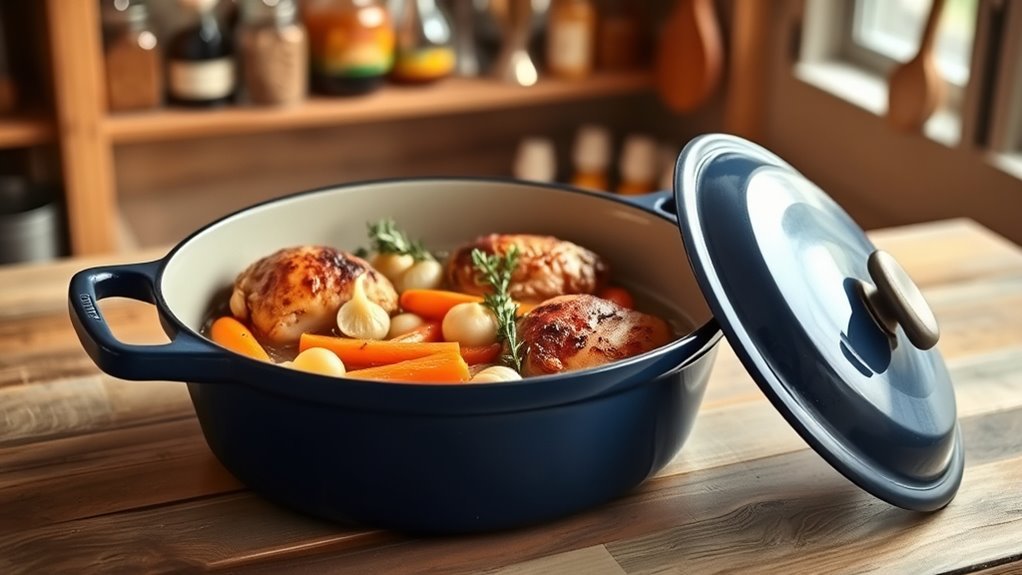
A braiser pan is a culinary powerhouse that combines the best features of a Dutch oven and a skillet, making it an essential tool in any kitchen.
Its wide base and shallow sides offer incredible versatility for slow cooking and braising, letting you develop rich flavors in your dishes. The larger surface area promotes effective browning, ensuring your meats get that perfect sear while also speeding up liquid reduction for thicker sauces.
The braiser’s wide base and shallow sides excel at developing rich flavors and achieving that perfect sear for your meats.
When you cover it with a tight-fitting lid, the moisture locks in, enhancing tenderness and flavor. Whether you’re tenderizing tougher cuts of meat or simmering a delicious stew, an enameled cast iron braiser pan, like those from Le Creuset or Staub, is your go-to.
Plus, they’re induction-compatible and dishwasher-safe, making cleanup a breeze. Embrace the freedom this versatile tool brings to your culinary adventures!
Essential Features of a Braiser Pan
When you explore the essential features of a braiser pan, you’ll find that its design is tailored for both efficiency and versatility in the kitchen.
With a wide cooking surface and shallow sides, this pan promotes even browning, making it easier to achieve that perfect sear. Typically crafted from enameled cast iron, it can handle high temperatures, seamlessly shifting from stovetop to oven.
At around 3.5 quarts, the braiser is versatile enough for one-pot meals, stews, and casseroles, offering ample space for your culinary creativity.
Many braisers include a tight-fitting lid that locks in moisture, ensuring your dishes come out tender and packed with flavor. Plus, the shallow design aids in liquid reduction, enriching your sauces.
Whether you’re a novice or a seasoned cook, a braiser pan is an indispensable tool that elevates your cooking experience.
Cooking Techniques for Your Braiser
When you’re ready to unleash the full potential of your braiser, mastering braising techniques is key.
This versatile pan not only excels at slow cooking but also shines in searing and shallow frying, giving you plenty of options in the kitchen.
With its wide surface area and tight-fitting lid, you’ll create tender dishes rich in flavor and perfectly browned every time.
Braising Techniques Explained
Although braising may seem intimidating at first, mastering this technique can transform your cooking experience, especially when using a braiser. This method combines dry and moist heat, perfect for tenderizing tough cuts of meat and hearty vegetables.
The braiser’s shallow design allows for better browning, enhancing flavors as you sear ingredients before slowly cooking them in liquid. It’s ideal for one-pot meals, like rich stews or casseroles, where deep flavors develop over time.
Don’t forget the deglazing step; scraping up the fond creates thicker sauces and adds complexity to your dish. With steady heat, you’ll achieve tender, flavorful outcomes that will impress anyone at your table.
Embrace braising, and liberate your culinary skills!
Versatile Cooking Methods
Braising isn’t the only technique you can master with a braiser; its versatility opens up a world of culinary possibilities.
With its wide, shallow design, the braiser excels in slow-cooking tough cuts of meat, ensuring even heat distribution and moisture retention for tender results. You can also sear meats to perfection, creating a rich crust before shifting to slow-cooking.
The larger cooking surface accelerates liquid evaporation, making it ideal for crafting thick sauces that burst with flavor. Plus, you can easily prepare one-pot meals, seamlessly moving from stovetop to oven.
The tight-fitting lid locks in moisture, enhancing dishes like stews and casseroles while simplifying cleanup. Embrace the versatility of your braiser and elevate your cooking game!
Top Braiser Pan Brands and Their Offers
When it comes to choosing a braiser pan, several brands stand out with unique features and price ranges.
You’ll find everything from Le Creuset’s premium enameled options to budget-friendly choices like Tramontina, each offering distinct advantages for your cooking needs.
Let’s compare these popular brands and explore what they bring to your kitchen.
Popular Braiser Brands
If you’re looking to elevate your cooking experience, exploring popular braiser brands can lead you to some exceptional choices.
Le Creuset stands out with its chip-resistant enamel, generous handles, and a sleek design, perfect for braising.
Staub offers a premium option featuring a matte black interior that resists stains and a domed lid with self-basting spikes, ensuring moisture retention.
For those focused on batch cooking, Misen provides a squared design that maximizes cooking surface area and easy cleanup with its enamel coating.
Meanwhile, Tramontina offers an affordable choice that heats evenly, though its enamel durability may fall short of high-end brands.
Each of these options caters to various cooking styles and preferences, empowering your culinary adventures.
Key Features Comparison
Choosing the right braiser pan can greatly enhance your cooking, and understanding the key features of top brands helps you make an informed decision. Here’s a quick comparison of some leading options:
| Brand | Capacity & Cooking Surface | Key Features |
|---|---|---|
| Le Creuset Enameled | 3.5 quarts, 10 inches | Chip-resistant enamel, even browning |
| Staub | 4.5 quarts, 15.5 inches | Domed lid, self-basting spikes |
| Misen | 3.5 quarts, squared design | Induction-compatible, 18 lbs |
| Tramontina Bestow | Large, 15.25 inches | Budget-friendly, solid performance |
| Le Creuset Modern Heritage | 4.5 quarts, 14 inches | Retro design, lighter feel |
These braisers offer a mix of performance and design, catering to various cooking needs and budgets. Choose wisely!
Price Ranges and Options
Understanding the price ranges of top braiser pans can guide you toward the perfect choice for your kitchen.
For premium options, Le Creuset and Staub braisers, priced around $380 and $365 respectively, offer exceptional performance and enamel durability. Their cast iron construction guarantees even heating and moisture retention.
If you’re looking for a more budget-friendly choice, consider the Misen braiser at $269, often discounted to $202, which maximizes cooking surface area.
Tramontina offers solid performance at around $100, though its enamel may not be as durable.
Each brand presents options that cater to different needs, allowing you to find a braiser that fits both your cooking style and budget.
How to Care for Your Braiser Pan
Caring for your braiser pan is essential to keep it in top shape and extend its lifespan.
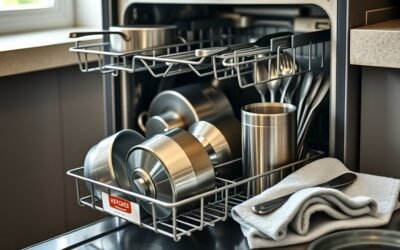
To clean, use hot water and dish soap along with a heavy-duty scouring pad to effectively remove stains without damaging the enamel surface. Avoid metal utensils; they can chip the enamel and compromise your pan’s durability.
If your braiser is cast iron, regular seasoning is key to maintaining its non-stick properties and preventing rust. Always let the pan cool before washing to prevent thermal shock, which can harm the enamel.
When it’s time to store your braiser, place it in a dry area. Consider putting a paper towel between the lid and base to absorb any moisture, which helps avoid chipping.
With these steps, you’ll guarantee your braiser pan remains a reliable kitchen companion for years to come.
Delicious Recipes You Can Make in a Braiser
While you might think of a braiser primarily for its braising capabilities, this versatile pan opens the door to a world of delicious recipes that can elevate your home cooking.
Imagine sinking your fork into tender braised short ribs, melted in a rich, thick sauce, or savoring the aromatic flavors of Moroccan chicken, perfectly simmered to perfection.
With its shallow depth, the braiser excels at creating one-pot meals like chili and casseroles, allowing flavors to develop beautifully under its tight-fitting lid.
You can also whip up a delightful chicken parm, where the effective evaporation results in a luscious sauce.
Don’t overlook its baking potential—focaccia and bread pudding turn out spectacularly in a braiser!
With a generous capacity of around 3.5 quarts, it’s perfect for family meals or entertaining, showcasing the true versatility of this essential kitchen tool.
Frequently Asked Questions
Can I Use a Braiser Instead of a Skillet?
Yes, you can use a braiser instead of a skillet! A braiser’s deeper sides and tight lid enhance heat distribution, making it perfect for braising recipes and slow-cooking techniques.
You’ll enjoy the flavor enhancement from ingredient pairings that develop over time. While skillets excel at quick tasks, a braiser’s versatility shines in one-pot meals.
Just keep in mind size comparisons and maintenance tips for ideal performance with various material types.
What Can I Use Instead of a Braiser Pan?
If you’re looking for alternatives to a braiser pan, consider cast iron options for excellent heat retention or stainless steel for durability.
A Dutch oven works well for slow cooking, while a roasting pan can handle larger cuts.
For stovetop use, try a sauté pan or an electric skillet for versatility.
You can also opt for ceramic dishes or glass bakeware for oven applications, ensuring you keep moisture in while cooking.
Do You Really Need a Braiser?
You don’t necessarily need a braiser, but it can be your culinary lighthouse, guiding you through flavorful waters.
With its superb heat distribution and versatility, it enhances braising techniques and opens doors to countless recipe variations.
Imagine effortlessly preparing tender meals while mastering various cooking methods.
This piece of cookware boosts your cooking efficiency, elevating ingredient compatibility and transforming meal preparation into an art.
While not essential, it’s a game-changer for passionate cooks.
What Is the Difference Between a Pan and a Braiser?
A braiser differs from a pan in size, shape, and function. While a braiser’s deep, wide design and tight-fitting lid enhance heat retention for slow cooking, a pan’s shallower form is perfect for quick frying.
When choosing braiser materials, consider durability and price range. For recipe suitability, braisers excel with tougher cuts, while pans shine in searing.
Cleaning tips vary, so always check brand comparisons to find what suits your cooking style best!
Conclusion
In the kitchen, your braiser pan is like a trusted friend, always ready to help you create memorable meals. It transforms tough cuts of meat into tender delights, just as a warm hug can turn a bad day around. With its ability to lock in flavors and moisture, this versatile tool becomes your culinary sidekick, guiding you to delicious one-pot wonders. So, embrace your braiser, and let it lead you on a flavorful journey!