
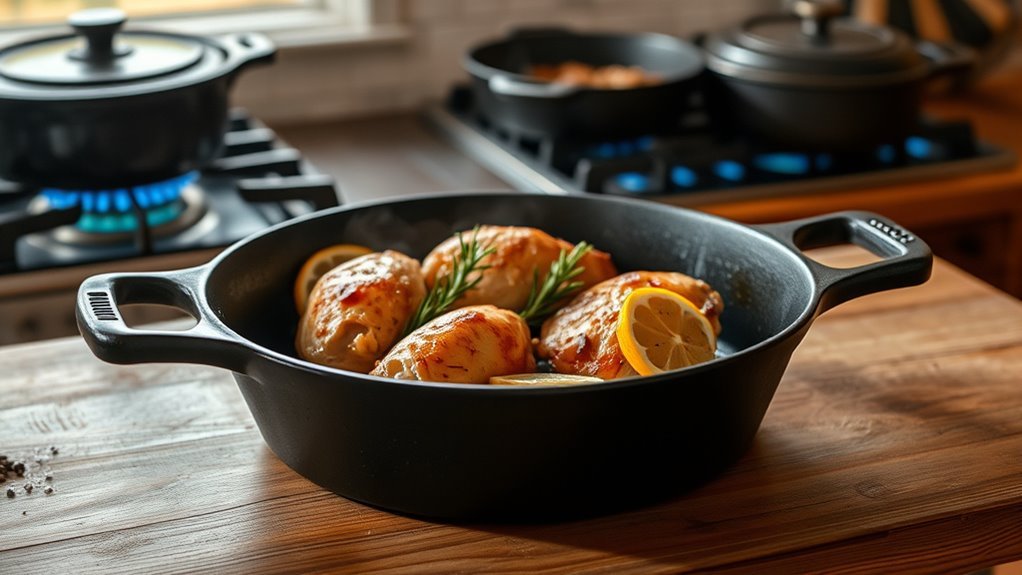
If you think cast iron cookware is just another kitchen tool, think again—it’s a culinary powerhouse that can transform your cooking experience. Made from molten iron, this versatile cookware excels in heat retention and distribution, perfect for frying, baking, or sautéing. But what makes it stand out among other materials? Discover the unique features, essential uses, and even the myths surrounding cast iron that might just change the way you cook forever.
What Is Cast Iron Cookware and How Is It Made?
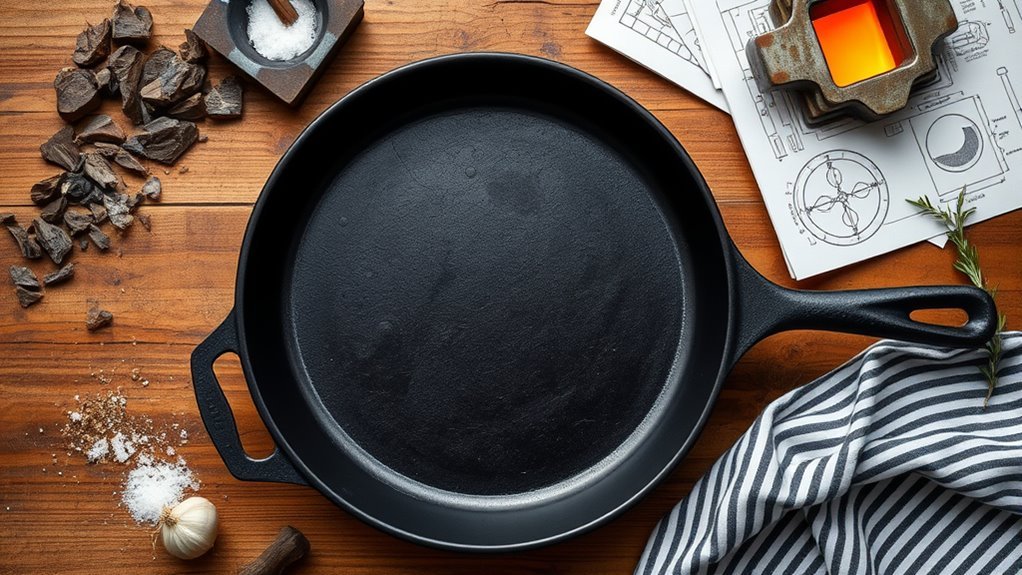
Cast iron cookware is a culinary staple renowned for its durability and versatility. Crafted by pouring molten iron into molds, these heavy pieces are built to last, capable of withstanding high temperatures and direct flames. The manufacturing process involves casting and cooling, often followed by a seasoning treatment that creates a natural non-stick layer.
When you use a cast iron skillet, you’ll appreciate its excellent heat retention and even distribution, making it perfect for frying, baking, or roasting your favorite dishes.
Many cast iron pieces come pre-seasoned, enhancing their protective coating right from the start. With proper care, your cast iron cookware can last for generations, developing a unique layer of seasoning that not only adds character but also improves cooking performance over time.
Many cast iron pieces arrive pre-seasoned, ensuring longevity and enhancing cooking performance with each use.
Embrace the freedom of cooking with cast iron, and let its rich history and unparalleled functionality elevate your culinary adventures.
Unique Features of Cast Iron Cookware You Should Know
When you choose cast iron cookware, you’re investing in a piece that’s built to last for generations.
Its remarkable versatility allows you to fry, bake, and sauté with ease, whether on the stovetop or over an open flame.
Plus, the durable nature of cast iron guarantees that it will only get better with age, enhancing your cooking experience over time.
Longevity and Durability
While many cookware options fade over time, cast iron stands out for its remarkable longevity and durability. This cookware can last for generations when cared for properly, making it a smart investment for your kitchen.
Unlike non-stick pans that lose their coating, cast iron develops a natural non-stick surface through seasoning, improving with each use. Its ability to withstand high temperatures means you can fry, bake, or grill without worry.
Virtually indestructible, cast iron handles uneven heat effortlessly and shifts seamlessly from stovetop to oven. Regular use not only enhances its functionality but also adds unique character, giving you a piece of cookware that tells a story while serving delicious meals.
Embrace the freedom of cooking with a timeless companion!
Versatile Cooking Methods
Whether you’re frying up a hearty breakfast or baking a rustic loaf of bread, the versatility of cast iron cookware shines through in every meal. Its ability to retain heat evenly guarantees your dishes cook perfectly, while its adaptability to various heat sources, like gas, electric, or even campfires, opens up a world of cooking adventures.
- Fry, sear, and sauté with ease
- Bake casseroles and breads to golden perfection
- Roast meats while doubling as a stylish serving platter
When cooking with cast iron, the proper seasoning creates a natural non-stick surface that improves over time.
Embrace the freedom of cast iron, and explore countless culinary possibilities that elevate your kitchen experience!
Why Choose Cast Iron?
Choosing cast iron cookware isn’t just about functionality; it’s about investing in a timeless kitchen companion that enhances your cooking experience. With its remarkable durability, your cast iron skillet can last for generations, making it a quality investment. Its exceptional heat retention and even heat distribution guarantee your meals are cooked perfectly, whether you’re searing, frying, or baking.
Additionally, a pre-seasoned cast iron skillet offers a chemical-free non-stick surface that only improves with use, promoting healthier cooking. Plus, it adds a small but significant amount of dietary iron to your meals, which can be especially beneficial for those with deficiencies.
| Feature | Benefit | Why It Matters |
|---|---|---|
| Durability | Lasts for generations | Saves money long-term |
| Heat Retention | Even cooking | Perfect results every time |
| Non-stick Surface | Healthier cooking | No harmful coatings |
| Versatility | Use anywhere | Great for all cooking environments |
Embrace the liberation that comes with cast iron!
Essential Uses of Cast Iron Cookware in Your Kitchen
Cast iron cookware is a kitchen powerhouse, ready to elevate your culinary creations. Its versatility makes it perfect for various cooking methods, whether you’re frying eggs for breakfast or roasting a hearty stew for dinner.
Cast iron cookware elevates your culinary creations, perfect for everything from breakfast eggs to hearty stews.
Here are some essential uses of cast iron in your kitchen:
- Searing and Browning: Achieve that perfect crust on meats with even heat distribution.
- Baking: Create stunning cornbreads or deep-dish pizzas with excellent heat retention.
- Outdoor Cooking: Take your skillet to the campfire for a rustic dining experience.
With cast iron benefits like a minor boost of dietary iron, you’re not just cooking; you’re enhancing your meals.
Remember these cooking tips: use medium heat for best results and explore maintenance hacks to keep your cookware in top shape. Regular seasoning will create a natural non-stick surface, ensuring your cast iron lasts for generations.
How to Season Your Cast Iron Cookware for Best Results
Transform your cooking experience by mastering the art of seasoning your cast iron cookware.
Start by washing your skillet with warm water and a soft sponge, using mild soap to clear any factory residues.
Dry it thoroughly on low heat to avoid rust—moisture is your enemy!
Next, apply a thin layer of high smoke point oil, wiping off any excess to prevent a sticky finish.
Heat your oiled cookware on medium until it lightly smokes, allowing the oil to bond with the iron.
This creates a protective layer, enhancing the cast iron benefits you’ll enjoy.
For your initial cooking, choose simple, fatty foods like eggs or oily veggies to strengthen that seasoning layer.
Avoid acidic foods at first, as they can damage it.
Follow these seasoning tips, and you’ll reveal endless cooking techniques that bring out the best in your cast iron!
Cooking Techniques Perfect for Your Cast Iron
Once you’ve perfected the seasoning of your cast iron cookware, it’s time to explore the myriad of cooking techniques that truly showcase its strengths.
Cast iron excels in heat retention, making it ideal for various methods. Here are a few techniques you can immerse yourself in:
- Sauté techniques: Preheat your skillet for 5-10 minutes on medium-low heat to guarantee even cooking. This helps minimize hot spots and enhances flavor.
- Frying methods: Use fatty foods to start, reinforcing your skillet’s seasoning while achieving that crispy perfection.
- Baking tips: From cornbread to pizza, cast iron’s ability to distribute heat evenly makes it a powerhouse in the oven. Just be cautious with acidic ingredients to preserve your seasoning.
Embrace these techniques, and you’ll access a world of culinary possibilities with your cast iron, making each meal a delightful experience.
Best Practices for Cleaning and Maintaining Cast Iron
To keep your cast iron cookware in top shape, you’ll want to master a few essential cleaning techniques and seasoning methods.
Regular maintenance not only preserves its non-stick surface but also enhances its durability.
Let’s explore the best practices that guarantee your cast iron lasts for generations.
Essential Cleaning Techniques
When you want to keep your cast iron cookware in top shape, mastering essential cleaning techniques is key. You’ll face some cleaning challenges, but with the right approach, rust prevention becomes a breeze.
- Clean with warm water and a soft sponge; use mild soap only during the initial wash to protect the seasoning.
- Always dry your cookware thoroughly by heating it on low, ensuring moisture evaporates to prevent rust.
- After drying, apply a thin layer of high-smoke-point oil, wiping off excess to avoid sticky seasoning myths.
Proper Seasoning Methods
Properly seasoning your cast iron cookware is essential for achieving a durable, non-stick surface that enhances your cooking experience. Start by cleaning your skillet and applying a thin layer of high-smoke-point oil, ensuring an even coat without excess. Heat it to medium until the oil lightly smokes; this temperature is vital for bonding the oil to the iron.
| Step | Action | Frequency |
|---|---|---|
| Cleaning | Use warm water and a soft sponge | After each use |
| Oil Application | Apply a thin layer of oil | As needed |
| Heating | Heat until lightly smoking | After oil application |
| Cooking | Start with fatty foods | Initially and regularly |
Regular seasoning enhances your skillet’s non-stick properties, ensuring a liberating cooking experience!
Long-Term Maintenance Tips
After you’ve seasoned your cast iron cookware, maintaining it becomes key to ensuring its longevity and performance. Here are some essential tips to keep your skillet in top shape:
- Rust Prevention Techniques: Always dry your cookware thoroughly after washing, ideally by heating it on low heat to evaporate moisture.
- Oil Selection Tips: Use high-smoke-point oils for seasoning and cooking. This enhances non-stick properties and prevents breakdown.
- Storage Solutions: Store your cast iron in a dry place, placing a paper towel inside to absorb moisture and protect the seasoning.
What Myths Should You Ignore About Cast Iron Cookware?
Have you ever wondered what common myths about cast iron cookware you can safely ignore? Let’s explore some myth-busting truths.
First, cast iron isn’t high-maintenance; regular use and simple cleaning are all you need for great performance.
You might think it’s not a non-stick option, but with proper seasoning, it can handle many cooking techniques, though it may take some practice for delicate foods.
Fear not the soap! A little mild soap won’t ruin your pan; just remember to dry it well.
As for cooking limitations, cast iron is versatile—perfect for baking, slow cooking, and more, across various heat sources.
Finally, don’t worry about rust; with good maintenance tips and proper storage, your cookware can last a lifetime.
Embrace the freedom of cast iron cooking, and dismiss these myths for a rewarding culinary experience!
Nutritional Benefits of Cooking With Cast Iron
When you cook with cast iron, you’re not just enjoying a timeless kitchen staple; you’re also boosting your iron intake.
The cookware can leach small amounts of iron into your meals, especially when preparing acidic foods. This natural enhancement can be particularly beneficial if you’re looking to improve your nutritional balance.
Iron Leaching Benefits
Cooking with cast iron cookware not only enhances the flavor of your meals, but it also offers a unique nutritional benefit: the leaching of iron into your food. This natural process provides a dietary iron source, making it especially beneficial for those with iron deficiencies or anemia.
- Supports iron absorption benefits: Regularly cooking in cast iron can help you meet daily iron intake recommendations.
- Varies by food type: Acidic or moist foods tend to leach more iron, enhancing your meals.
- Cooking safety: Cast iron is free from harmful chemicals, ensuring that the leaching process is safe for your health.
Embrace the power of cast iron to boost your nutrition while savoring delicious meals!
Enhancing Nutritional Intake
By harnessing the unique properties of cast iron cookware, you can greatly enhance your nutritional intake. Cooking with cast iron allows small amounts of iron to leach into your food, serving as a natural dietary source of iron—especially beneficial for those with deficiencies or anemia.
This iron transfer boosts the nutritional value of your meals, particularly when preparing acidic foods like tomatoes, which promote iron absorption. Unlike non-stick pans with harmful coatings, cast iron is a safer, healthier option.
Plus, the seasoning process not only provides a non-stick surface but also adds to the nutritional benefits. Embrace cast iron for meal enhancement and improve your overall health while enjoying delicious, iron-rich dishes.
Types of Cast Iron Cookware You Need to Know About
Cast iron cookware is a kitchen staple that combines durability with versatility, making it a must-have for any home chef. Here are some essential types you need to know about:
- Skillets and Frying Pans: Perfect for your skillet selection, these pieces excel at frying, searing, and browning. Many come pre-seasoned for immediate use and provide excellent heat retention.
- Dutch Ovens: With their thick walls and tight-fitting lids, Dutch ovens offer incredible Dutch oven benefits. They’re ideal for braising, baking, and slow-cooking, ensuring even heat distribution for all your favorite dishes.
- Griddles and Grill Pans: Enjoy griddle versatility with these flat surfaces designed for high-heat cooking. Whether it’s pancakes or grilled sandwiches, they create those irresistible grill marks that elevate your meal.
Each type brings unique advantages, enhancing your culinary creations and liberating your cooking experience!
Frequently Asked Questions
Is It Healthy to Cook With Cast Iron?
Yes, it’s healthy to cook with cast iron! You’ll boost your iron absorption, especially when preparing acidic foods like tomatoes.
To make the most of your cookware, follow seasoning tips—this enhances its non-stick properties and reduces the need for added fats.
Experiment with various cooking techniques to discover new flavors while enjoying the benefits of a safer, toxin-free option.
Embrace this timeless cookware and elevate your culinary experience!
What Are the Downsides of Cast Iron?
One in five people struggle with the weight of cast iron cookware, which can be cumbersome to manage.
Rust prevention is essential, as improper drying can lead to damage.
Plus, the maintenance tips, like regular seasoning, demand time and effort.
If you’re in a hurry, you might find its slower heating less convenient.
And remember, acidic foods can react negatively, affecting flavor and the seasoning layer.
Weigh these downsides carefully!
Is Cast Iron Better Than Stainless Steel?
Yes, cast iron often outshines stainless steel. Its durability means it can last for generations, while its exceptional heat retention enhances your cooking performance.
You’ll find it ideal for searing and slow cooking, creating mouthwatering dishes that sing with flavor. Unlike stainless steel, cast iron develops a natural non-stick surface with seasoning, giving you freedom in the kitchen.
If you’re ready to elevate your culinary game, cast iron’s the way to go!
Is Cast Iron Cookware Safe?
Yes, cast iron cookware is safe, especially when you apply proper cast iron maintenance and seasoning techniques.
These methods create a natural non-stick surface, enhancing your cooking efficiency without harmful chemicals.
You’ll appreciate how it doesn’t leach toxins into your food, while also providing small amounts of dietary iron—great if you need a boost.
Conclusion
In the world of cooking, cast iron cookware stands as a steadfast companion, much like the roots of a sturdy tree. Its enduring nature not only elevates your culinary creations but also connects you to generations past. By embracing this timeless tool, you’re not just preparing meals; you’re crafting memories steeped in tradition. So, whether you’re frying, baking, or sautéing, let your cast iron skillet be the heart of your kitchen, nurturing both your dishes and your family’s legacy.