
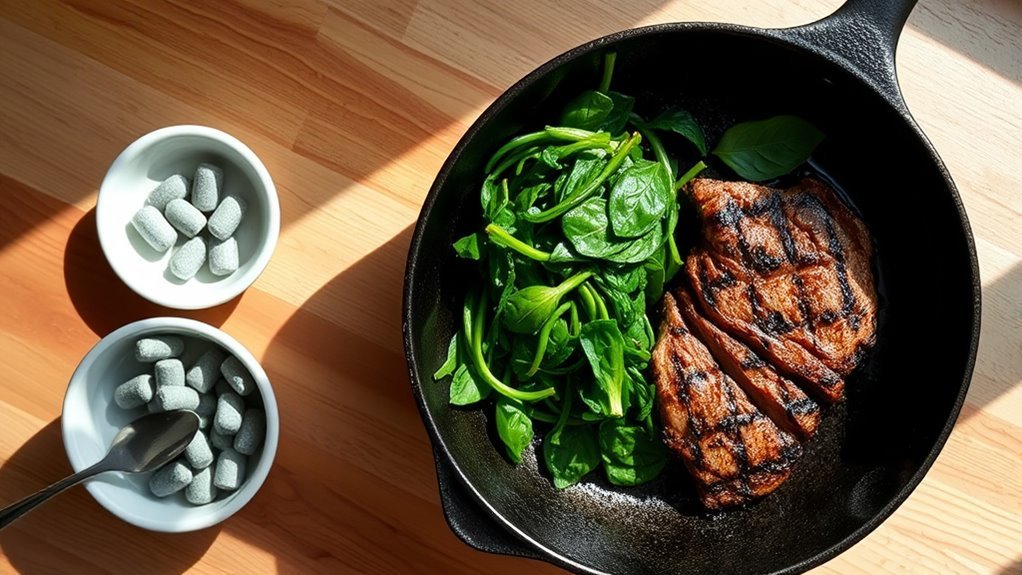
Do you get iron from cooking in cast iron? Yes. Cast iron releases a small amount of iron into food, and the effect is biggest with moist, acidic dishes that cook for a while, like tomato sauce or chili. It is a modest dietary boost, not a treatment for anemia, and a few people should be careful.
Cast Iron and Iron in Food: Quick Facts
| Question | Short answer |
|---|---|
| Does iron transfer to food? | Yes, in small amounts |
| What increases it? | Acidic ingredients, moisture, long simmering, stirring, a newer or stripped pan |
| What adds very little? | Quick, dry cooking such as searing or frying eggs |
| Is it a treatment for anemia? | No. See a doctor for testing and advice |
| Who should check first? | People with hemochromatosis or other iron overload conditions |
How Does Cast Iron Add Iron to Your Food?
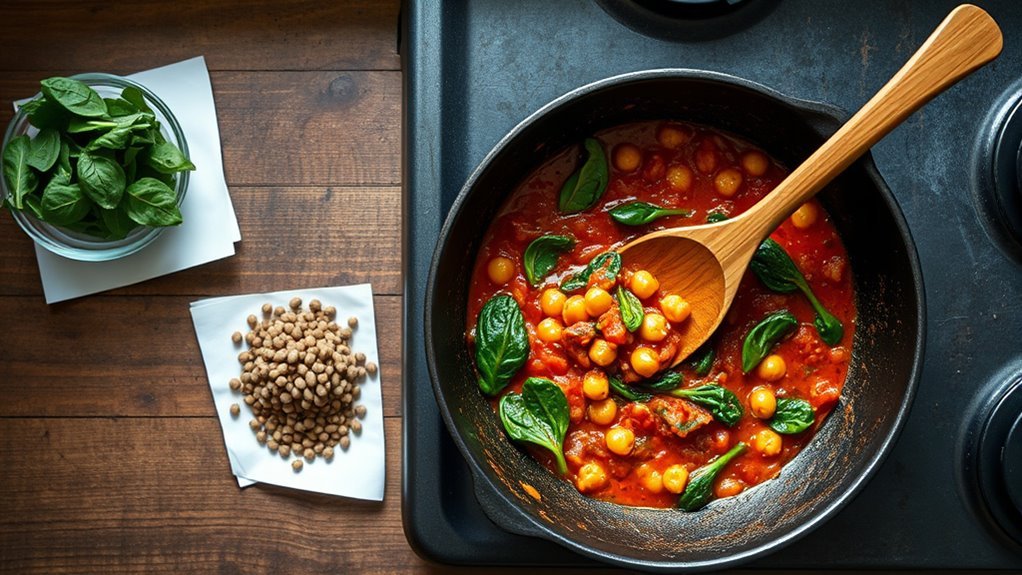
Cast iron is a metal pan, and a tiny amount of that metal dissolves into food as it cooks. Acid speeds this up, which is why tomato sauce, applesauce and dishes with wine or vinegar pick up more than dry foods do.
The iron that comes from cookware is non-heme iron, the same type found in plants. A published food-science study that cooked applesauce and spaghetti sauce in an iron skillet found more iron in the food than in the same recipes cooked in non-iron cookware, even after the skillet had been used 50 times.
What Changes How Much Iron You Get?
There is no single number you can rely on. Published figures vary because so many things affect the result:
- Acidity: tomatoes, citrus, vinegar and wine pull more iron from the pan.
- Moisture: sauces, stews and soups have more contact with the pan than dry foods.
- Cooking time: a 30-minute simmer releases more than a 5-minute sear.
- Stirring: moving food around the pan increases contact with the metal.
- Pan condition: a new, stripped or rusty pan tends to release more than one with a thick, smooth seasoning layer.
For a breakdown by dish, see which foods pick up iron from a cast iron skillet.
How Much Iron Is That Compared With Your Daily Needs?
The U.S. National Institutes of Health lists a daily iron recommendation of 8 mg for adult men and 18 mg for women aged 19 to 50. After 50, the figure for women drops to 8 mg. The upper limit for adults is 45 mg a day from all sources combined.
A serving of a long-simmered acidic dish from a cast iron pan can add a few milligrams in lab conditions, so it can matter. It is still one piece of your overall diet, and real kitchens give different results from lab tests.
Can Cast Iron Help With Iron Deficiency?
Researchers have studied iron pots and ingots in places where anemia is common. Some trials reported higher hemoglobin, but the results were mixed and only some were statistically significant.
That is not enough to call cast iron a treatment. If you think your iron is low, a blood test and a doctor’s advice come first. Cast iron can be a supportive habit alongside that advice, not a replacement for it.
Who Should Be Careful With Cast Iron Cookware?
Most healthy adults regulate how much iron they absorb, so normal cast iron cooking is considered fine. Ask your doctor first if you:
- have hemochromatosis, an inherited condition that causes the body to store too much iron
- have been told your ferritin or iron stores are high
- take iron supplements or have a medical condition that affects iron
The NIH advises people with hemochromatosis to avoid iron supplements, so it is sensible to raise cookware too. For more on this, read who benefits from cast iron and who should be cautious.
How to Get More Iron From Cast Iron Cooking
- Choose moist, acidic recipes such as tomato sauce, chili, stews or applesauce.
- Let them simmer for a while, stirring now and then.
- Add vitamin C foods, such as peppers, broccoli or citrus. The NIH notes that vitamin C helps your body absorb iron from plant sources.
- Limit tea, coffee and calcium-rich foods at the same meal if you are trying to absorb more iron, since they can reduce non-heme iron absorption.
Long acidic cooking can wear down seasoning, so re-season if your pan looks dull or food starts to stick. Our guide to caring for a cast iron pan covers cleaning and re-seasoning.
Common Myths About Iron and Cast Iron
- “It adds a lot of iron to everything.” Dry, quick cooking adds very little.
- “A seasoned pan adds no iron.” A seasoned pan still releases some, usually less than a bare one.
- “Cast iron cures anemia.” It does not. Medical advice and testing come first.
- “You can never use soap.” Mild dish soap is fine on a seasoned pan if you dry and oil it afterward.
Related Cast Iron Guides
Frequently Asked Questions
Does cooking in cast iron really add iron to food?
Yes. Lab studies show food cooked in cast iron contains more iron than the same food cooked in glass or other non-iron cookware. The amount depends on the dish, how acidic and moist it is, how long it cooks and the condition of the pan’s seasoning.
Can cast iron cure iron-deficiency anemia?
No. Cast iron can add some dietary iron, but it is not a treatment. Some trials of iron pots in countries with high anemia rates showed higher hemoglobin, though results were mixed. If you suspect low iron, ask a doctor for testing and advice.
Which foods pick up the most iron from a cast iron pan?
Moist, acidic foods that simmer for a while, such as tomato sauce, chili, stews and applesauce. Dry, quick foods like fried eggs, pancakes or seared steak pick up much less because there is less time and less acid to pull iron from the pan.
Is it safe to cook in cast iron every day?
For most healthy adults, yes. The iron added is small compared with the daily upper limit of 45 mg for adults from all sources. People with hemochromatosis or other iron overload conditions should ask their doctor before cooking regularly in cast iron.
Does seasoning stop iron from getting into food?
Not entirely, but a thick, well-built seasoning layer sits between the metal and your food, so a new, stripped or rusty pan tends to release more iron than a heavily seasoned one. Acidic, long-cooked dishes can also wear seasoning down over time.
Conclusion
Cooking in cast iron can add a small amount of iron to your meals, especially moist, acidic, slow-cooked dishes. Treat it as a helpful bonus rather than a medical solution, and talk to a doctor if you have an iron-related condition.
