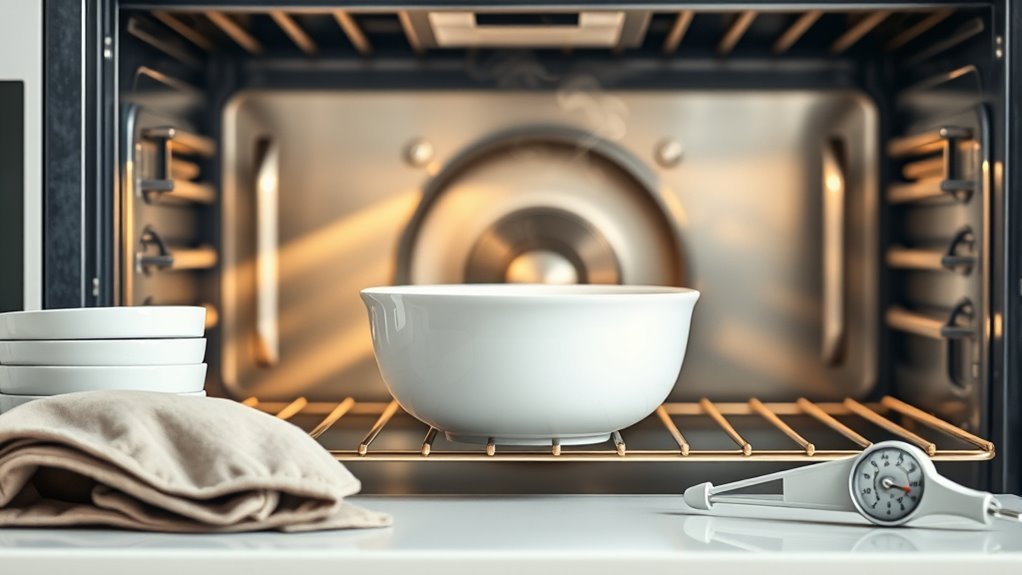
Are porcelain bowls oven safe? Many are, but not all. A porcelain bowl is oven safe when the manufacturer says so, and the rating can range from a gentle warming oven to normal baking heat. Check the base mark or the maker’s website, avoid metallic trim and damaged glaze, and never subject the bowl to sudden temperature changes.
Porcelain is fired at very high temperatures into a dense, glass-like material, so it tolerates heat better than many everyday dishes. Whether a specific bowl is intended for the oven is a design and labeling question, not a material one.
Quick answer: when porcelain is oven safe
| Situation | Oven safe? |
|---|---|
| Marked “oven safe” or “ovenproof” by the maker | Yes, up to the stated temperature |
| Plain tableware with no oven marking | Check the maker; many allow only gentle warming |
| Porcelain baking dish, ramekin or casserole | Usually yes, within the rated limit |
| Gold, silver or painted metallic trim | Often not rated; avoid unless the maker approves |
| Chipped, cracked or crazed bowl | No |
| Decorative or “not for food use” piece | No |
| Vintage or unknown-origin bowl | No, because the glaze is unknown |
How to check if your porcelain bowl is oven safe
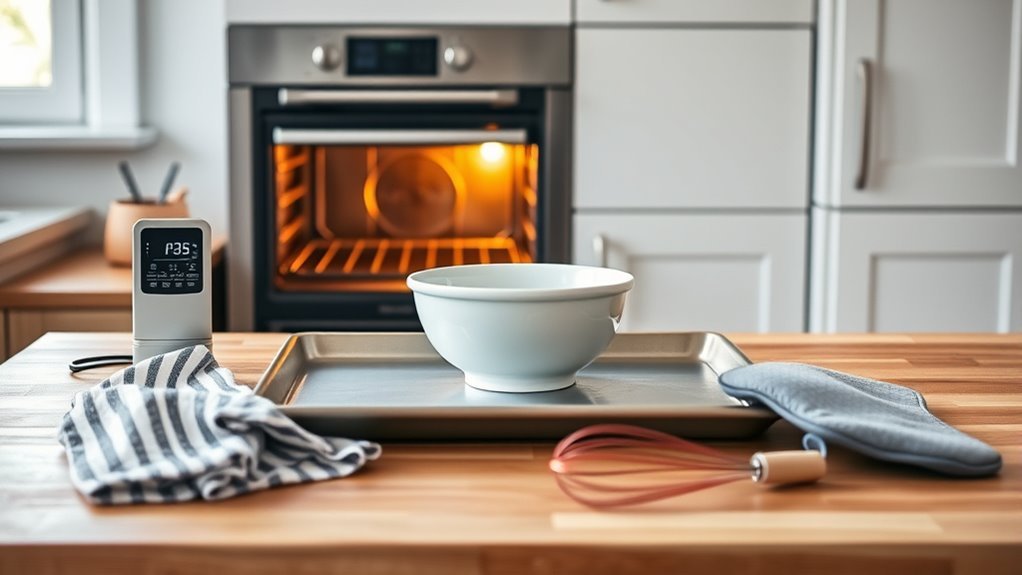
- Flip the bowl over and look for an oven-safe symbol or wording. The maker’s name or pattern on the base often helps you find the product page.
- Look up the exact product on the manufacturer’s website or care card and note any temperature limit.
- Inspect the bowl for chips, hairline cracks, crazing (a network of fine lines) and worn glaze.
- Check for metallic bands, gold rims or hand painting.
- If you cannot confirm an oven rating, treat the bowl as not oven safe.
How hot can porcelain go?
There is no single temperature for all porcelain. Makers publish limits per product. As an example, one tableware maker says its dinner plates and mugs are fine in a warm oven at 225°F or lower but are not designed for cooking, while its casseroles and baking dishes can handle normal cooking heat up to 425°F. Another maker may rate its ovenware differently.
Use the number on your product. If the bowl has no rating, a low warming oven is the most you should consider, and only if the maker says it is acceptable.
What causes porcelain to crack in the oven?
The main culprit is thermal shock. Different parts of the bowl heat or cool at different speeds, creating stress that can crack or shatter it.
- Putting a cold or frozen bowl into a hot oven.
- Placing a hot bowl on a cold, wet or stone countertop.
- Running cold water over a hot bowl.
- Using the bowl on a burner, under the broiler or in a toaster oven near the heating element, unless the maker allows it.
- Existing chips or cracks, which concentrate stress.
How to bake safely with an oven-safe porcelain bowl
- Bring the bowl to room temperature before heating.
- Follow the maker’s advice about preheating. If you are unsure, start the bowl in a cold oven and let both heat up together.
- Set the bowl on a rack in the center of the oven, not directly on the oven floor.
- Use oven mitts. Porcelain holds heat and handles can be hot.
- Set the hot bowl on a trivet or dry towel, and let it cool before washing.
Glaze, decoration and food safety
Metallic trims and decoration are mostly a microwave concern, because metal can spark. In a conventional oven they can still wear or tarnish, so many makers do not recommend them. Painted or lustre decoration varies widely, so rely on the maker’s label.
The FDA warns that lead can leach from some ceramic glazes, especially on damaged, antique or handmade pieces, brightly decorated pieces of unknown origin, and items sold as decorative only. Washing does not remove lead from pottery. If a bowl is marked “not for food use,” do not cook or serve food in it, and consider replacing worn or suspect bowls. If a child may have eaten from a suspect piece, ask a healthcare professional about a blood lead test.
Porcelain, ceramic, stoneware and glass
- Porcelain: dense and non-porous, so it resists staining and absorbs little moisture.
- Stoneware: thicker and generally good at holding heat, but ratings vary by product.
- Tempered glass: good for baking, but it can also suffer thermal shock.
- Cast iron: a sturdy, oven-ready alternative; see can you put a cast iron pan in the oven.
For another oven-limit example, our Caraway oven guide shows how ratings can differ between a pan and its lid.
Alternatives if your bowl is not oven safe
Transfer food to a baking dish, casserole, ramekin or metal pan that is rated for the oven. If you only need to keep food warm, a warm (not hot) oven may suit some tableware. Check with the maker first.
Frequently Asked Questions
Can porcelain bowls go in the oven?
Many can, but only if the maker marks that bowl as oven safe or ovenproof. Porcelain made as tableware may be rated only for gentle warming, while porcelain baking dishes handle normal cooking heat. Check the base mark or maker’s website before you heat it.
What temperature can porcelain withstand?
It varies by product. Some tableware makers advise only a low warming oven, around 225°F in one maker’s guidance, while ovenproof baking dishes may be rated to 400°F or higher. Use the maker’s stated limit for your exact bowl instead of a general number.
Can a porcelain bowl crack in the oven?
Yes. The usual cause is thermal shock, which means a fast temperature change such as a cold bowl in a hot oven or a hot bowl in cold water. Chips, hairline cracks and using a bowl on direct heat also raise the risk.
Is porcelain with gold or silver trim oven safe?
Metallic trim is mainly a microwave problem, where it can spark. In a conventional oven it may still wear or tarnish, and many makers do not rate trimmed pieces for oven use. Follow the manufacturer’s guidance and treat decorative pieces as not for the oven.
Is porcelain safe for food?
Modern porcelain made for food use is intended to be, but the FDA warns that lead can leach from some glazes on damaged, antique or decorative-only pieces. Do not use items marked as not for food use, and stop using chipped or suspect bowls.
Conclusion
Porcelain bowls can be excellent for the oven, but the maker’s rating is what counts. Look for an oven-safe mark, skip decorated or damaged pieces, and avoid sudden temperature changes.