
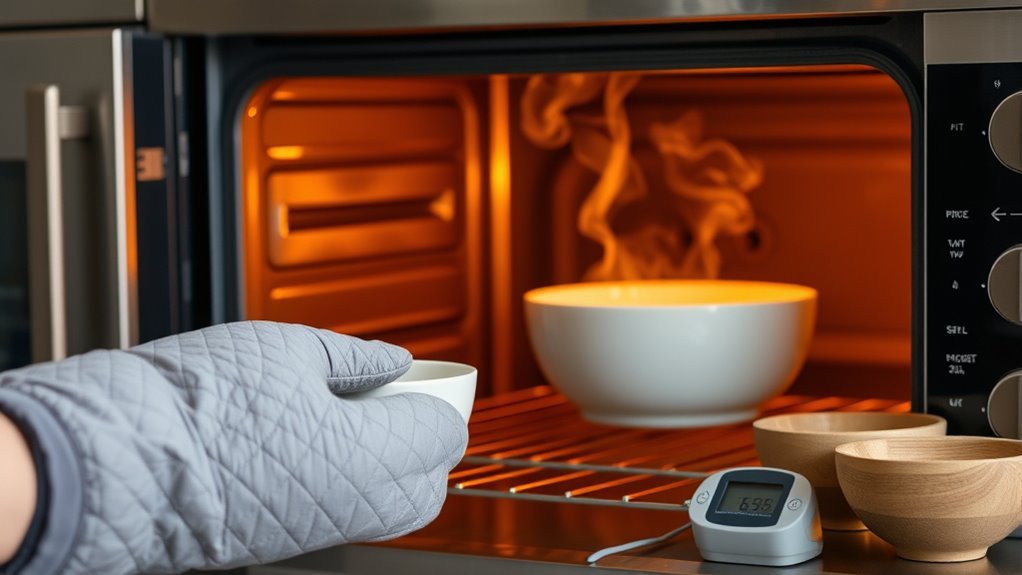
Can you put any bowl in the oven? No. An oven-safe bowl must be designed to withstand oven heat without cracking, melting, or releasing unsafe substances. Some ceramic, stoneware, glass, and metal bowls are suitable, but the material alone does not guarantee safety. Before baking or reheating food, you need to check the manufacturer’s temperature rating and inspect the bowl for damage.
Quick Answer
A bowl can go in the oven if its manufacturer specifically approves oven use. Oven-rated ceramic, stoneware, glass, stainless steel, and silicone bowls may be suitable within their stated temperature limits. Never assume a microwave-safe bowl is also oven-safe. Avoid damaged cookware, decorative dishes, ordinary glass, and plastic or melamine bowls.
What Makes a Bowl Oven-Safe?
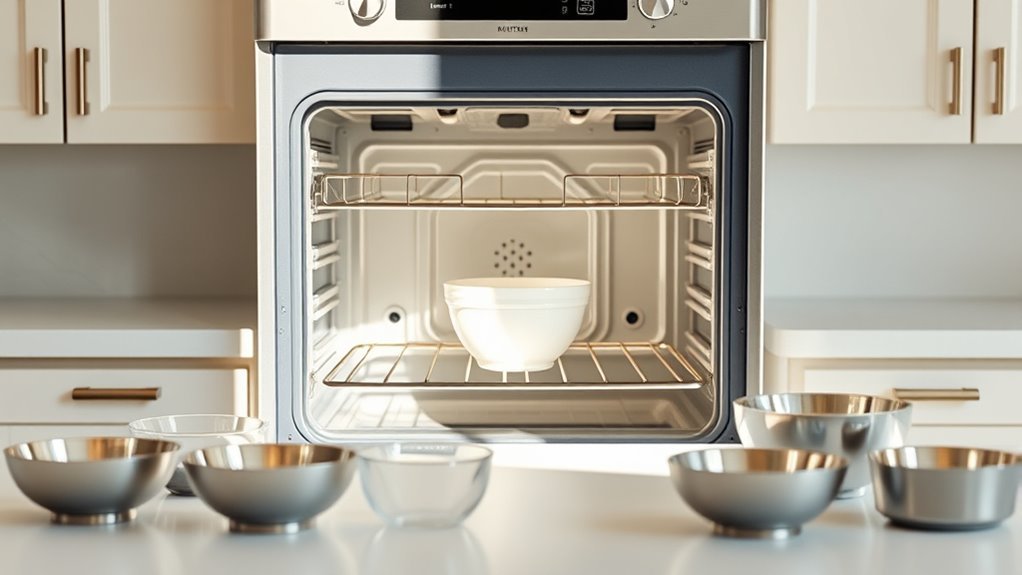
An oven-safe bowl is designed to tolerate the dry heat of an oven within the manufacturer’s stated limits. Its material, thickness, construction, and finish all affect how it responds to heat. A bowl that works well for serving hot soup may still be unsuitable for baking.
The most reliable sign is an oven-safe marking or manufacturer-approved temperature rating. Look underneath the bowl, on its original packaging, or in its product instructions.
Before using any bowl in the oven, consider these factors:
- Material: Ceramic, stoneware, porcelain, glass, stainless steel, and silicone have different heat tolerances.
- Temperature rating: The bowl must support the temperature required by your recipe.
- Surface condition: Cracks, chips, and deep scratches can weaken cookware.
- Decorations: Glued ornaments, plastic parts, and decorative paints may not tolerate oven heat.
- Heating method: A bowl approved for ordinary baking may not be safe under a broiler.
A microwave-safe symbol does not confirm conventional oven safety. Microwave ovens and conventional ovens heat food differently, so manufacturers evaluate products for different uses.
Likewise, a bowl that is dishwasher-safe or freezer-safe is not automatically oven-safe. Each marking describes a separate capability.
Warning: Never test an unidentified bowl by placing it in a hot oven. Glass and ceramics can break suddenly, causing burns, sharp fragments, and spilled hot food. Use a clearly rated baking dish when the bowl’s oven safety cannot be confirmed.
How to Check If a Bowl Is Oven-Safe
To determine whether your bowl can go in the oven, start with its markings and manufacturer’s instructions. Then inspect the material, temperature limit, and physical condition. These simple checks can prevent damage before you begin cooking.
- Turn the bowl over. Look for an oven-safe label, oven symbol, model number, or manufacturer’s name on the bottom.
- Read the product instructions. Confirm that the specific bowl is approved for conventional oven use. A microwave symbol alone is insufficient.
- Check the maximum temperature. Make sure your recipe’s oven setting does not exceed the manufacturer’s rating.
- Inspect the entire bowl. Look for chips, hairline cracks, crazing, or severe scratches. Crazing means fine cracks in the glazed surface.
- Check attached parts. Make sure handles, lids, glued decorations, and other components can tolerate oven heat.
- Confirm the heating method. Check whether the instructions allow baking, broiling, or reheating, as these uses may have different restrictions.
If you cannot identify the manufacturer or find an oven-safe rating, use another dish. This is especially important for homemade pottery, antique bowls, and unmarked glassware.
You should also avoid bowls with unknown decorative coatings. An attractive glaze does not prove that a bowl is suitable for cooking or food contact.
What Temperatures Can Common Bowl Materials Handle?
There is no universal safe oven temperature for every ceramic, glass, or metal bowl. Different manufacturers set different limits, even for products made from similar materials. The following examples show why checking the individual product matters.
For comparison, one manufacturer’s dinnerware instructions specify 350°F (176°C), another manufacturer’s glass bakeware instructions specify 425°F (218°C), and certain oven-rated stoneware products allow 500°F (260°C). These figures apply to the products described by those manufacturers, not to every bowl of that material.
| Bowl Material | Oven Temperature Guidance | Important Precautions |
|---|---|---|
| Ceramic and stoneware | Some oven-rated products allow 500°F (260°C). | Check the individual rating and avoid sudden temperature changes. |
| Porcelain and ceramic dinnerware | Some approved dinnerware is limited to 350°F (176°C). | Serving bowls are not automatically rated for baking. |
| Oven-safe glass | Some glass bakeware is rated to 425°F (218°C); other products differ. | Follow heating instructions and avoid thermal shock. |
| Stainless steel and other metal bowls | Depends on the metal, finish, and attached components. | Check for plastic handles, coatings, or other heat-sensitive parts. |
| Silicone | Only use at the manufacturer’s approved temperature. | Not every silicone bowl or mold is oven-safe. |
| Ordinary glass | Not suitable unless specifically rated for oven use. | Unrated glass may crack or shatter. |
| Plastic and melamine | Do not use ordinary plastic or melamine tableware in an oven. | Heat can deform materials or create food-safety concerns. |
High firing temperatures during pottery manufacturing do not establish the finished bowl’s oven rating. A stoneware bowl may survive extremely hot kiln conditions during production but still require specific precautions during household cooking.
Similarly, oven-safe glass differs from ordinary drinking glasses and decorative serving bowls. Even an approved glass bowl can break when misused.
For silicone, the manufacturer’s bakeware guidance explains that not every silicone mold is suitable for oven use. Some silicone products are intended for cold preparations or other specialized tasks.
How to Prevent Thermal Shock When Using Oven-Safe Bowls
Thermal shock occurs when a sudden temperature change creates stress inside a material. Glass and ceramic bowls may crack or shatter if different areas heat or cool too quickly. Proper heating and cooling help reduce that risk.
Follow the Correct Heating Instructions
Start with a bowl approved for your cooking method and follow its manufacturer’s instructions. Different types of glass and ceramic cookware may require different heating procedures.
For example, Pyrex’s US glassware safety instructions require a fully preheated oven before inserting its approved glassware. This helps avoid exposure to intense, uneven heat during the preheating cycle.
Some oven-rated stoneware has different instructions, including specific cold-oven procedures. Follow those directions only when the manufacturer expressly allows them.
Do not assume every bowl should be placed in a cold oven or that every bowl is safe to put directly into a hot oven.
Avoid Unsafe Cold-to-Hot Transfers
Moving a frozen bowl directly into a hot oven can create a sudden temperature difference that damages ordinary glass or ceramic cookware.
For the safest approach, avoid freezer-to-oven transfers unless the manufacturer specifically approves them. Follow the product’s separate instructions for refrigerated cookware as well.
Keep these additional precautions in mind:
- Do not pour cold water into a hot glass or ceramic bowl.
- Never place an unapproved frozen bowl directly into a preheated oven.
- Do not move a hot bowl into a cold refrigerator or freezer.
- Keep oven-safe glass away from direct flames and heating elements.
These precautions help prevent cracking, especially when a bowl contains hot food or liquid that could spill if the container breaks.
Cool Your Bowl Safely After Baking
After removing an oven-safe bowl, place it on a dry, heat-resistant trivet, cooling rack, or suitable wooden board. Avoid wet countertops, cold metal surfaces, and sinks containing water.
Always use dry oven mitts or potholders. A bowl’s handles and sides can remain extremely hot after cooking.
Allow the bowl to cool before washing it. Never plunge a hot glass or ceramic dish into cold water to speed up cleaning.
Once the bowl has cooled, use a soft sponge and the cleaning method recommended by its manufacturer. This also helps protect glazed surfaces against scratches.
Can You Bake, Broil, or Reheat Food in a Bowl?
You can bake or reheat food in a bowl when its manufacturer approves that use and the oven setting stays within its rated temperature. Broiling requires separate approval because the heating element can expose cookware to much more intense, concentrated heat.
Baking in an Oven-Safe Bowl
Oven-rated ceramic, stoneware, and glass bowls can work for dishes such as baked desserts, casseroles, and individual servings.
Choose a bowl that fits comfortably on the oven rack. Leave enough space around it for airflow and keep it away from the oven walls and heating elements.
For foods that release liquids during baking, follow the manufacturer’s instructions about adding liquid to glass bakeware before heating.
Broiling Food in a Bowl
Do not use a bowl under the broiler unless its manufacturer explicitly approves broiler use.
A bowl rated for ordinary oven baking may still be damaged by direct radiant heat from a broiler.
Many glass baking dishes are not broiler-safe. Some specialized stoneware products permit broiling when you maintain the manufacturer’s required distance from the heating element.
Use a properly rated broiler pan or another approved baking vessel whenever the bowl’s instructions do not clearly permit broiling.
Reheating Leftovers
Reheating food in an oven-safe bowl is convenient, provided the bowl can handle the selected temperature and heating method.
Remove any plastic storage lid before using a conventional oven unless that lid is specifically rated for oven heat.
Never confuse microwave-safe plastic with oven-safe bakeware. The FDA advises against heating food on melamine-based dinnerware in microwave ovens because heat can increase chemical migration under certain conditions.
Ordinary melamine bowls are also unsuitable for conventional oven baking.
What to Use If Your Bowl Isn’t Oven-Safe
If your bowl is not approved for oven use, replace it with a purpose-made baking dish rather than taking a risk. Suitable alternatives include oven-rated glassware, ceramic baking dishes, stoneware, metal baking pans, and cast iron cookware.
Choose the alternative based on your recipe:
- Oven-safe glass: Useful for casseroles, baked desserts, and reheating food within its approved conditions.
- Stoneware: Suitable for baked dishes and individual portions when the product is oven-rated.
- Metal baking pans: Practical for cakes, brownies, and foods that benefit from efficient heat transfer.
- Cast iron: Useful for recipes that require strong heat retention or move between the stovetop and oven.
- Oven-safe silicone: Useful for certain baking tasks when the product’s temperature rating allows them.
A baking pan does not need to look like a serving bowl to work for your recipe. A properly rated casserole dish or cake pan is often the better choice.
When Should You Replace a Bowl?
Stop using a bowl for oven cooking if it develops visible cracks, chips that weaken the structure, or severe scratches. Damage can increase the chance of breakage during heating.
Be especially careful with cracked glassware. Do not attempt to repair it with glue or continue using it for hot food preparation.
For ceramic bowls, check whether the glaze has become damaged or heavily worn. Decorative and antique pottery may also present food-contact concerns unrelated to temperature.
The FDA warns that some traditional pottery glazes can release lead into food. Unidentified, antique, or decorative pottery should not be used for cooking unless its safety can be established.
If a treasured bowl has sentimental value but lacks an oven-safe rating, reserve it for appropriate serving or display purposes instead.
Frequently Asked Questions
How Do I Know if My Bowl Is Oven Safe?
Check the bowl’s base, packaging, or manufacturer’s instructions for an oven-safe rating and maximum temperature. Do not rely on its appearance or a microwave-safe label. Inspect the bowl for cracks and chips. If you cannot confirm oven compatibility, use a properly rated baking dish instead.
Which Bowls Can Go in the Oven?
Oven-rated ceramic, stoneware, porcelain, glass, metal, and silicone bowls can go in the oven when used within their approved temperature limits. Ordinary serving bowls are not automatically safe. Avoid plastic, melamine, unidentified glass, and bowls with heat-sensitive decorations or damaged surfaces.
Can Ceramic Go in the Oven at 400 Degrees?
Yes, a ceramic bowl can go in the oven at 400°F (204°C) if its manufacturer approves that temperature. Some ceramic bakeware supports higher temperatures, while other dinnerware has lower limits. Check the product instructions and avoid using chipped, cracked, or unidentified ceramic bowls.
Can I Put a Ceramic Bowl in the Oven?
Yes, you can put a ceramic bowl in the oven when it is specifically rated for oven use. Check its maximum temperature and heating instructions first. Avoid sudden temperature changes and never use a bowl with visible cracks. When the rating is unknown, choose an oven-safe baking dish.
Conclusion
Not every bowl belongs in the oven. The safest approach is to use an oven-safe bowl with a confirmed temperature rating, inspect it for damage, and follow its heating instructions. Ceramic, stoneware, glass, metal, and silicone can all be suitable when specifically approved. To prevent thermal shock, avoid unsafe temperature changes and let hot dishes cool on a dry, heat-resistant surface. If you cannot verify a bowl’s safety, choose a purpose-made baking dish.
Sources
- Corelle Product Warranties, Safety and Usage: Supports the 350°F oven-use guidance for specified dinnerware.
- Anchor Hocking Care & Use: Supports the 425°F glass bakeware limit and precautions against thermal shock.
- Le Creuset Stoneware Care & Use: Supports the 500°F oven limit for its stoneware and product-specific heating procedures.
- Wilton Cake Bakeware 101: Explains why silicone products require individual oven-use verification.
- Pyrex Product Warranties, Safety and Usage: Supports preheated-oven instructions, glassware handling precautions, and damage warnings.
- FDA: Melamine in Tableware Questions and Answers: Explains the food-safety concerns associated with heating melamine tableware.
- FDA: Questions and Answers on Lead-Glazed Traditional Pottery: Supports precautions for unidentified, antique, and decorative ceramics.
