

Cooking with cast iron is like wielding a trusty sword in the kitchen—it’s a tool that can transform your culinary adventures. You might wonder how to master this versatile cookware and access its full potential. From preheating techniques to avoiding common pitfalls, there’s a wealth of knowledge waiting for you. Let’s explore the essentials that will elevate your cooking game and guarantee your skillet lasts a lifetime.
Understanding Cast Iron Cookware Basics
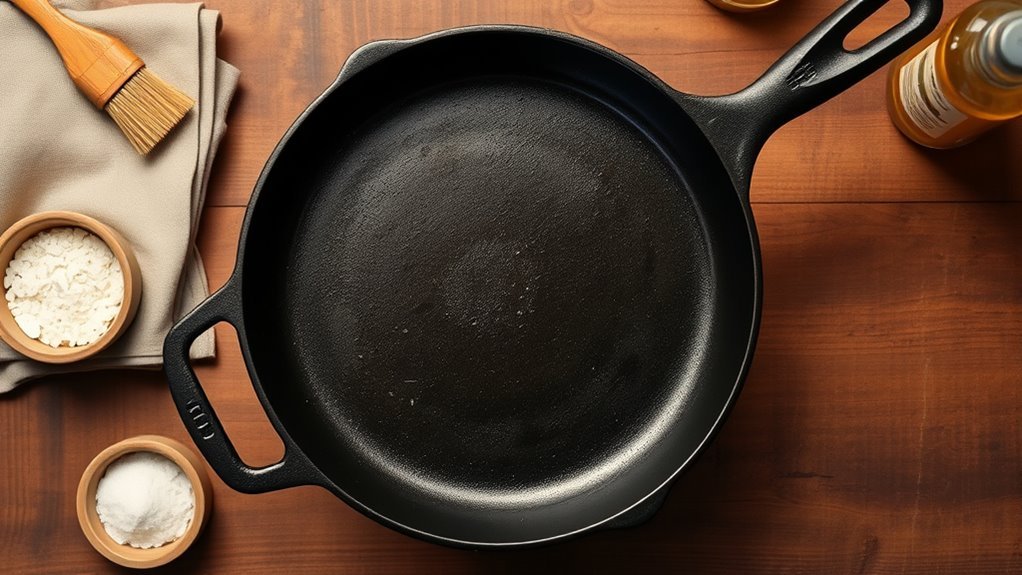
Understanding cast iron cookware basics is essential for anyone looking to elevate their cooking game. Cast iron pans are renowned for their ability to heat evenly, ensuring your meals are cooked to perfection.
The key to revealing their potential lies in seasoning—applying oil and heating the pan fills its microscopic pores, creating a natural non-stick surface that makes cooking and cleanup a breeze.
With proper cleaning and maintenance, your skillet can last a lifetime, enhancing its cooking performance. These versatile cooking methods allow you to fry, bake, or roast, making your cast iron a go-to for all meals.
Whether you’re whipping up a hearty breakfast or a savory dinner, mastering these basics will set you free in the kitchen. Embrace the art of cast iron, and you’ll soon discover the joy of cooking with this timeless cookware.
Why You Should Always Preheat Your Skillet?
Preheating your cast iron skillet is essential for achieving that perfect sear and even cooking.
By letting it warm up for 3-5 minutes, you guarantee uniform heat distribution, which prevents sticking and encourages delicious browning.
Plus, knowing the right temperature can elevate your dishes to a whole new level of flavor and texture.
Benefits of Preheating
Before you even think about adding food to your cast iron skillet, taking a few minutes to preheat it can make a world of difference. Here’s why preheating is essential for your cooking experience:
- Ensures even heat: A hot surface promotes consistent cooking.
- Prevents food sticking: A properly heated skillet helps food release easily.
- Enhances browning: Get that perfect golden crust that boosts flavor.
- Reduces hot spots: Avoid uneven cooking with a well-preheated pan.
- Promotes high heat cooking: Ideal for searing and achieving the best textures.
Preheating Techniques Explained
When you take the time to preheat your cast iron skillet properly, you set the stage for culinary success. Start by heating it over medium heat for 3-5 minutes. This guarantees even cooking and prevents food from sticking.
Using an infrared thermometer, aim for around 500°F for high-heat tasks or 400°F for gentler cooking. Add oil only after your skillet is fully preheated; this helps avoid smoking and promotes better polymerization.
If you’re using a small burner, rotate the skillet to distribute heat evenly. Rushing this process can lead to hot spots and ruin your meal.
Embrace the art of preheating, and you’ll elevate your cooking to new heights!
Step-by-Step Preheating Techniques for Success
To master cooking with cast iron, proper preheating is key.
Start by warming your empty skillet over medium heat for 3-5 minutes, ensuring even cooking and preventing sticking.
Keep an eye on the temperature, and avoid common mistakes like adding oil too soon or heating too quickly for the best results.
Proper Temperature Management
Achieving the perfect temperature with your cast iron skillet can transform your cooking experience and elevate your dishes. Here’s how to master proper temperature management:
- Preheat your skillet empty over medium heat for 3-5 minutes to guarantee even heating.
- Use an infrared thermometer to check the surface temperature, aiming for about 500°F for high-heat cooking.
- Add oil only after preheating to prevent smoking and promote even polymerization of the seasoning.
- Avoid rapid heating to reduce hot spots; consider rotating the pan during preheating for better heat distribution.
- Try the oven method by placing your skillet upside down at 200–220°C (400–425°F) for an hour for a perfectly preheated surface.
With these techniques, your cooking will shine!
Avoid Common Mistakes
Mastering proper temperature management sets the stage for successful cooking, but avoiding common mistakes during preheating is just as essential. Start by preheating your cast iron pan empty over medium heat for 3-5 minutes. Use an infrared thermometer to check temperatures—aim for 500°F for high-heat cooking and 400°F for gentler tasks. Avoid adding a layer of oil too early; wait until the skillet is fully preheated to prevent smoking. Rotate the pan if you’re using a small burner to guarantee even heat distribution. Rushing this step leads to uneven cooking, so give your pan the time it needs.
| Common Mistakes | Solutions |
|---|---|
| Adding oil too early | Wait for full preheat |
| Not checking temperature | Use an infrared thermometer |
| Rushing the process | Allow sufficient time |
Proven Cooking Techniques for Cast Iron
Release the full potential of your cast iron skillet with proven cooking techniques that elevate your culinary skills. Mastering these methods won’t only enhance your dishes but also deepen your connection with this timeless cookware.
- Preheat your skillet for 3-5 minutes over medium heat for even cooking and to prevent sticking.
- Use cast iron with a small amount of oil initially, as freshly seasoned pans need lubrication to maintain that non-stick surface.
- Avoid sudden temperature changes; never expose a hot skillet to cold water to prevent cracks.
- For high-heat cooking, aim for around 500°F for a perfect sear, while gentler tasks can be done at 400°F.
- Regularly maintain your skillet by applying a thin layer of oil after each use to keep the seasoning intact and prevent rust.
Embrace these techniques, and watch your culinary creations flourish!
Top Mistakes to Avoid With Cast Iron Cookware
Cooking with cast iron can transform your dishes, but it’s easy to slip up and hinder your efforts. One common mistake is preheating your cast iron cookware too quickly; this can create uneven heating and hot spots, ruining your meal.
Always verify the skillet is fully preheated before adding oil, as premature oiling can lead to smoking and uneven seasoning polymerization.
Ensure your skillet is fully preheated before adding oil to prevent smoking and maintain even seasoning.
Avoid soaking your skillet or leaving food crusted inside—this promotes rust and damages your precious seasoning.
When it comes to cleaning, use mild soap sparingly; frequent use can strip away that essential seasoning layer.
Finally, resist the temptation to cook acidic foods in newly seasoned pans, as they can break down the seasoning and impact the non-stick properties.
Caring for Your Cast Iron Skillet
Caring for your cast iron skillet is essential to ensuring its longevity and performance in the kitchen. By following a few simple steps, you can keep your skillet in prime condition for years to come.
- Always hand wash your skillet right after use with warm water and a gentle scrub.
- Dry it thoroughly with a lint-free cloth or place it on low heat to evaporate moisture, which helps prevent rust.
- After cleaning, apply a thin layer of cooking oil to maintain seasoning and protect against moisture.
- Store your skillet in a dry place; consider using paper towels between stacked pans to absorb moisture and prevent scratching.
- Avoid using soap regularly; if needed, choose mild soap and rinse thoroughly to preserve seasoning.
Frequently Asked Questions
What Are the Basic Steps for Cooking With Cast Iron?
To cook with cast iron, start by preheating your skillet for even heat management.
Add a bit of oil to boost its non-stick properties. Choose compatible foods like meats and veggies for cooking versatility.
Maintain your skillet by cleaning thoroughly after use, drying it completely, and applying a thin layer of oil—these maintenance tips keep your seasoning intact.
Avoid sudden temperature changes to protect your pan from damage and guarantee delicious results!
How to Prepare Cast Iron for First Time Use?
To prepare your cast iron for its grand debut, start with a gentle wash using warm water and mild soap, bidding farewell to any factory residue.
Dry it thoroughly to guarantee rust stays away—this is key to its longevity.
Next, apply a thin layer of oil for seasoning, then bake it upside down in a preheated oven.
This process enhances heat retention, assuring your meals are both delightful and liberating.
Enjoy the cooking benefits!
Do You Oil a Cast Iron Before Cooking?
Yes, you do oil a cast iron skillet before cooking. After preheating, apply a thin layer of vegetable or flaxseed oil to enhance its non-stick properties.
This technique helps with even cooking temperatures, especially for delicate foods. Remember, using too much oil can lead to sticky residue—a common mistake!
For ideal maintenance, season regularly and consider oil types that complement your food pairings for a liberating culinary experience.
Enjoy your cooking!
Do You Wash a Cast-Iron Skillet After Each Use?
You don’t need to wash a cast-iron skillet after each use. Surprisingly, many chefs maintain that proper cleaning techniques enhance the skillet’s longevity.
A simple wipe with a cloth suffices for most meals, while stubborn residues can be tackled with warm water and a non-abrasive sponge.
Remember to dry it thoroughly and apply a thin layer of oil for effective seasoning methods.
This routine not only prevents rust but also keeps your skillet ready for any dish!
Conclusion
So, you’ve mastered the art of cooking with cast iron, yet you still might think you can skip the preheating or oiling. Ironically, that’s like trying to ride a bike without wheels—it’s just not going to work! Embrace the process, and your skillet will reward you with delicious meals and a lifetime of memories. After all, who wouldn’t want their favorite dishes to taste like they were crafted by a seasoned chef? Happy cooking!