
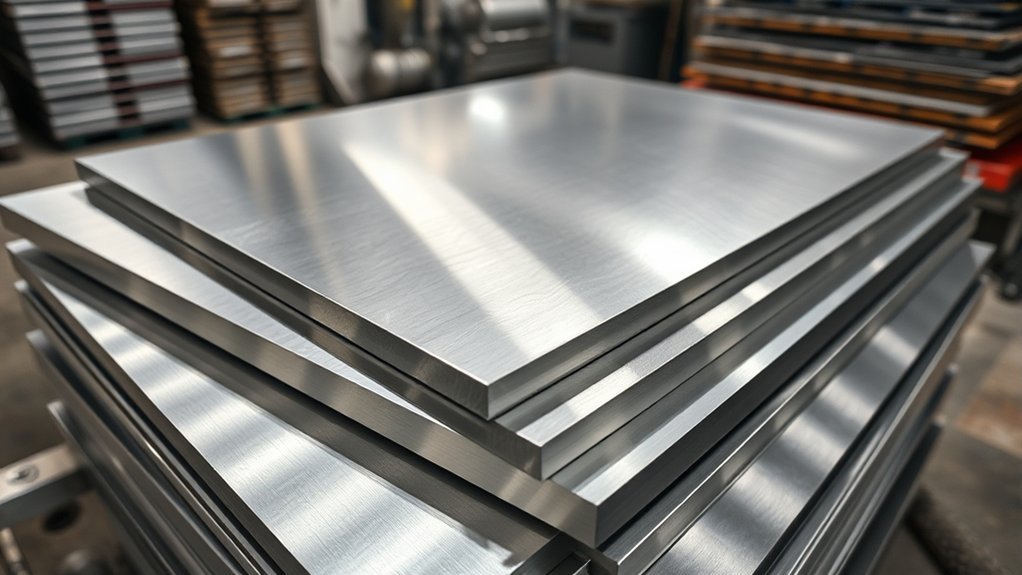
Clad stainless steel cookware combines durable stainless steel with one or more heat-conductive metal layers, usually aluminum and sometimes copper. The bonded core helps spread heat more evenly than a thin, single-material stainless pan, while the stainless cooking surface provides corrosion resistance, durability, and a versatile surface for searing, sautéing, simmering, and sauce work.
Quick Answer
Clad stainless steel cookware bonds stainless steel to one or more heat-conductive layers, usually aluminum and sometimes copper. The conductive core spreads heat more evenly, while the stainless cooking surface adds durability and corrosion resistance. “Fully clad” means the bonded layers continue from the base up the sidewalls.
What Does Clad Stainless Steel Mean?
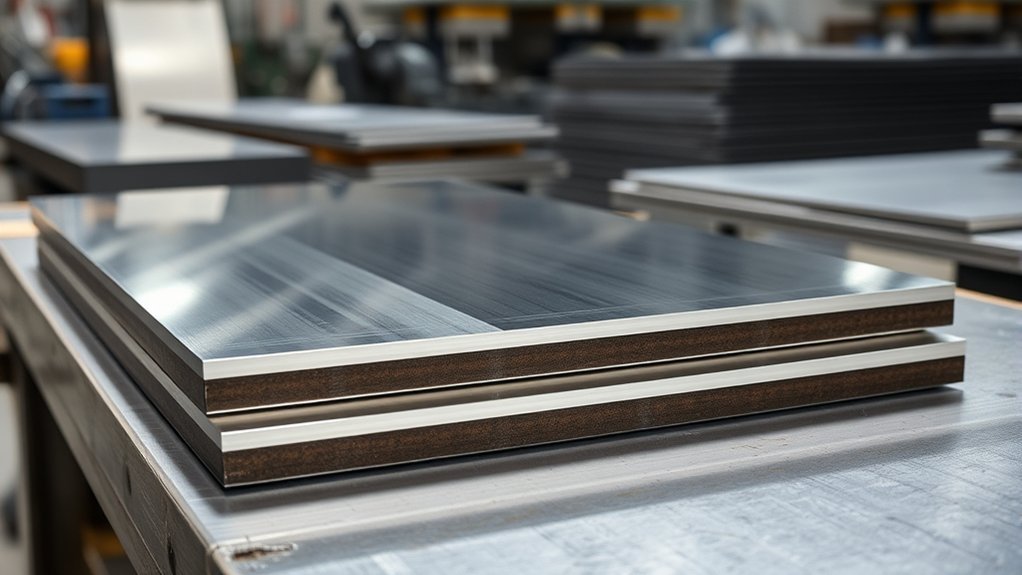
Clad stainless steel refers to cookware made by bonding multiple metal layers together. Stainless steel normally forms the food-contact surface, while a more conductive metal such as aluminum or copper helps move heat across the pan.
This construction solves one of the main limitations of stainless steel used by itself: stainless steel is durable and corrosion-resistant, but it does not spread heat as efficiently as aluminum or copper. Combining the materials allows cookware manufacturers to use each metal for the job it does best.
Cladding combines a durable stainless cooking surface with a more conductive internal metal so the pan can heat more evenly without giving up the practical advantages of stainless steel.
In fully clad cookware, the bonded construction extends from the base through the sidewalls and usually to the rim. Other stainless cookware may use a multilayer or bonded disc only across the bottom. Both designs can work well, but they distribute heat differently.
Key Takeaways
- Clad cookware uses bonded metal layers rather than relying on stainless steel alone.
- Fully clad means the conductive layers extend up the sidewalls, not just across the base.
- 3-ply and 5-ply describe layer count, but more layers do not automatically mean a better pan.
- Induction compatibility depends on magnetic material in the base or exterior, not simply on whether cookware is clad.
- Stainless steel is durable and corrosion-resistant, but it can still stick, discolor, pit, and release small amounts of nickel or chromium under some conditions.
How Clad Stainless Steel Is Built
Clad cookware is produced by bonding sheets of different metals into a single composite structure. The exact process and layer arrangement vary by manufacturer, but stainless steel, aluminum, and copper are common materials.
A typical 3-ply pan uses a stainless steel cooking surface, an aluminum core, and an exterior stainless layer. All-Clad, for example, describes its D3 construction as an 18/10 stainless interior, aluminum core, and stainless exterior.
A 5-ply design contains five bonded layers. Those layers do not have to be identical from one brand to another. Some designs alternate stainless and aluminum, while other cookware uses different combinations or core materials.
- Stainless steel cooking surface: supplies corrosion resistance, durability, and a surface suitable for browning and deglazing.
- Aluminum core: spreads heat more efficiently through the pan.
- Copper core: can provide fast thermal response in cookware designed around copper.
- Exterior stainless layer: protects the core and may provide induction compatibility when the exterior alloy is sufficiently magnetic.
The important point is that ply count alone does not determine cookware quality. Core thickness, total pan thickness, the metals used, pan geometry, handle design, manufacturing quality, and the cooking task all affect performance.
How Clad Stainless Steel Improves Heat Control
The main performance advantage of clad stainless cookware is improved heat distribution. The internal aluminum or copper spreads burner heat away from the hottest point, reducing severe temperature differences across the cooking surface.
That matters when searing meat, browning vegetables, preparing sauces, or cooking foods that can scorch in isolated hot spots. A well-designed clad pan can also respond more predictably when burner output changes.
Heat retention and responsiveness are not the same thing. A heavier pan with more metal may change temperature more slowly but hold heat more steadily, while a lighter construction may react faster to burner adjustments. The best balance depends on what and how you cook.
The stainless steel interior also handles browning and deglazing well. Food can form flavorful browned residue, or fond, on the surface and that fond can be dissolved with stock, wine, water, or another cooking liquid to make a pan sauce.
Fully Clad vs. Base-Clad or Disc-Bottom Cookware
The terms used by cookware brands are not always perfectly consistent, so it is better to look at where the conductive layers actually extend.
Fully clad cookware carries its bonded metal structure from the base into the sidewalls. This can provide more even heating around the entire vessel, particularly in fry pans, sauté pans, sauciers, and other shapes where food contacts the sides.
Base-clad, tri-ply-base, or disc-bottom cookware concentrates the conductive metal in a bonded plate across the bottom. The sidewalls may be primarily stainless steel. This construction can work very well for stockpots and other vessels where heat enters mainly through the bottom, and it is often less expensive to manufacture.
- Choose fully clad construction when edge-to-edge heating and responsive sidewalls matter.
- Consider a bonded-base design when cost is more important and most cooking happens over the bottom surface.
- Compare actual thickness, weight, balance, and construction rather than relying only on marketing terms.
3-Ply vs. 5-Ply Clad Stainless Steel
3-ply and 5-ply identify the number of bonded layers, but the larger number is not automatically better.
A well-designed 3-ply pan can heat quickly, distribute heat evenly, and weigh less than a heavier multilayer design. A 5-ply pan may use additional metal to alter heat distribution, thermal stability, stiffness, or durability, but the result depends on the thickness and composition of those layers.
| Feature | 3-Ply | 5-Ply |
| Typical construction | Three bonded layers | Five bonded layers |
| Weight | Often lighter | Often heavier, depending on construction |
| Heat response | Can be fast and responsive | Varies with materials and thickness |
| Best buying approach | Judge the actual pan, not merely the layer count | Judge the actual pan, not merely the layer count |
Does Clad Stainless Steel Work on Induction?
Some clad stainless steel cookware works on induction, but cladding alone does not make a pan induction-compatible. An induction cooktop needs cookware with a sufficiently ferromagnetic layer in the base.
Many modern fully clad pans use a magnetic stainless exterior specifically so they can work on induction. Other stainless alloys are not magnetic enough for induction cooking.
Note: A simple compatibility check is to place a magnet against the bottom of the pan. If it sticks firmly, the pan is usually suitable for induction. Also check the cookware manufacturer’s stated compatibility because construction can vary.
How to Cook With Clad Stainless Steel
Clad stainless steel is not naturally nonstick, so technique matters. Most sticking problems can be reduced by controlling heat and allowing food to release naturally.
- Preheat over low to medium heat. Stainless cookware rarely needs maximum burner power for ordinary frying or sautéing.
- Add cooking fat after preheating. Use enough oil or fat to lightly coat the cooking surface.
- Dry the food. Excess surface moisture interferes with browning and increases splatter.
- Add food once the oil is hot. The food should produce a steady sizzle rather than an aggressive crackle.
- Do not force the food loose too early. Meat and other proteins often release more easily once a browned crust forms.
- Adjust the burner as needed. Good clad cookware transfers heat efficiently, so high heat is often unnecessary.
Pro Tip: If food repeatedly burns before it releases, reduce the heat rather than adding more oil. Stainless cookware rewards controlled preheating more than maximum burner output.
Advantages of Clad Stainless Steel
- More even heating: conductive core materials spread heat better than thin stainless steel alone.
- Excellent browning: the uncoated stainless surface is well suited to searing and developing fond.
- Durability: quality stainless cookware can withstand years of regular use.
- Versatility: suitable for searing, sautéing, simmering, boiling, braising, and oven cooking when the specific product is oven-safe.
- Acid-friendly surface: stainless steel is highly corrosion-resistant and generally suitable for tomato, wine, citrus, and other acidic ingredients.
- No conventional nonstick coating: there is no PTFE-style cooking coating to wear away on standard uncoated clad stainless cookware.
Disadvantages of Clad Stainless Steel
Clad stainless steel also has trade-offs, and they matter when deciding whether it fits your cooking style.
- Food can stick: eggs, fish, and other delicate foods require more technique than they do in a nonstick pan.
- Quality cookware can be expensive: fully clad construction generally costs more than basic stainless or aluminum cookware.
- Weight can be substantial: larger multilayer pans may feel heavy when full.
- Discoloration can occur: excessive heat may leave brown, blue, or rainbow staining even when the pan remains usable.
- Pitting is possible: salt sitting against a stainless surface can contribute to small pits.
- Not every stainless pan works on induction: the exterior or base must contain suitable magnetic material.
- Nickel sensitivity may matter: many common stainless grades contain nickel.
Is Clad Stainless Steel Safe?
For most people, quality stainless steel cookware is considered suitable for normal food preparation. However, it is more accurate to call stainless steel corrosion-resistant and relatively non-reactive rather than completely inert.
Research has measured small amounts of nickel and chromium migrating from stainless steel into food. Release can increase with acidic foods, longer cooking times, and new cookware, and it generally decreases with repeated use. A 2017 study of 18/10 stainless pots concluded that the quantities released under its common cooking conditions were below known allergy-triggering thresholds for most nickel- or chromium-allergic subjects, while noting that highly sensitive individuals may have lower personal thresholds.
Warning: People with a diagnosed severe nickel sensitivity or systemic nickel allergy should consider their individual medical guidance when choosing stainless cookware, particularly for prolonged cooking of acidic foods.
How to Clean and Care for Clad Stainless Steel
Good care protects both the appearance and flatness of clad cookware.
- Allow a hot pan to cool before washing it.
- Avoid plunging very hot cookware into cold water because sudden thermal shock can contribute to warping.
- Use warm water, dish soap, and a sponge or non-scratching pad for routine cleaning.
- For cloudy mineral deposits or rainbow discoloration, diluted vinegar can help remove residue.
- Avoid harsh oven cleaner, chlorine bleach, and aggressive steel-wool scrubbing unless the cookware manufacturer specifically permits them.
- Add salt after water is hot or food has begun cooking rather than leaving concentrated salt sitting against the stainless surface.
- Follow the manufacturer’s stated oven-temperature and dishwasher limits for the exact product.
Who Should Buy Clad Stainless Steel?
Clad stainless steel is especially useful for cooks who want one durable cookware material that can handle a wide range of tasks.
It is a strong fit for people who regularly sear meat, sauté vegetables, make pan sauces, simmer acidic dishes, braise, or move cookware between the stovetop and oven. Fully clad construction can be especially useful in fry pans, sauté pans, and sauciers where heat reaching the sidewalls improves cooking consistency.
It may be less appealing to someone whose priority is effortless egg cooking, the lowest possible weight, or the lowest purchase price. In those cases, a separate nonstick, carbon-steel, cast-iron, or lighter aluminum pan may complement or replace stainless steel for particular jobs.
What to Look for When Buying Clad Stainless Steel
- Construction: determine whether the pan is fully clad or uses a bonded base.
- Core material: aluminum is common; some premium lines use copper or other conductive materials.
- Useful thickness: avoid judging performance from layer count alone.
- Weight and balance: make sure you can comfortably lift and tilt the pan when loaded.
- Handle design: check grip comfort, attachment method, helper handles, and oven limitations.
- Induction compatibility: confirm manufacturer specifications if you use an induction cooktop.
- Oven rating: verify the temperature limit for both cookware and lids.
- Warranty and support: quality bonded cookware is a long-term purchase, so manufacturer support can matter.
- Pieces you will actually use: a good skillet, saucepan, sauté pan, and stockpot are often more useful than a large set containing several redundant sizes.
Frequently Asked Questions
What Is the Difference Between Stainless Steel and Stainless Clad?
A single-material stainless pan relies mainly on stainless steel throughout the cooking body, while clad cookware bonds stainless steel to one or more conductive metals such as aluminum or copper. The conductive layer improves heat distribution while stainless steel provides durability and corrosion resistance.
Is Clad Stainless Steel Safe?
Clad stainless steel is generally suitable for normal cooking. Stainless surfaces can release small amounts of nickel and chromium, especially with acidic food, long cooking times, and new cookware. Research indicates low risk for most users under typical conditions, although people with severe nickel sensitivity may need additional caution.
What Are the Disadvantages of Stainless Steel?
Stainless steel can stick if heat and oil are not managed correctly. Quality clad cookware can also be expensive and heavy, while overheating may cause discoloration. Salt can contribute to surface pitting, and stainless cookware containing nickel may not suit every highly nickel-sensitive user.
What Grade of Stainless Steel Is All-Clad?
All-Clad states that the stainless cooking surface used in its bonded cookware is a proprietary 18/10 formulation of 304-series stainless steel. Construction outside the food-contact layer varies by cookware line, so the specification should not be interpreted as meaning every metal layer in every All-Clad product is identical.
Is 5-Ply Stainless Steel Better Than 3-Ply?
Not automatically. Ply count only tells you how many bonded layers are present. A high-quality 3-ply pan can outperform a poorly designed 5-ply pan. Core thickness, metals, total thickness, weight, shape, and manufacturing quality are more useful buying factors than the number of layers alone.
Does Clad Stainless Steel Work on Induction?
It works on induction only when the cookware includes a suitable ferromagnetic exterior or base. Many modern clad pans are induction-ready, but some stainless alloys are not sufficiently magnetic. Check the manufacturer’s specification or test the bottom with a magnet.
Conclusion
Clad stainless steel combines the durability and corrosion resistance of stainless steel with the improved heat distribution of an aluminum, copper, or other conductive core. Fully clad cookware extends those bonded layers through the sidewalls, while base-clad designs concentrate them at the bottom.
The best choice is not determined by ply count alone. Construction quality, core thickness, weight, balance, induction compatibility, and the way you cook matter more. For cooks willing to learn basic stainless-steel heat control, quality clad cookware can provide durable, versatile performance for searing, sautéing, simmering, deglazing, and everyday cooking.
Sources
- All-Clad — D3 Stainless Everyday — 3-ply construction, 18/10 stainless interior, aluminum core, and induction-compatible exterior.
- All-Clad — Care & Use — stainless-steel preheating, cooking, cleaning, discoloration, pitting, and thermal-shock guidance.
- Tramontina — Tri-Ply Stainless Steel Cookware — fully clad versus tri-ply-base construction and 18/10 stainless definitions.
- Whirlpool — Induction Compatible Cookware — ferromagnetic cookware requirements and the magnet test.
- PubMed — Stainless Steel Leaches Nickel and Chromium Into Foods During Cooking — effects of acidity, cookware age, and cooking duration on metal migration.
- PubMed — Release of Nickel and Chromium During Cooking in 18/10 Stainless Steel Pots — safety findings and nickel-sensitivity considerations under common cooking conditions.

5 thoughts on “What Is Clad Stainless Steel? Meaning, Uses & Key Facts”