
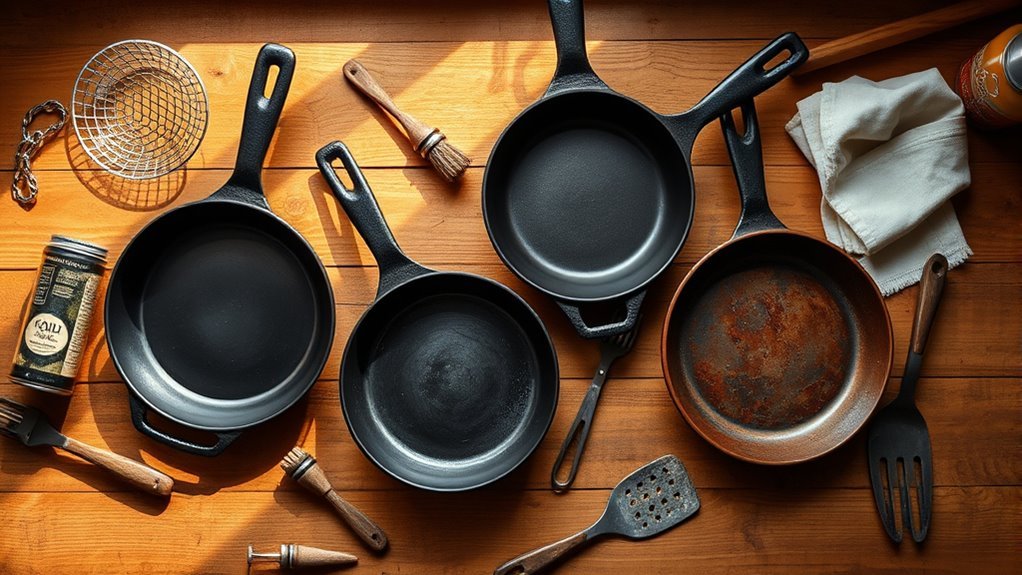
Let’s just say not every cast iron skillet is cut from the same cloth—you’ll notice real differences once you start handling them. You’ll want to know why vintage pans often feel smoother and lighter, while modern ones are thicker with a pebbly finish that holds heat better. That affects seasoning, sticking, and how you cook acidic foods, so keep going to pick the right skillet and learn a quick care routine that actually works.
Who Should Read This Guide : And How to Use It
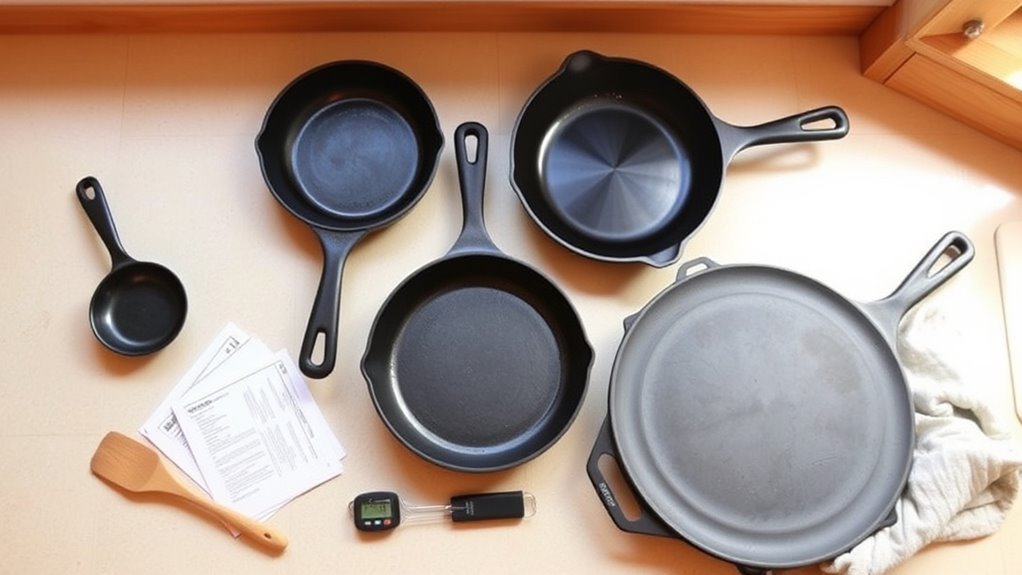
Whether you’re just switching from nonstick or you’ve been collecting vintage pans for years, this guide targets cooks who want practical, detail-oriented comparisons of cast iron—how different eras and brands perform, how to season and clean for long life, recipes that exploit cast iron’s high-heat strengths, and what makes certain vintage pieces valuable.
You’ll use this section to decide if the guide fits your needs: novice cooks learning to treat cast iron skillets gently, home cooks moving from slippery coatings to high-heat searing, and collectors tracking historical value.
You’ll get clear, step-by-step advice on how to get pans properly seasoned, how to approach routine care and maintenance, and which recipes highlight durability and heat retention.
You’ll also find checklists to evaluate a skillet’s condition, concise troubleshooting for common problems, and recommended routines that free you from disposable cookware habits so you can cook boldly and sustainably.
Vintage vs Modern Cast Iron: Manufacturing And Thickness
Because they were cast and finished differently, vintage and modern skillets behave noticeably differently at the stovetop and in the oven.
Because cast and finished differently, vintage and modern skillets perform distinctly on both stovetop and oven.
You’ll notice vintage cast iron is usually thinner and lighter because sand casting and polishing removed imperfections, yielding a smoother finish. That smoothness makes seasoning your cast iron quicker and, when done well, gives superior cooking performance and less sticking.
Modern cast iron tends to be thicker, so it holds heat longer, but mass production often leaves a pebbly texture that can slow down seasoning your cast iron and demand more work to reach a reliable nonstick surface.
Prices reflect that: vintage pieces are often sought after and pricier; modern cast iron is affordable and widely available.
- Vintage: thinner, lighter, polished surface
- Modern: thicker, heavy, textured finish
- Seasoning: easier on smoother vintage surfaces
- Heat retention: better in thicker modern pans
- Availability: vintage rare, modern common
Cast Iron Surface: How Texture Affects Seasoning & Sticking
Look at the surface before you buy or season: vintage pans usually have a smooth, satiny finish that takes and holds seasoning more easily, while modern pans often have a pebbly texture that traps food and needs more work.
That texture difference affects how quickly you can build a nonstick layer and how much oil you’ll need during cooking.
To reduce sticking on rougher pans, focus on thin, repeated oil layers, high-heat polymerization, and thorough cleaning to remove trapped bits between seasoning sessions.
Surface Texture Differences
Although both vintage and modern cast iron look similar at a glance, their surface textures change how you season and cook on them: you’ll notice vintage pans have a smoother surface that builds a reliable non-stick finish faster, while modern pans often present a pebbly texture that holds oil and food bits longer.
You can choose based on how much work you want: smooth for quicker release and less fuss, textured for rugged heat retention and durability. Embrace the freedom to pick what fits your kitchen rhythm.
- Vintage: smooth surface, easier seasoning
- Modern: pebbly texture, more porous
- Smooth pans: less oil, faster non-stick development
- Textured pans: trap particles, need more attention
- Preference: release vs. durability
Impact On Seasoning
When you season a cast iron skillet, the surface texture determines how quickly and evenly that polymerized oil builds into a reliable non-stick layer.
You’ll notice the impact on seasoning immediately: smoother, vintage surfaces take less time and fewer cycles to form durable non-stick qualities, while modern pebbly textures trap oil and food, slowing progress.
That means vintage pans often need less cooking oil once properly seasoned, freeing you from constant babysitting.
Rougher modern surfaces demand more patience, consistent use, and disciplined maintenance to approach similar performance.
You can still achieve strong non-stick qualities on newer skillets, but understand the role surface texture plays so you set realistic expectations and focus effort where it actually helps.
Tips To Reduce Sticking
Start by preheating your skillet thoroughly and using enough oil to coat the cooking surface—this helps the oil flow into pores on pebbly modern cast iron and prevents protein from bonding to rough spots.
You’ll notice vintage pans season faster thanks to smoother surfaces, but you can achieve a durable non-stick surface on modern cast iron pans by patient technique.
- Preheat gradually so food releases instead of searing into texture.
- Apply a thin, even layer of oil and bake for proper seasoning.
- Use enough fat when cooking, especially with eggs and fish.
- Clean gently; avoid scrubbing away developed seasoning—dry and oil after washing.
- Re-season lightly after heavy use or stubborn residue to maintain performance.
Follow these steps to liberate your cast iron pan from sticking.
Safety: Lead, Iron Leaching, And Acidic-Food Tips For Cast Iron
Because older cast iron—especially pieces made before the 1970s—can contain trace amounts of lead or other contaminants, you should inspect vintage pans carefully and prioritize modern cookware for everyday use. Modern manufacturers follow stricter safety rules and, when pans are well seasoned, both vintage and new cast iron leach minimal iron into food.
For safety, test or avoid questionable vintage pieces, and use modern pans for cooking staples. Maintain a robust seasoning layer: it’s your primary defense against iron leaching and sticking. You can cook acidic foods in well-seasoned cast iron, but limit contact to under 30 minutes to prevent flavor changes and potential surface wear.
Clean with hot water and a brush, reapply oil while warm, and store dry to preserve seasoning. If you rely on cast iron to nourish and liberate your kitchen practice, regular upkeep guarantees safe use, consistent performance, and confidence when you serve meals to yourself and others.
How Thickness & Manufacturing Change Cooking Performance
When you pick up a skillet, thickness directly changes how it holds and spreads heat: thicker modern pans store more heat and smooth out temperature swings, while thinner vintage pieces heat faster and respond more quickly to adjustments.
Manufacturing also shapes the cooking surface—modern castings often leave a textured finish that takes longer to build a reliable seasoning, whereas older, polished surfaces season more readily and stick less.
Those two factors together meaningfully alter how you preheat, sear, and maintain the pan for consistent results.
Thickness Affects Heat Retention
Thicker cast iron pans hold heat longer, so you’ll see more stable temperatures and fewer fluctuations during searing or long cooks.
You’ll notice thickness affects heat retention and cooking performance directly: vintage, thinner skillets heat faster but lose heat quicker; modern, thicker pans take longer to come up to temp but keep it steady.
That steadiness minimizes hot spots, improves browning, and supports sustained high heat.
If you want consistent results and culinary freedom, pick a skillet whose mass matches your technique.
- Thicker walls = greater heat retention
- Thinner vintage pans = quicker response, less stability
- Thick, well-seasoned surface = improved distribution
- Consistent temp aids searing and long cooks
- Choose thickness to match your cooking goals
Manufacturing Dictates Surface Texture
Heat retention and mass matter, but how a skillet’s surface is made changes how that heat interacts with food.
You’ll notice vintage pans, cast in sand molds and polished, are thinner and smoother; that smooth surface seasons faster and gives you better non-stick coating with less oil.
Modern skillets are thicker, which boosts heat retention and high-heat performance, but their pebbly surface texture from different manufacturing choices takes longer to build an even seasoning layer.
That means you must adapt your technique: preheat longer, use more seasoning cycles, and be patient while you build a patina.
Understand that materials, mold choice, and finish directly affect cooking performance and your freedom to cook confidently with less added fat.
Choosing The Right Cast Iron Skillet For Your Needs
Wondering which cast iron skillet fits your cooking style? You’ll weigh trade-offs between vintage charm and modern safety.
Vintage cast iron often has a smoother surface that helps non-stick performance and can be lighter, while a modern cast iron skillet is thicker for heat retention and made under stricter safety guidelines.
Consider reputable cast iron brands—Griswold and Wagner vintage pieces hold seasoning well and appeal to collectors, but modern brands give accessibility and predictable manufacturing.
- Choose vintage if you value lighter pans and a naturally smoother cook surface.
- Choose modern if you want thicker metal and consistent heat retention.
- Prioritize trusted cast iron brands for durability and seasoning performance.
- Factor safety: modern production reduces risks from old contaminants.
- For beginners, pick an affordable modern cast iron skillet to get started confidently.
Decide by how you cook: fast flips and delicate work favor vintage; long sears and oven work favor modern.
Quick Seasoning And Care Routine To Get Any Pan Ready
Before you cook, get the pan properly seasoned and protected: scrub it with hot, soapy water, dry it completely, rub a very thin layer of melted shortening or vegetable oil over all surfaces, and bake it upside down at 375°F for one hour (use foil on the rack below to catch drips).
After that initial seasoning, keep your cast iron cookware ready by adopting a simple maintenance routine. Wash with warm water and a sponge or gentle scrubber; skip harsh abrasives and steel wool to preserve the seasoning.
Dry the skillet thoroughly—heat briefly on the stove if needed—and wipe a light coat of oil inside and out before storing. When stacking pans, place a paper towel between them to avoid scratches and protect the seasoning layer.
Re-season whenever food begins to stick or after aggressive cleaning. These steps give you resilient non-stick performance and freedom from fragile cookware rules, so your skillet serves you reliably without requiring complicated care.
Frequently Asked Questions
Which Brand of Cast Iron Is Best?
Le Creuset comparison: pick it if you want enameled ease and style.
You’ll appreciate Lodge advantages for affordability, durability, and beginner-friendly seasoning.
If you crave authenticity, vintage options like Griswold deliver smoother surfaces and collectible value.
Field Company gives lightweight premium feel, while Camp Chef and Cuisinart balance cost and versatility.
You’ll choose based on budget, maintenance willingness, and whether you prefer modern convenience or liberated, timeless tradition.
What Should Never Be Cooked in a Cast Iron Pan?
Don’t cook highly acidic foods, delicate fish, or sticky ingredients in cast iron for long.
Acidic foods can taste metallic and strip seasoning; delicate fish will stick unless you’re obsessive about oil and heat; sticky ingredients like sugar or syrup caramelize and ruin the seasoning.
Also avoid prolonged simmering in acidic sauces and dairy-heavy dishes if you don’t want extra sticking or re-seasoning.
Choose freedom—use other pans when needed.
What Is the Most Sought After Cast Iron?
The most sought-after cast iron is the vintage Griswold #8 skillet. You’ll value it for cast iron history, reliable seasoning techniques, and practical care tips passed down by collectors.
You’ll appreciate its smooth cooking surface, weight, and longevity if you embrace restoration and liberation from disposable cookware.
Learn proper seasoning techniques, scrub gently, dry and oil after use, and store dry to preserve its patina and long-term performance.
Is There a Quality Difference in Cast Iron Pans?
Yes — you’ll find real differences in cast iron pans. You’ll notice vintage pieces heat quicker while newer, thicker pans hold cooking heat better.
For liberated cooks, choose by weight, surface smoothness and safety. Prioritize cast iron maintenance and seasoning techniques to equalize performance: scrub, dry, oil, and bake layers of fat.
With consistent care you’ll reveal nonstick life and dependable heat control across different pans.
Conclusion
You’ve learned the key contrasts between vintage and modern cast iron, so you can confidently choose and care for the skillet that suits your style. Trust tactile tests, thickness tips, and seasoning steps to shape steady success. With practical patience and proper practice you’ll prevent sticking, protect flavors, and prolong pan life. Tackle tasks thoughtfully, turn temps timely, and treat every pan with tidy, tested techniques to savor steady, savory results.

