
The best anvil pruning shears for 2027 pair sharp, durable blades with comfortable handling. Fiskars Power-Lever suits dry, dead growth with easy leverage. WORKPRO offers SK5 steel, anti-slip grips, and solid all-around use. LeafLux brings heavy-duty SK5 blades and replaceable parts. Original LÖWE adds corrosion resistance and balanced control. Felco F31 stands out for hard wood, replaceable components, and precise adjustment. The key differences become clearer with a closer look.
Fiskars Power-Lever Anvil Pruning Shears, 5/8″ Cut Capacity Garden Clippers
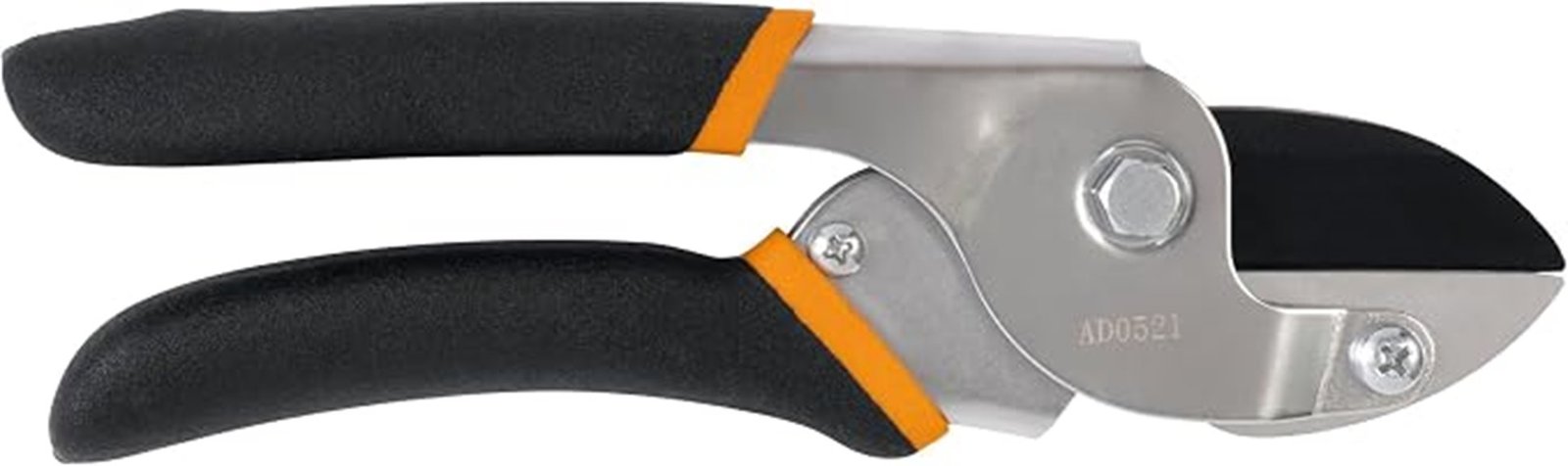
The Fiskars Power-Lever Anvil Pruning Shears are best suited for gardeners who need a reliable tool for cutting dry, dead growth with less effort. With a 5/8-inch cut capacity, they handle dead-heading flowers, trimming winter-died stems, and stripping small logs. Power-Lever technology boosts leverage, while the anvil blade design supports efficient, precise cuts. A razor-sharp, precision-ground steel blade reduces resistance, and the low-friction coating helps limit gumming and improve rust resistance. Ergonomic features add comfort during use. A lifetime warranty further reinforces their appeal as a durable, practical pruning option.
Best For: Gardeners looking for an easy-to-use pruning shear for cutting dry, dead growth, dead-heading flowers, and trimming small branches with added leverage.
Pros:
- Power-Lever technology provides extra cutting power with less effort
- Razor-sharp, precision-ground steel blade and low-friction coating improve cutting smoothness and resistance to gumming
- Ergonomic design and lifetime warranty add comfort and long-term reliability
Cons:
- Best suited for dry, dead material rather than fresh, living stems
- 5/8-inch cut capacity may be limiting for thicker branches
- Anvil design may be less ideal for delicate precision pruning on softer growth
WORKPRO Pruning Shears, Garden Clippers with SK5 Steel Blades, 8″ Anvil
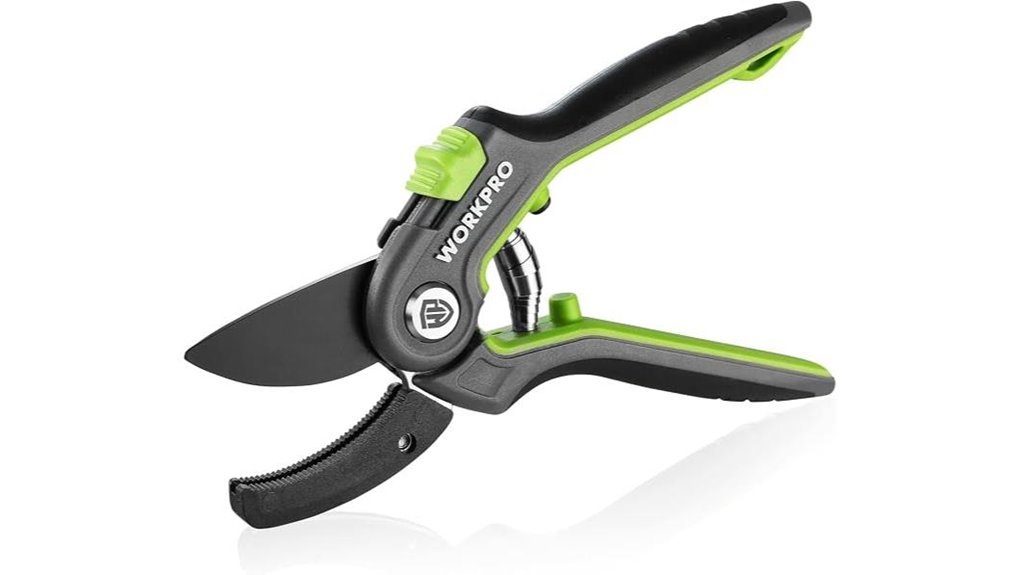
WORKPRO’s 8-inch anvil pruners suit gardeners needing clean cuts on dead, dry, and stubborn branches. Their SK5 steel blades, finished with a black coating, resist rust and corrosion while handling branches up to 0.75 inches thick. The anvil groove design supports precise cutting on dried plants and fruit wood. An ergonomic anti-slip rubber handle and shock-absorbing pad improve comfort during extended use. A responsive spring enables one-hand operation, while the locking mechanism keeps blades secure when stored. The shears also handle flowers and vegetables, making them a practical gift for gardening enthusiasts.
Best For: Gardeners who need durable, comfortable pruning shears for cutting dead, dry, or stubborn branches, as well as flowers and vegetables.
Pros:
- SK5 steel blades with a black coating resist rust and corrosion.
- Ergonomic anti-slip rubber handle and shock-absorbing pad reduce hand fatigue.
- Responsive spring and secure locking mechanism make one-hand use easy and safe.
Cons:
- Anvil-style blades are best for dead or dry wood, not ideal for clean cuts on live green stems.
- 8-inch size may be less suitable for very large or heavy-duty pruning jobs.
- Cutting capacity is limited to branches up to 0.75 inches thick.
LeafLux Heavy Duty Anvil Pruning Shears (LFXP1108S)
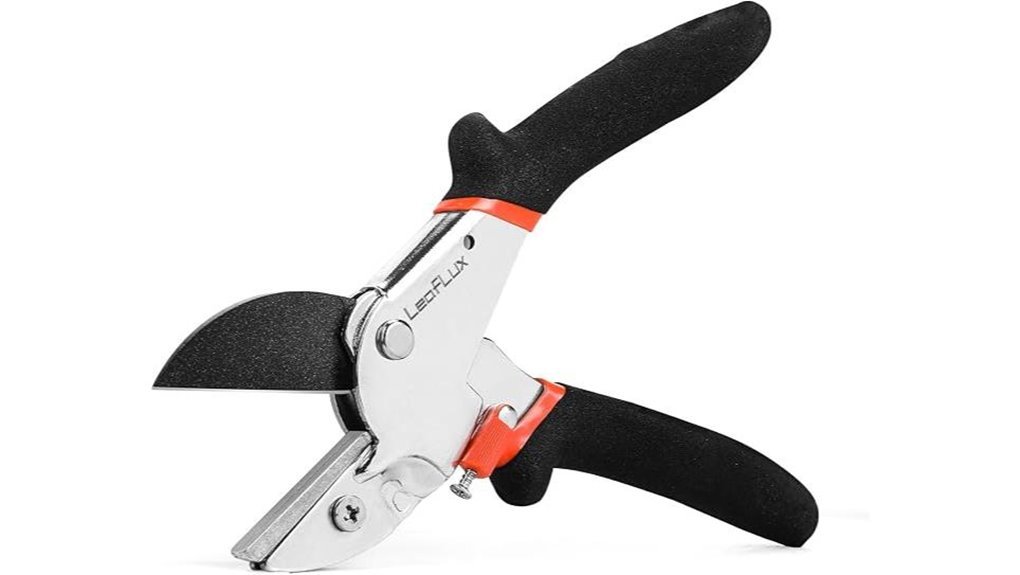
Built for tough garden cuts, LeafLux Heavy Duty Anvil Pruning Shears suit users tackling hardwood branches. Their SK5 high-carbon steel blades, heat treated to 58–60 HRC, deliver strong cutting performance, while the anti-friction lacquer helps resist corrosion and lowers drag. The shears handle hardwood and wet stems up to 15mm with ease. A replaceable blade design extends service life after heavy use. The all-metal body and internal spring improve stability, and the PVC handle adds a secure, comfortable grip. A precision lever system supports smooth cuts. They are not intended for metal or stainless steel.
Best For: Gardeners and home users who need durable, heavy-duty pruning shears for cutting hardwood and wet branches up to 15mm.
Pros:
- SK5 high-carbon steel blades with 58–60 HRC hardness for strong cutting performance
- Replaceable blade design helps extend the tool’s service life after heavy use
- All-metal body, internal spring, and ergonomic PVC handle provide stability and a comfortable non-slip grip
Cons:
- Not suitable for cutting metal or stainless steel
- Limited to branches up to 15mm in diameter
- Heavy-duty design may be more than occasional gardeners need
Original LÖWE Professional Anvil Pruner Garden Tools 1.104
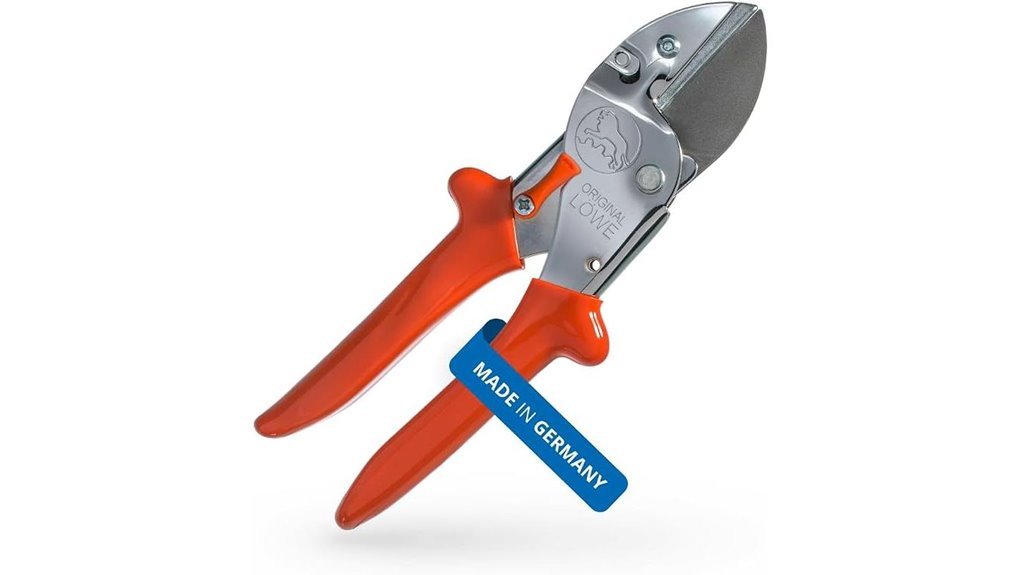
Original LÖWE’s 1.104 suits gardeners needing precise cutting power for hard, dry, or older wood. Made in Germany, this classic round-point anvil pruner uses a long-lasting carbon steel blade with a sliding lacquer coating to resist corrosion and reduce friction. Its powerful cutting system improves force transfer, while the 22 mm cutting width handles branches and twigs efficiently. Weighing 290 g, it measures 21 cm long and is shaped for medium to large hands with ambidextrous use. The 1.104 model includes one blade and is backed by Amazon’s 30-day return option and warranty information.
Best For: Gardeners who need a durable, precise anvil pruner for cutting hard, dry, or older wood with comfortable ambidextrous handling.
Pros:
- Long-lasting carbon steel blade with sliding lacquer coating for corrosion resistance and reduced friction
- Powerful cutting system with efficient force transfer for branches and twigs up to 22 mm
- Lightweight 290 g design with a classic round-point build suited to medium and large hands
Cons:
- Anvil pruners are less ideal for clean cuts on fresh, green stems than bypass pruners
- 22 mm cutting width may be limiting for thicker branches
- Best suited to specific pruning tasks, so it may not be versatile enough for all garden cutting jobs
Felco F31 Pruning Shears for Dry Hard Wood
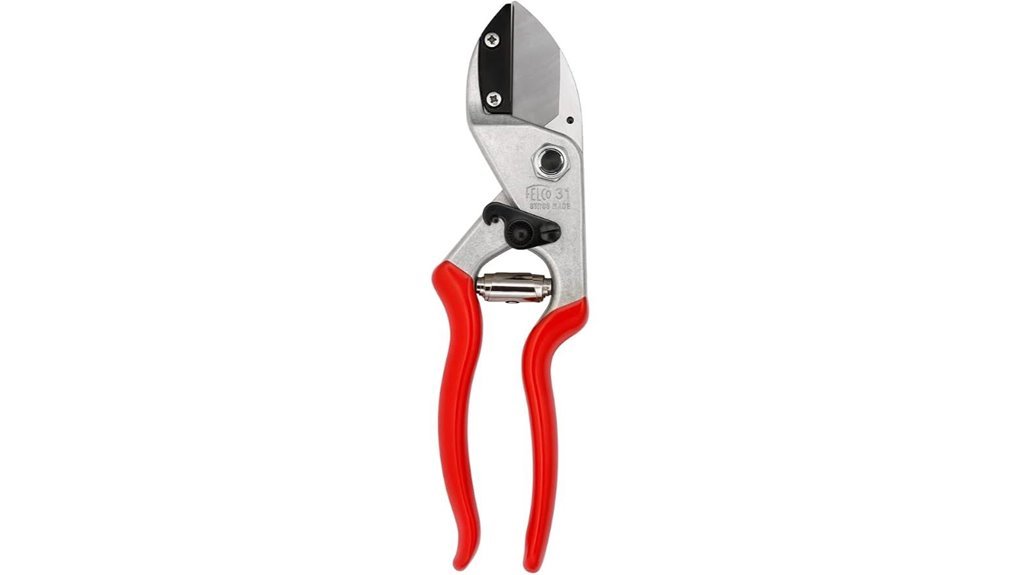
Felco F31 pruning shears are ideal for gardeners tackling dry, hard wood. The 8.3-inch anvil design pairs a 2-inch alloy-steel blade with a serrated edge for secure, efficient cuts up to 1 inch wide. Forged aluminum handles with a rubberized grip help reduce fatigue, while the 10.56-ounce weight keeps handling controlled. Micrometric adjustment supports precise blade alignment, and all parts are replaceable for long-term service. The right-handed tool also offers ergonomic comfort, plus a lifetime warranty on the handles and a 30-day Amazon return guarantee.
Best For: Gardeners and homeowners who need a durable, right-handed pruning shear for cutting dry, hard wood with precision and control.
Pros:
- Strong anvil design with a serrated alloy-steel blade for efficient cuts on hard wood
- Forged aluminum handles with rubberized grip help improve comfort and reduce fatigue
- Micrometric adjustment and fully replaceable parts support long-term maintenance
Cons:
- Right-handed orientation may not be ideal for left-handed users
- Best suited for dry, hard wood rather than general-purpose pruning
- At 10.56 ounces, it may feel a bit heavier than lighter pruning shears
Factors to Consider When Choosing Anvil Pruning Shears in 2026
When choosing anvil pruning shears in 2026, attention should go first to cutting capacity and blade material, since both shape performance on tougher branches. An ergonomic grip and sturdy durability features can improve comfort and extend tool life through regular use. A reliable safety locking mechanism also remains important for secure handling and storage.
Cutting Capacity
Cutting capacity is one of the most important factors in choosing anvil pruning shears, because it defines the maximum branch or stem diameter the tool can handle effectively. Most models handle between 5/8 inch and 1 inch, but capacities of 0.75 inches or more provide greater versatility for thicker branches and stubborn growth. This matters most when pruning dead or dry wood, where anvil shears are especially effective. Selecting a tool with the right capacity helps maintain clean, efficient cuts and reduces frustration during demanding tasks. The best choice depends on the plants and branch sizes being pruned, since oversized material can exceed the tool’s limits while smaller growth may not require extra reach. Matching capacity to the job improves performance and usability.
Blade Material
Blade material plays a major role in how anvil pruning shears perform and last over time. High-carbon steel is often preferred because it offers greater hardness and better edge retention than standard steel, which helps maintain clean cuts through repeated use. Corrosion resistance is equally important, especially in damp gardens where rust can shorten blade life and reduce reliability. Blade hardness, often rated in Rockwell units, gives a useful guide to sharpness retention; blades in the 58–60 HRC range usually stay keen longer for tougher cuts. Coatings such as anti-friction lacquers can further improve performance by lowering cutting resistance and adding protection against corrosion. Material choice also affects weight, influencing stability and fatigue during extended pruning sessions.
Ergonomic Grip
Grip comfort matters as much as blade quality in anvil pruning shears, especially during long pruning sessions. An ergonomic grip is shaped to fit the hand naturally, helping reduce strain and making repetitive cuts less taxing. Anti-slip materials improve control by keeping the tool secure, even when hands become damp or sweaty. Shock-absorbing pads in the handle further limit fatigue, which supports longer use with less discomfort. Grip design also matters because it should suit different hand sizes, giving more users a stable and comfortable hold. Lightweight construction adds another benefit by lowering the effort required for each cut. Together, these features improve precision, comfort, and efficiency, making ergonomic grip a key factor when selecting anvil pruning shears.
Durability Features
Durability often begins with the materials and finish of the tool’s working parts. Blades made from high-carbon steel or alloy steel usually provide strong edge retention and dependable resistance to repeated cutting. A heat treatment that raises hardness to about 58–60 HRC can further improve service life by helping the edge stay sharp under frequent use. Anti-friction coatings also matter, since they reduce wear and help guard against corrosion. Replaceable blades add another advantage, allowing the shears to keep working well after heavy seasons of pruning. All-metal designs generally offer greater stability and structural strength, especially when paired with ergonomic grips that support comfort during extended tasks. Together, these features point to shears built for lasting performance in demanding garden work.
Safety Locking
A reliable safety lock is a key factor in anvil pruning shears, since it keeps the blades secured in a closed position when the tool is not in use and helps prevent accidental injury. Buyers should favor models with locking systems that are simple to engage, preferably with one hand, so changes between cuts remain efficient. Durability matters as well, because a lock that loosens or sticks after repeated use reduces trust in the tool. Some designs place the lock within the handle, which can improve comfort and preserve a streamlined grip. Regular cleaning and inspection help the mechanism continue working properly over time. When safety locking is well designed, it supports both protection and convenience during routine pruning tasks.
Frequently Asked Questions
How Often Should Anvil Pruning Shears Be Sharpened?
Anvil pruning shears should be sharpened whenever cutting feels difficult, usually after several uses or a season of pruning. Regular inspection helps; dull blades can crush stems, so maintenance keeps cuts clean and efficient.
Are Anvil Shears Good for Live Green Stems?
Anvil shears are generally poor for live green stems because they crush rather than slice cleanly, bruising tender tissue. Bypass pruners are usually preferred for healthier cuts on fresh, living growth.
What Safety Gear Should I Use With Pruning Shears?
The user should use gloves, safety glasses, and sturdy closed-toe shoes with pruning shears. Long sleeves can help prevent scratches, and careful handling is essential to avoid cuts, slips, and accidental injury.
How Do I Clean Sticky Sap off Anvil Blades?
Like a clockwork remedy, sticky sap lifts with rubbing alcohol or mineral spirits on a cloth. He should wipe the blade, scrub gently with a nylon pad, rinse, dry thoroughly, then apply light oil to prevent buildup.
Can Anvil Pruning Shears Cut Thick Branches?
Yes, anvil pruning shears can cut thick branches, but only within their rated diameter. Their crushing action suits dead or dry wood better than green stems, where bypass pruners usually perform more cleanly and efficiently.
Conclusion
Choosing the right anvil pruning shears comes down to matching strength, comfort, and cutting precision to the task at hand. Like a well-tuned key opening a stubborn gate, the best models make dry, hard wood feel manageable. From Fiskars’ dependable leverage to Felco’s refined control, each tool offers a different path through the thicket. In the end, the right shears turn rough branches into a neatly finished silhouette.
