
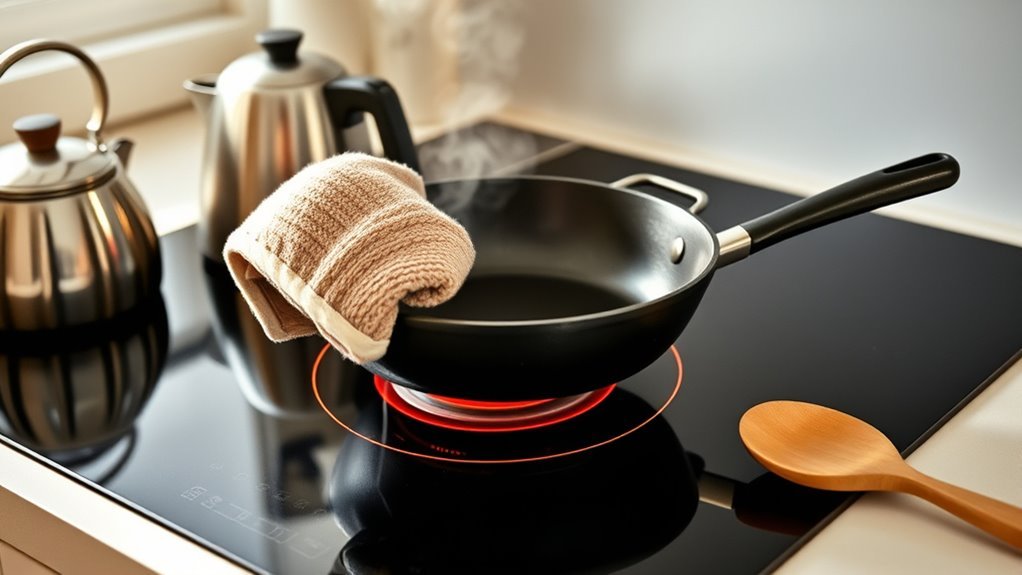
You might find it surprising that many cooks often overlook the compatibility of cast iron with electric stoves. Despite the common belief that these two don’t mix, they actually work quite well together. Cast iron’s ability to retain heat combined with the steady performance of electric burners can create a fantastic cooking experience. Curious about how to maximize this pairing and avoid any potential pitfalls? Let’s explore the ins and outs of using cast iron on electric stoves.
Understanding Cast Iron Compatibility With Electric Stoves
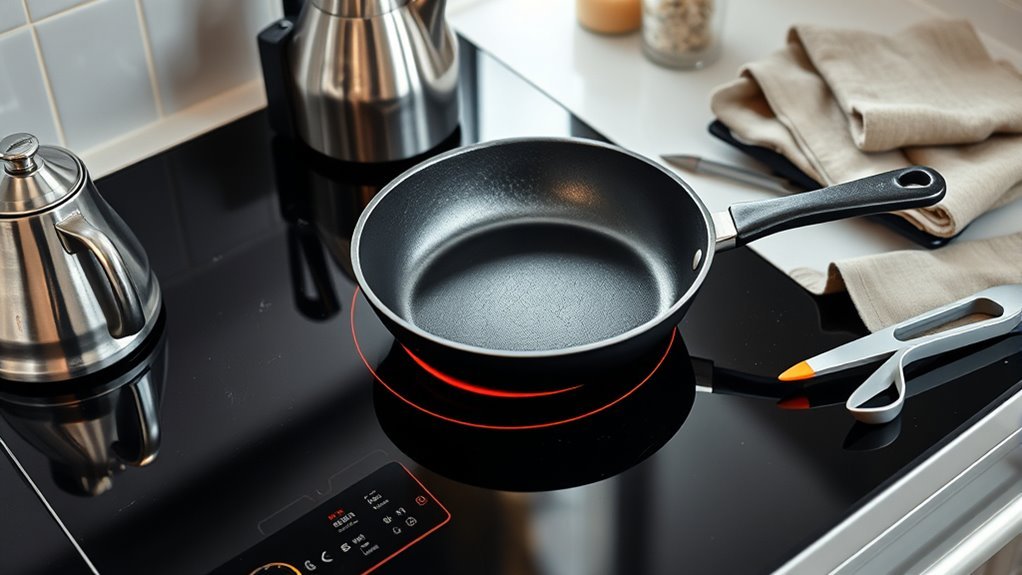
When you switch from gas to electric stoves, you might wonder how well your beloved cast iron cookware will perform. The good news? Cast iron is fully compatible with electric stoves, including glass-top models. It excels in even heating, ensuring your dishes cook uniformly without those pesky cold spots.
However, patience is key. Electric burners take longer to reach the ideal temperature, so give your pans a moment to warm up.
When using cast iron on a glass top stove, avoid dragging or sliding your cookware to prevent scratches. Instead, lift it gently; this protects your stove while maintaining contact for effective heating.
Many users have reported successful long-term experiences with cast iron on electric stoves, proving its safety and reliability in the kitchen. Embrace this cooking change, knowing your cast iron will adapt beautifully to your new setup!
Advantages of Using Cast Iron on Electric Stoves
Using cast iron on electric stoves offers several distinct advantages that enhance your cooking experience. A cast iron skillet retains and distributes heat evenly, ensuring you achieve the best results every time you cook.
The heavy weight of cast iron guarantees excellent contact with electric burners, which improves heat transfer for effective cooking. Since electric stoves heat more slowly than gas, you benefit from gradual preheating that complements cast iron’s remarkable heat retention properties.
The weight of cast iron ensures optimal contact with electric burners, enhancing heat transfer for effective cooking.
Moreover, cast iron’s versatility means you can fry, bake, or sauté with ease on your electric cooktop. When properly seasoned, it provides a natural nonstick surface, so you won’t need to rely on excessive oil.
This combination of even heating, effective contact, and versatility makes cooking with cast iron on electric stoves not just practical, but truly liberating. You’re set for a delightful culinary adventure!
Best Practices for Cooking Techniques With Cast Iron
To achieve the best results with your cast iron cookware on an electric stove, it’s essential to embrace a few key techniques.
Start by preheating your cast iron gradually on the electric range to avoid thermal shock. Allow the pan to heat undisturbed for ideal browning and searing, enhancing the flavors in your dishes.
Stick to medium heat settings; this helps prevent hot spots and overcooking since electric stoves are less responsive to changes.
When cooking, gently lift and set down your pan to protect the glass-top surface—it’s safe to use cast iron, but care is vital.
Finally, closely monitor cooking times, as cast iron retains heat remarkably well and can lead to quicker cooking than you might expect.
Essential Tips for Using Cast Iron on Glass-Top Stoves
While cooking with cast iron on glass-top stoves can be rewarding, it does require some extra care to protect your cooking surface. Here are some essential tips to keep in mind for successful cast iron cooking:
| Tip | Description |
|---|---|
| Lift, Don’t Glide | Always lift your cast iron pan to prevent scratching the surface. |
| Check for Cleanliness | Verify the bottom of your pan is clean before placing it down. |
| Preheat Gradually | Avoid sudden temperature changes to prevent thermal shock. |
| Handle with Care | Be cautious of the heavy weight; it can crack or shatter the glass. |
| Regular Inspections | Frequently check the glass surface for signs of wear or damage. |
Handling Cast Iron Safely on Electric Stoves
Cooking with cast iron on electric stoves presents its own unique challenges, but with the right approach, you can enjoy the benefits of this versatile cookware. Proper handling is key to preserving both your cast iron pan and the stove.
Here are three essential tips to keep in mind:
- Lift, Don’t Slide: Always lift your cast iron pan rather than sliding it across the electric stove. This prevents scratches on glass tops and guarantees a smooth cooking experience.
- Clean Base: Before placing the pan on the burner, make sure its bottom is clean. This helps avoid potential damage to the glass surface.
- Heat Gradually: Allow your cast iron to heat up slowly. This not only prevents thermal shock but also ensures you achieve the right temperature for maximum cooking performance.
Embrace these tips, and you’ll handle cast iron safely and effectively on your electric stove!
Troubleshooting Common Issues With Cast Iron on Electric Stoves
When cooking with cast iron on an electric stove, you might run into issues like uneven heating or scratches on your glass top.
To tackle these problems, start by ensuring your pan’s bottom is clean and flat for ideal contact with the burner.
You’ll also want to be mindful of how you handle the pan, as frequent lifting can lead to unwanted marks on your cooktop.
Uneven Heating Problems
Even if cast iron is known for its ability to retain and distribute heat evenly, using it on an electric stove can sometimes present challenges. You might encounter uneven heat due to hot spots, especially if your pan doesn’t have a flat bottom.
Here are a few tips to troubleshoot:
- Ensure Good Contact: Make sure your cast iron pan has a flat bottom for ideal burner contact.
- Avoid Frequent Lifting: Lifting your pan disrupts heat retention, leading to uneven cooking results.
- Monitor Heat Gradually: Electric stove burners can have hot spots, so adjust the heat slowly and keep an eye on cooking to avoid overcooking in certain areas.
Scratches on Glass Top
While cast iron cookware is beloved for its heat retention, using it on a glass-top electric stove can lead to scratches that mar your cooking surface. To protect your beloved stove, always lift your cast iron pans instead of sliding them. Regularly check the glass for any scratches or cracks, and verify the pan’s bottom is clean to prevent debris damage. Sudden movements can create impacts, risking cracks, so adjust with care.
| Action | Risk Level | Prevention |
|---|---|---|
| Sliding pans | High | Always lift |
| Using dirty cookware | Medium | Clean before use |
| Sudden adjustments | High | Move slowly |
| Storing directly on glass | Medium to High | Use trivets or pads |
How Does Electric Cooking Stack Up Against Gas?
Although many chefs prefer gas for its immediate temperature control, electric cooking offers distinct advantages, especially when using cast iron. Here’s how electric stoves stack up:
Electric cooking may take longer to heat up, but its even temperature control makes it ideal for cast iron.
- Even Heat Distribution: Electric stoves provide consistent heat, reducing hot spots that can lead to uneven cooking. This is particularly beneficial for cast iron, which thrives on stable temperatures.
- Steady Cooking: While gas allows for quick temperature adjustments, electric stoves maintain consistent heat. This stability makes it easier to simmer sauces or bake evenly.
- Versatile Retention: Cast iron excels on both electric and gas stovetops, but it shines on electric surfaces where heat distribution is uniform.
In essence, while you may need a little patience for electric stoves to reach temperature, the benefits of even cooking and heat retention make them a worthy choice for your cast iron cookware.
Frequently Asked Questions
What Should You Not Cook in Cast Iron?
You shouldn’t cook highly acidic foods, delicate proteins, or sticky recipes in cast iron. These can strip seasoning, cause sticking, and create a mess.
For great results, focus on proper seasoning tips and cooking techniques. Avoid dairy and high-sugar dishes, as they can burn easily and damage your pan’s surface.
Can I Use Lodge Cast Iron on an Electric Stove?
Yes, you can absolutely use Lodge cast iron on an electric stove!
For ideal heat distribution, preheat your pan slowly to avoid thermal shock. Use electric stove tips like keeping the bottom clean to prevent scratches.
With the right cooking techniques, you’ll find that Lodge cast iron excels at searing and slow cooking.
Just remember, its heavy weight requires careful handling to protect your stove’s surface while releasing your culinary creativity!
What Is the Best Cast Iron Skillet for an Electric Stove?
The best cast iron skillet for your electric stove? It’s a game-changer!
Opt for a 10-12 inch round skillet with a flat bottom for unbeatable heat distribution. Pre-seasoned skillets save you time and enhance your cooking right away.
Brands like Lodge and Le Creuset are champions of durability.
Don’t forget your cast iron care—keep it light to avoid scratching your glass-top!
Follow these electric stove tips, and release your culinary creativity!
How to Cook Steak in Cast Iron Skillet on Electric Stove?
To cook steak in a cast iron skillet on an electric stove, start by preheating your skillet on medium heat for 5-10 minutes.
Use high smoke point oil for searing techniques and avoid burning.
Sear the steak for 3-5 minutes per side, checking steak temperatures with a thermometer—aim for 130°F for medium-rare.
Remember to let it rest for 5 minutes before slicing.
Enjoy the flavorful liberation of perfectly cooked steak!
Conclusion
In the dance of flavors and heat, cast iron waltzes gracefully on electric stoves. With a little care, your trusty skillet can transform everyday meals into culinary masterpieces. Embrace the magic of even heating, and let your cast iron shine. Remember, it’s not just about cooking; it’s about creating memories. So lift that pan with pride, and savor the delicious journey ahead. Your electric stove and cast iron are a match made in cooking heaven!
