
The best bare-root roses on Amazon in 2027 pair strong hardiness, repeat blooms, and the right growth habit. Delight Rose Bush fits compact beds and containers, while Climbing Rose Live Plant adds deep purple color for trellises. Vibrant Light Pink Rose offers fragrant reblooming growth, and White Rose Bush suits small spaces with classic blooms. Don Juan stands out for vigorous red flowers. Each choice rewards the gardener who wants to compare details a little further.
Delight Rose Bush Live, Garden Rose Plant, 5-10 Inch Tall
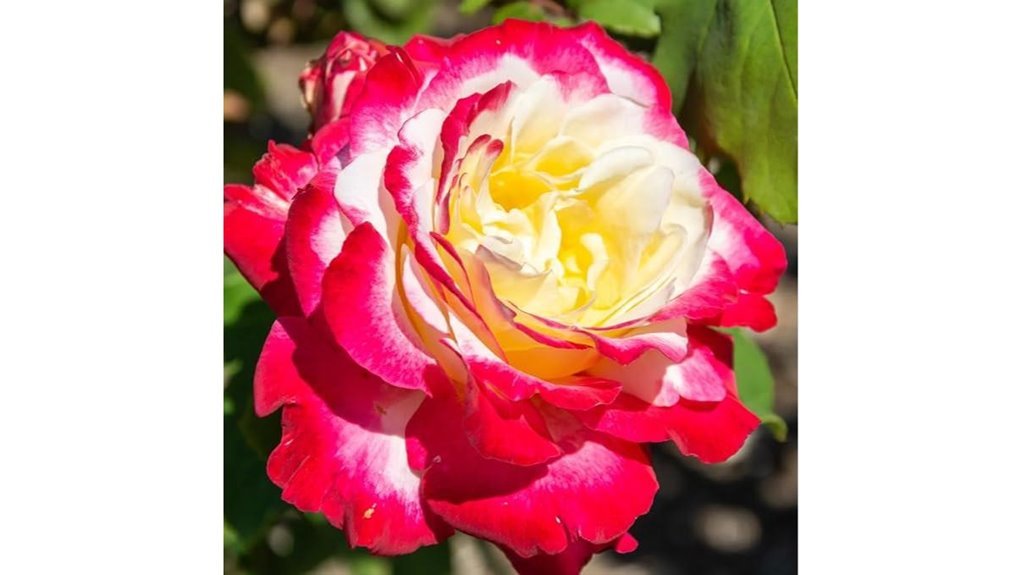
The Delight Rose Bush is a strong pick for gardeners seeking a compact, versatile bare-root rose that works in both outdoor beds and indoor containers. This live garden rose arrives bareroot with soil and stands 5 to 10 inches tall, then develops into a bushy plant reaching 3 to 6 feet. It prefers full sun, moderate watering, and well-drained soil. Hardy in USDA zones 5 through 10, it blooms from late spring through fall. Its size suits borders, patios, balconies, living rooms, offices, and garden beds. TANKDA offers Amazon’s 30-Day Return Guarantee and warranty details upon request.
Best For: Gardeners, balcony or patio growers, and indoor plant lovers who want a compact, versatile rose bush that can thrive in full sun and a range of indoor/outdoor spaces.
Pros:
- Compact, bushy growth makes it easy to fit in beds, borders, containers, and smaller spaces.
- Blooms from late spring through fall for long-lasting seasonal color.
- Suitable for USDA zones 5-10 and adaptable to both indoor and outdoor settings.
Cons:
- Needs full sun and well-drained soil, so it may not suit low-light or poorly draining areas.
- Requires moderate watering and regular care to stay healthy and blooming well.
- Arrives bareroot with soil, which may need extra attention during initial planting and establishment.
Climbing Rose Live Plant, Fragrant Reblooming Flower Bush, 5-7 Inch Tall
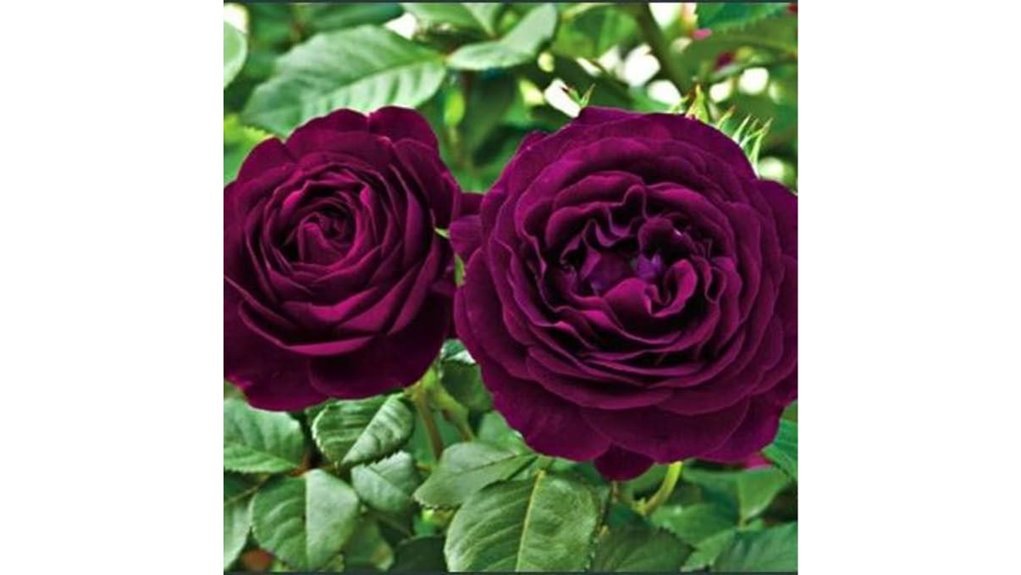
Ideal for gardeners seeking a compact, fragrant climber, this deep purple rose suits sunny trellises. The TANKDA Climbing Rose Live Plant arrives at 5 to 7 inches tall and is expected to mature into a 3 to 6 foot vine, making it suitable for smaller vertical spaces. It reblooms in summer and prefers full sunlight, moderate watering, and well-drained soil. Hardy in zones 5 through 9, it requires trellis support to perform well. A 30-day return guarantee is offered, and the plant currently holds a 3.8-star average from four reviews.
Best For: Gardeners with sunny, small vertical spaces who want a compact, fragrant, reblooming climbing rose for a trellis.
Pros:
- Deep purple blooms with a fragrant, reblooming habit in summer.
- Compact size at maturity makes it suitable for smaller gardens or trellises.
- Hardy in zones 5-9 with full-sun and moderate-water needs.
Cons:
- Requires trellis support, so it’s not ideal for unsupported planting.
- Needs full sunlight and well-drained soil, limiting placement options.
- Only 3.8 stars from four reviews, so feedback is limited and mixed.
Vibrant Light Pink Rose Live Plant, Reblooming Rose Bush, 5-8 Inch Tall
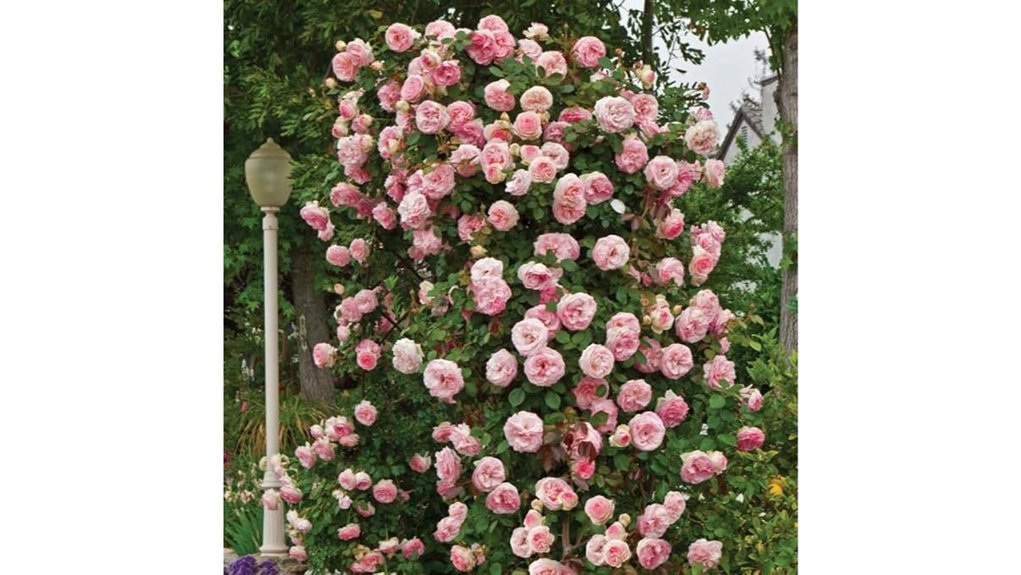
AKTRD’s vibrant light pink bare-root rose suits gardeners seeking a fragrant, reblooming climber for sunny spaces. This Hybrid Tea Climbing Rose arrives as a 5 to 8 inch, 5-month-old well-rooted plant with no leaves at delivery, ready to establish quickly. It can mature to 3 to 6 feet and benefits from trellis support. Full sun and sandy soil suit it best, with average watering and trimming as needed. Hardy in USDA Zones 6 to 9b, it also carries a 30-day return guarantee and warranty details upon request for added buyer confidence.
Best For: Gardeners who want a fragrant, reblooming light pink climbing rose for full-sun spaces and have a trellis or support ready.
Pros:
- Fragrant, reblooming blooms add long-lasting color and appeal.
- Well-rooted bare-root plant is ready to establish quickly.
- Suited to sunny gardens in USDA Zones 6 to 9b.
Cons:
- Requires trellis support, so it’s not ideal for low-maintenance planting.
- Arrives with no leaves, which may look sparse at first.
- Best performance depends on full sun and sandy soil conditions.
White Rose Bush Plant Live, Fragrant Rose Bush, 5-10 Inch Tall
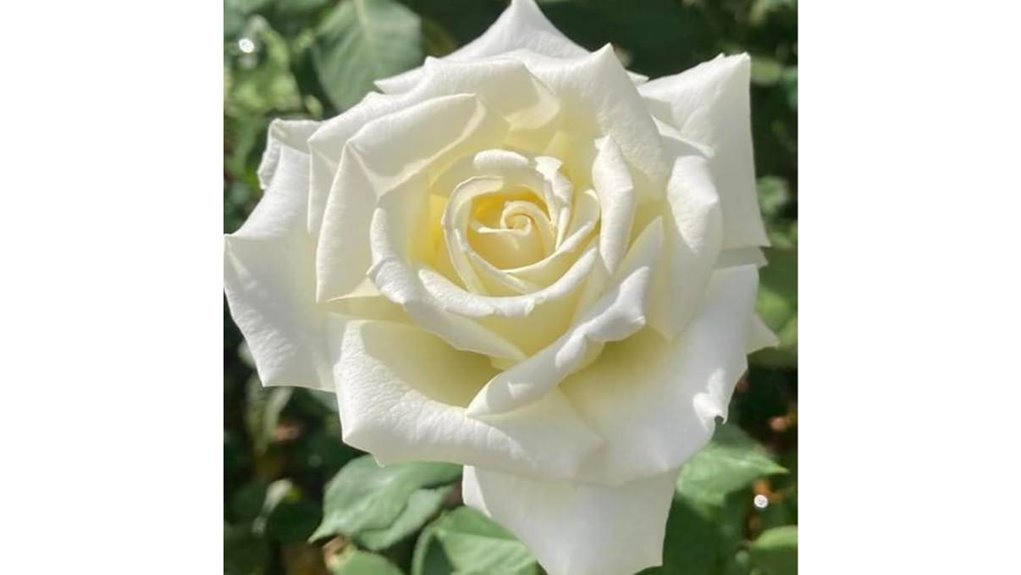
A compact, fragrant white rose suits gardeners wanting versatile blooms for small spaces. The TANKDA White Rose Bush Plant arrives live as a 5-10 inch bare-root heirloom, with soil but no pot. Its compact, bushy habit matures to about 4-5 feet, fitting beds, borders, containers, balconies, patios, and indoor displays. Hardy in USDA zones 6-10, it prefers full sun and moderate watering. Blooming extends from late spring through fall, offering long seasonal interest. The plant is suitable for indoor and outdoor use, and many listings include a voluntary 30-day return guarantee.
Best For: Gardeners who want a compact, fragrant white rose that works well in small spaces, containers, borders, patios, and both indoor and outdoor settings.
Pros:
- Blooms for an extended period from late spring through fall
- Compact, bushy growth makes it versatile for smaller spaces
- Suitable for USDA zones 6-10 and can be used indoors or outdoors
Cons:
- Requires full sun, so it may not thrive in shaded areas
- Needs moderate watering and regular care to stay healthy
- Arrives bare-root with soil and no pot, so planting is needed right away
Don Juan Rose Plant Live, Fragrant Reblooming Flower Bush, 5-7 Inch Tall
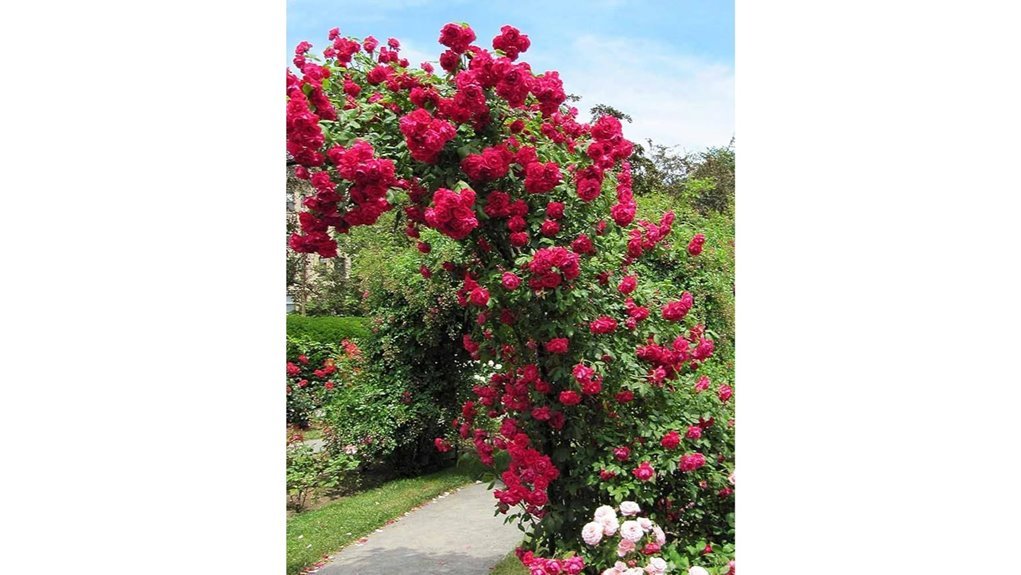
Don Juan rose suits gardeners seeking a fast-growing, highly fragrant climber with deep red blooms. This live TANKDA plant arrives 5 to 7 inches tall and can eventually reach 10 feet high and 5 feet wide. Its large, double, cupped flowers offer a tea-like or fruity scent and repeat through summer. Best results come in full sun, zones 5 through 9, with moderate moisture and loose, well-draining soil. A trellis supports its climbing habit, making it useful for borders and vertical accents. The product includes one plant and a 30-day return guarantee.
Best For: Gardeners who want a fast-growing, highly fragrant climbing rose with deep red blooms for sunny borders or trellis training.
Pros:
- Highly fragrant, large double blooms with a tea-like or fruity scent
- Reblooming flower bush that flowers repeatedly through summer
- Fast-growing climber suitable for vertical accents and landscape borders
Cons:
- Requires a trellis or other support to climb properly
- Needs full sun and well-draining soil to perform best
- Hardy only in zones 5 to 9, so it is not suitable for all climates
Factors to Consider When Choosing Bare-Root Roses on Amazon in 2026
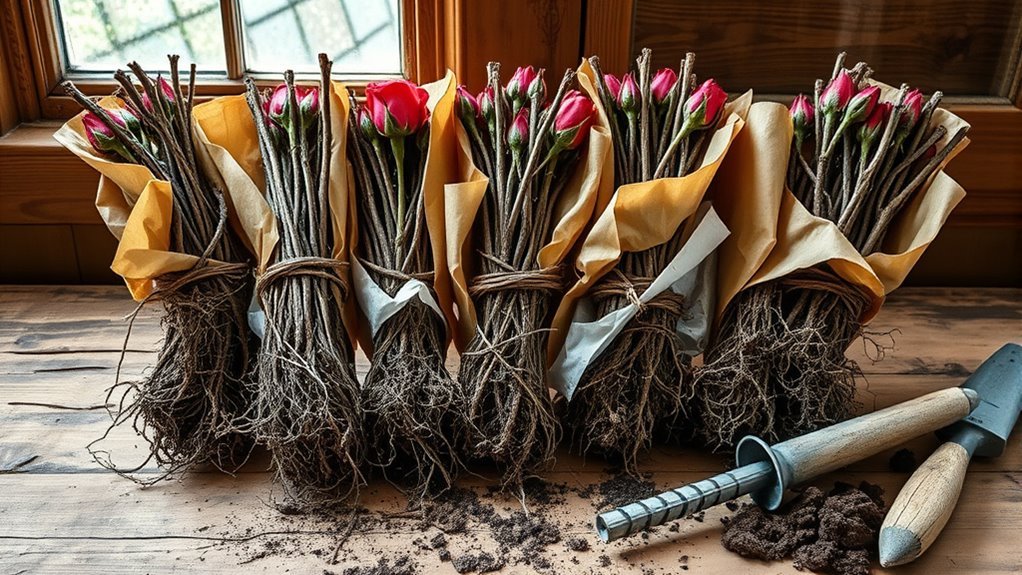
Selecting bare-root roses on Amazon in 2026 begins with checking the root condition, since firm, moist, and well-packed roots usually signal better viability. It also helps to confirm USDA zone compatibility, sunlight needs, and the plant’s expected mature size to guarantee the rose will suit the garden’s climate and space. Support structure needs should also be noted, especially for climbing or sprawling varieties that require trellises or stakes.
Bare-Root Condition
The bare-root condition often reveals whether a rose is worth planting at all, since healthy specimens should arrive with moist roots, no mold or excessive dryness, and at least three strong roots for good establishment. Because these roses ship without soil, they should be planted promptly after arrival to limit stress and preserve viability. A brief soak in water for several hours can rehydrate the roots and improve establishment once set in the ground. Until planting, properly packed plants should remain in a cool, dark place, away from heat and light that can weaken dormant tissue. Careful inspection of root firmness, moisture, and root count helps determine whether a specimen is likely to grow successfully after transplanting and whether it deserves purchase.
USDA Zone Match
A rose’s USDA hardiness zone is one of the most important indicators of whether it will establish successfully in a garden. Bare-root roses should be matched to the buyer’s local zone so they can handle seasonal lows and highs without excessive stress. Most varieties are rated for zones 5 through 10, but individual cultivars can differ, making it essential to verify the listed range before purchasing. A poor zone match can result in winter dieback, heat injury, weak growth, and reduced blooming. Reviewing the USDA hardiness zone map helps narrow selections to roses likely to perform well in specific climates. Product descriptions should always be checked carefully for zone specifications, since compatibility is a key factor in long-term success and garden performance.
Sunlight Requirements
Sunlight is a key determinant of how well bare-root roses establish and bloom, with most varieties needing at least 6 to 8 hours of direct sun each day to perform well. Full sun supports strong growth, sturdy canes, and abundant flowering, while too little light often produces weak, leggy plants with sparse blooms. Although some varieties tolerate slightly less sun, full exposure remains the best choice for maximizing performance. When selecting bare-root roses, the garden’s orientation should be assessed so the planting site receives consistent light through the growing season. Ongoing monitoring of sun patterns can reveal shade shifts from nearby structures or trees, allowing adjustments to improve growing conditions and maintain healthy development and flowering.
Mature Plant Size
Mature plant size should be considered early when choosing bare-root roses, since most varieties reach about 3 to 6 feet at maturity and will influence spacing, placement, and overall garden design. Compact roses usually stay near 3 to 4 feet, fitting neatly into small beds, borders, or containers. Larger shrubs need more room to spread, and some can grow up to 5 feet wide, so crowding should be avoided. Climbing types may reach 10 feet, making them better suited to areas with ample vertical room. Planning for final dimensions also helps match roses with neighboring plants that will not compete for space, light, or air circulation. Careful size selection supports healthier growth and a more balanced landscape overall.
Support Structure Needs
After mature size, support structure needs become a major factor in choosing bare-root roses on Amazon in 2026, especially for climbing varieties that cannot flourish without a trellis, arbor, or similar framework. A support should match the rose’s growth habit: climbing types need vertical reinforcement, while bush roses often perform better in open space with less rigid guidance. The structure must also be sturdy enough to bear the plant’s full weight as it reaches several feet in height and spread. Installing the support at planting time reduces root disturbance and helps the rose establish cleanly. Once in place, the framework should be checked regularly for loosened fasteners, bending, or instability so it remains reliable as the plant develops through successive seasons.
Blooming And Fragrance
Blooming period and fragrance are two of the most important factors when choosing bare-root roses on Amazon in 2026, since many varieties bloom from late spring through fall and can keep a garden colorful for months. Reblooming types are especially valuable because they return with multiple flushes, extending both color and scent across the season. Fragrance also varies widely, from soft tea-like notes to richer fruity aromas, so buyers often compare scent strength before selecting a plant. Bloom form matters as well; large, double, or cupped flowers can change the visual effect and the intensity of fragrance. Hardiness zone compatibility should not be overlooked, since roses only bloom well when suited to local climate conditions.
Frequently Asked Questions
What Hardiness Zones Suit Bare-Root Roses Best?
Bare-root roses perform best in USDA hardiness zones 5 through 9, where winters are moderate and soils warm reliably. In colder zones, extra mulching helps; in hotter zones, afternoon shade reduces stress and improves establishment.
How Long Do Bare-Root Roses Take to Bloom?
Bare-root roses usually bloom in 6 to 12 weeks after planting, though first-year flowers may be sparse. For example, a ‘Queen Elizabeth’ rose planted in spring often shows buds by early summer.
Can Bare-Root Roses Grow in Containers?
Yes, bare-root roses can grow in containers if the pot is large, well-drained, and kept consistently moist. They benefit from rich soil, regular feeding, and winter protection, especially during establishment.
How Should Bare-Root Roses Be Planted?
Bare-root roses should be planted with roots spread in a wide hole, the graft union just above soil level, then watered deeply, mulched lightly, and kept evenly moist until new growth appears.
When Is the Best Time to Plant Bare-Root Roses?
About 70% of bare-root roses succeed best when planted during dormancy, ideally late winter to early spring. Gardeners generally find the ideal window is after severe freezes pass but before buds swell, maximizing establishment.
Conclusion
In choosing bare-root roses on Amazon, buyers should focus on vigor, fragrance, reblooming habit, and overall adaptability to their garden conditions. The five roses above each offer distinct strengths, from climbing beauty to soft pink blooms and classic white elegance. As the adage goes, “You get what you pay for,” and that wisdom often holds true in rose selection. With thoughtful comparison, gardeners can find a rose that rewards care with lasting bloom.
