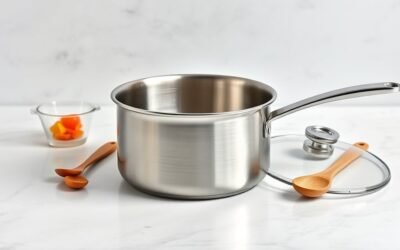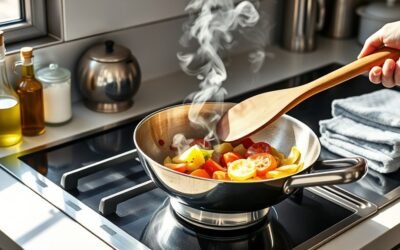
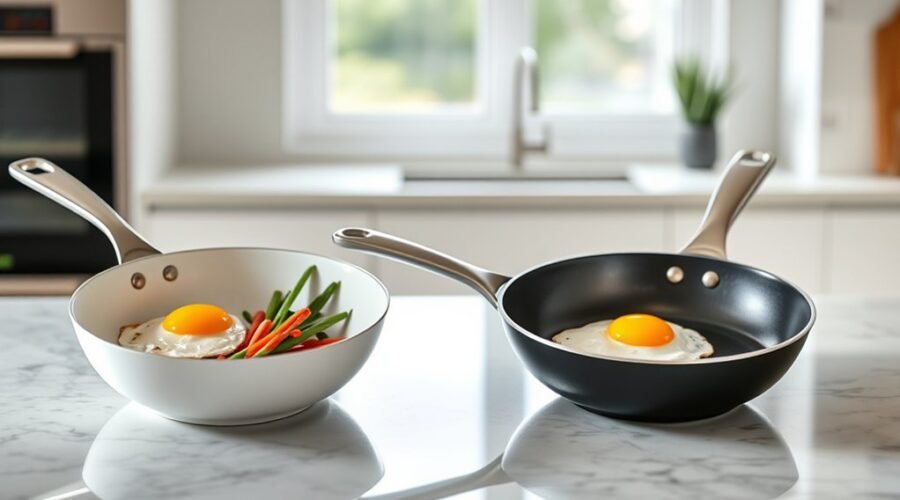
Ceramic cookware is not always better than traditional nonstick. Ceramic coatings are usually PTFE- and PFOA-free, look attractive, and handle low to medium heat well, but they can lose nonstick performance after about a year and may chip more easily. Traditional nonstick is often cheaper, easier to clean, and more durable, with high-quality PTFE staying safe under normal heat. The better choice depends on cooking style, budget, and durability needs, and more details explain the trade-offs.
What Is Ceramic Cookware?
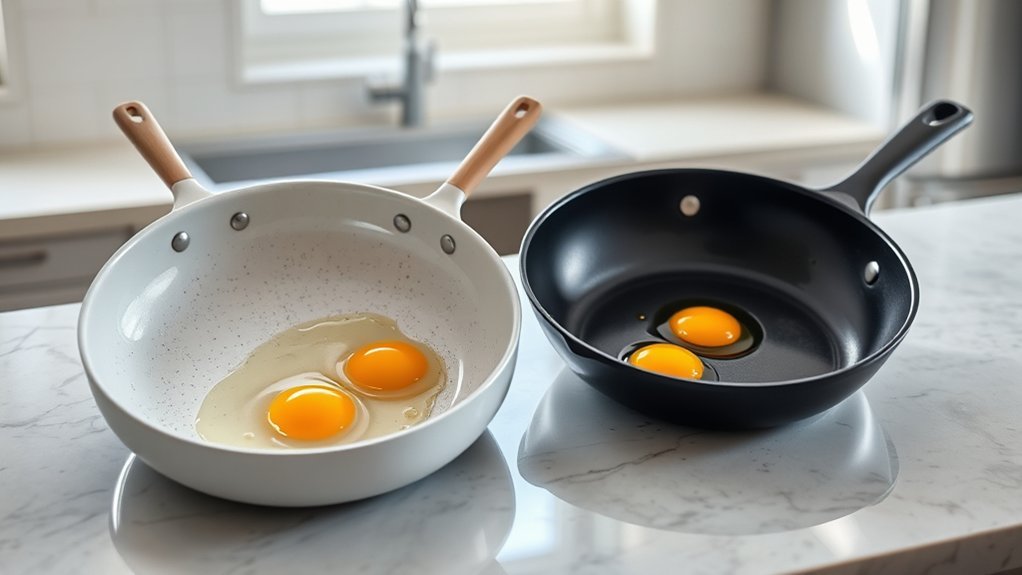
Ceramic cookware refers to pans and pots with a coating made from silica and titanium-based nanoparticles that creates a smooth, nonstick cooking surface.
This ceramic cookware is often promoted as a non-toxic option because it is typically free from PTFE and PFOA, which appeals to health-conscious consumers seeking cleaner tools in the kitchen. Its nonstick surface can reduce the need for excess oil, supporting more controlled cooking choices.
Many pieces also come in varied colors and finishes, offering aesthetic flexibility alongside practical use.
Many ceramic pieces come in varied colors and finishes, blending aesthetic flexibility with everyday practicality.
However, the nonstick properties are not permanent; with regular use, performance may decline after about a year, and users may need more fat for cooking. The coating is also more vulnerable to chipping and scratching, so careful handling is important.
In this sense, ceramic cookware offers a compromise between convenience, visual appeal, and durability.
What Is Traditional Nonstick Cookware?
Traditional nonstick cookware is typically coated with polytetrafluoroethylene, or PTFE, commonly known as Teflon, which creates a smooth surface that allows food to release easily. This cooking surface supports low-fat cooking and reduces the need for aggressive scrubbing.
Traditional nonstick cookware is usually more affordable than ceramic alternatives, which makes it accessible for budget-conscious households seeking practical tools.
High-quality PTFE coatings are stable and nonreactive under normal use, so acidic ingredients can be cooked without significant interaction. When kept below 480°F, the material is generally considered safe. At high heat, however, the coating can degrade, and fumes may form.
Maintenance matters. Metal utensils, abrasive cleaners, and overheating can scratch the surface and weaken nonstick performance over time.
Careful use preserves easy food release and extends service life. For cooks seeking efficiency and autonomy, this cookware offers convenience, but only within its temperature limits and maintenance requirements.
Ceramic vs. Nonstick: Key Differences
Although both cookware types are designed for easy food release, they differ in coating composition, heat tolerance, durability, and maintenance needs. Ceramic cookware uses silicon- and titanium-based ceramic coatings, while nonstick cookware usually relies on PTFE-coated cookware surfaces. That distinction shapes cooking performance, lifespan, and user expectations.
- Ceramic cookware often feels cleaner to choose for those wary of health concerns.
- Nonstick cookware usually stays easy to clean for longer with proper care.
- Ceramic coatings may lose release power after about a year.
- Traditional nonstick can last several years, yet high heat can shorten its life.
Ceramic pans generally perform best on low to medium heat, while PTFE coatings can degrade above 480°F. Both can scratch or chip, but ceramic is more brittle and less forgiving.
For those seeking freedom from frequent replacement, the tradeoff is clear: one offers a more natural profile, the other greater durability and steadier cooking performance over time.
Is Ceramic Cookware Safer?
From a safety perspective, ceramic cookware is often viewed as the cleaner option because it is typically free of PTFE and PFOA, chemicals associated with traditional nonstick coatings. This makes ceramic cookware attractive to health-conscious buyers seeking a non-toxic kitchen setup.
However, safety is not absolute. Regulation of ceramic coatings is limited, and lower-grade products may leach unknown minerals into food. High-quality ceramic coatings, by contrast, are derived from natural materials and are generally considered more stable. They can also tolerate higher heat than conventional nonstick pans, which may reduce the risk of harmful emissions during overheating.
Still, both ceramic and nonstick cookware demand careful use; surface damage and wear can compromise safety and shorten useful life. For consumers prioritizing liberation from questionable chemicals, ceramic presents a compelling option, but informed selection matters. Material quality, manufacturing standards, and proper care remain central to overall safety.
How Do Ceramic and Nonstick Pans Perform?
Performance is where ceramic and traditional nonstick cookware begin to diverge more noticeably. Ceramic pans often deliver a strong initial release, yet ceramic cookware loses that advantage faster, with sticking sometimes appearing after a dozen uses. As performance fades, more oil or butter may be needed.
Ceramic pans start strong, but that easy release can fade surprisingly fast.
Traditional nonstick, by contrast, tends to hold steady longer; PTFE coatings typically preserve easy release over years when used properly.
- Ceramic can feel liberating at first, then suddenly demand more effort.
- Traditional nonstick cookware typically offers steadier control over time.
- Ceramic is prone to chipping and scratching, which can weaken release.
- Metal utensils can damage ceramic more readily, limiting freedom of use.
Ceramic also tolerates higher heat, but its durability is lower. Traditional nonstick is generally more resistant to wear and tear, making its performance more predictable.
In practical terms, the choice is between short-term excitement and longer-term consistency.
Which Pan Is Easier to Maintain?
Traditional nonstick cookware is generally easier to maintain, thanks to its durable PTFE coating, which better resists scratching and wear when used properly.
In routine care, traditional nonstick usually needs simple hand washing, low to medium heat, and avoidance of abrasive cleaners.
Ceramic nonstick pans can also be washed by hand, but their maintenance is more exacting because the surface is more vulnerable to chips and damage from metal utensils.
That means careful handling matters more, especially when preserving nonstick properties.
Ceramic coatings may look refined, yet they typically demand stricter use habits to prevent performance decline.
By contrast, traditional nonstick tolerates everyday use with less vigilance, making it the more forgiving option for users who value ease over ritualized upkeep.
Both types reward restraint, but ceramic asks for more discipline, while traditional nonstick offers a lower-effort path to dependable cooking.
How Long Does Each Pan Last?
Lifespan is one of the clearest differences between ceramic and traditional nonstick cookware. High-quality traditional nonstick can last several years, especially when protected by careful maintenance practices.
Ceramic pans, by contrast, often begin losing nonstick properties after about one year of regular use. That shorter durability can make them feel less freeing for cooks seeking dependable performance without frequent replacement.
- Ceramic pans often chip or crack sooner
- Traditional nonstick rewards careful handling
- Abrasive cleaners shorten the life of both
- Frequent replacement raises long-term cost
Longevity improves when users avoid high heat, choose non-metal utensils, and hand-wash gently. Yet even with discipline, ceramic surfaces usually degrade faster, while traditional nonstick retains consistent release longer under similar conditions.
For households that want fewer interruptions and less waste, traditional nonstick generally offers stronger longevity. Ceramic cookware may still serve well early on, but it is more likely to replace more frequently, making durability a central factor in the choice.
Best Ceramic Nonstick Pans
When evaluating ceramic options, several pans stand out for different priorities. The Caraway Ceramic Frying Pan, at $125, is noted for its durable ceramic coating, broad color range, and clean design, making it a strong choice among ceramic nonstick coatings.
Kyocera’s Ceramic Nonstick Frying Pan, priced at $56 on sale, offers a lower-cost entry into nonstick cookware while still delivering reliable nonstick performance for routine meals.
Le Creuset’s Essential Non-Stick Ceramic Frying Pan, also $125, pairs polished construction with a reputation for steady kitchen use.
For health-conscious cooks, these pans appeal because ceramic nonstick coatings are generally free from PTFE and PFOA. They are well suited to delicate foods, especially when fresh out of the box.
Still, ceramic loses its nonstick properties after about a year of regular use, so expectations should stay measured. In practical terms, these pans emphasize freedom from harsh chemicals over long-term permanence, which suits many kitchens.
Which Pan Is Right for You?
Choosing between ceramic and traditional nonstick cookware depends on cooking style, budget, and expectations for longevity.
Ceramic may suit cooks who value high-heat use and a PTFE-free surface, while traditional nonstick is often better for ease of use and everyday versatility.
Cost and durability also matter, since entry-level nonstick pans often last longer and provide stronger long-term value.
Cooking Style Needs
Cooking style often determines which pan is the better fit. For low to medium heat, ceramic cookware suits delicate eggs and fish, supporting easy cooking with a clean release.
Traditional nonstick serves broader cooking style demands, delivering steadier heat and more flexible use. Maintenance needs differ: ceramic demands gentler care, while traditional nonstick also needs careful handling, though it resists wear better.
- Health considerations may favor ceramic for PFAS- and PTFE-free marketing.
- Traditional nonstick now includes PFOA-free versions used safely.
- Durability concerns weigh against ceramic, which can lose release fast.
- Aesthetic preference may support ceramic, but function remains primary.
For cooks seeking freedom from fuss, the choice depends on control, care, and confidence at the stove.
Budget And Longevity
Budget often becomes a deciding factor, but longevity can matter more than the sticker price.
Ceramic cookware may look budget-friendly at first, yet its lifespan is often limited, with nonstick performance fading after about a year. It can also chip easily, which increases replacements and weakens long-term value.
Traditional nonstick usually costs less upfront than many ceramic options, with some reliable pans priced around $34, and it often delivers better durability over time.
For buyers seeking freedom from constant shopping and waste, that consistency matters. Premium traditional nonstick can outlast ceramic alternatives, making it a smarter budget choice for those who want dependable performance, fewer replacements, and a lower cost per use across the pan’s lifespan.
Best Uses By Pan
Ceramic cookware is often best suited to low to medium heat tasks, especially delicate foods such as eggs and fish, where its natural nonstick surface performs well. For cooks seeking freedom from sticking, ceramic coatings support clean food release in quick meals and gentle sautés.
Traditional nonstick remains more versatile among nonstick options, handling browning and sautéing with steadier long-term performance. In high heat cooking, ceramic cookware is generally more resilient, resisting degradation better than traditional nonstick.
- Delicate eggs
- Flaky fish
- Everyday sautéing
- Higher-temperature searing
Ceramic cookware also appeals through color and design, offering practical function with visual autonomy.
Traditional nonstick may suit budget-conscious users who want durability and consistent use. Choice depends on the task: ceramic for low to medium heat precision, traditional nonstick for broader daily work.
Frequently Asked Questions
Is Ceramic Coating Healthier Than Non-Stick?
Ceramic coating is not clearly healthier than non-stick; it mainly shifts the risk profile.
In a nonstick alternatives comparison, ceramic safety concerns include uncertain mineral leaching, while PTFE coatings can misbehave only when overheated.
Cooking performance differences, heat retention properties, and surface durability issues also matter.
Ceramic may suit eco friendly options seekers, yet it needs careful maintenance tips.
What’s the Downside of Ceramic Cookware?
The downside of ceramic cookware is its weaker durability concerns, limited heat retention, and modest scratch resistance. It can lose cooking performance within a year, especially with heavy use.
Proper maintenance tips matter, yet metal utensils and abrasive cleaners shorten life further. Cost comparison often favors traditional options over time, despite ceramic’s eco-friendly options appeal.
Its fragility and potential mineral leaching make it a less resilient, less reliable choice.
What Is the Healthiest Cookware You Can Use?
Stainless steel and cast iron are often the healthiest cookware, using healthy materials with strong food safety profiles and no reactive coatings.
They suit varied cooking methods, offer excellent heat retention, and avoid the degradation seen in many non-toxic options.
Ceramic can be acceptable, but longevity varies.
Maintenance tips include gentle cleaning and avoiding overheating.
Their environmental impact is usually lower when durable, long-lasting pans replace disposable cookware.
Do Professional Chefs Use Ceramic Pans?
Professional chefs do use ceramic pans, though usually selectively. They value ceramic durability for sautéing vegetables and eggs, along with steady heat retention and reliable cooking performance.
Some note minimal flavor impact, while others prefer stainless or traditional nonstick for heavy service.
Maintenance tips matter, since chipping reduces usefulness.
A price comparison often favors ceramic for home kitchens, yet user preferences in professional settings still lean toward long-lasting, proven cookware.
Conclusion
Ceramic and traditional nonstick each offer clear advantages and clear trade-offs. Ceramic tends to appeal for its PTFE-free composition, higher heat tolerance, and simple, low-odor cooking. Traditional nonstick often stands out for smoother release, easier cleanup, and more consistent everyday performance. Ceramic may suit those prioritizing material preferences and heat resistance; nonstick may suit those seeking convenience and reliability. The better choice depends on cooking habits, maintenance expectations, and long-term durability needs.