
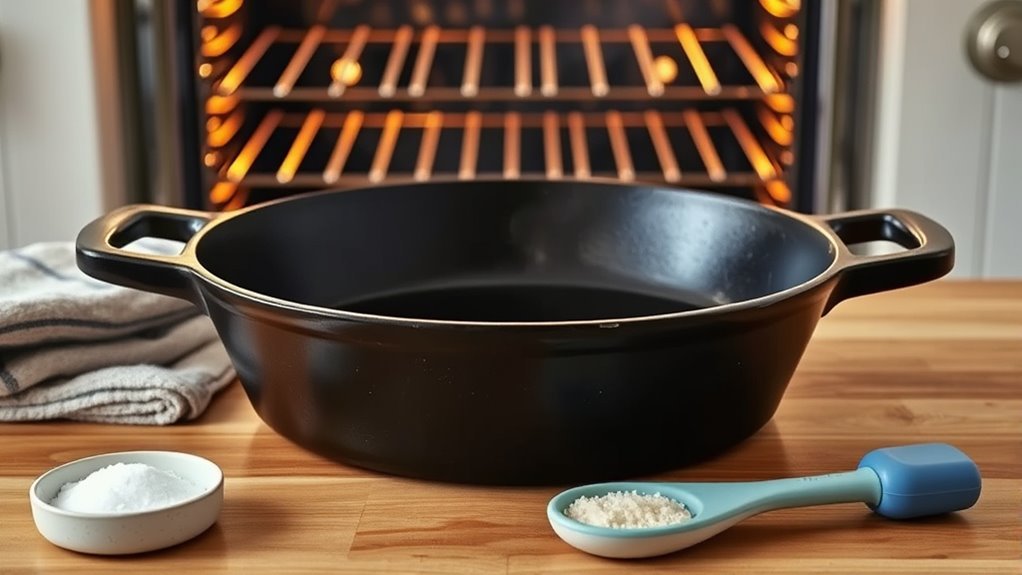
Re-seasoning your cast iron skillet is essential for maintaining its non-stick surface and preventing rust. Whether you’ve noticed food sticking or your skillet looks a bit dull, revitalizing its seasoning can breathe new life into it. This guide will walk you through each step, ensuring you achieve a beautifully seasoned finish. Ready to uncover the secrets of proper care and enhance your cooking experience? Let’s get started.
Why Regular Reseasoning Is Key to Your Cast Iron Skillet’s Longevity
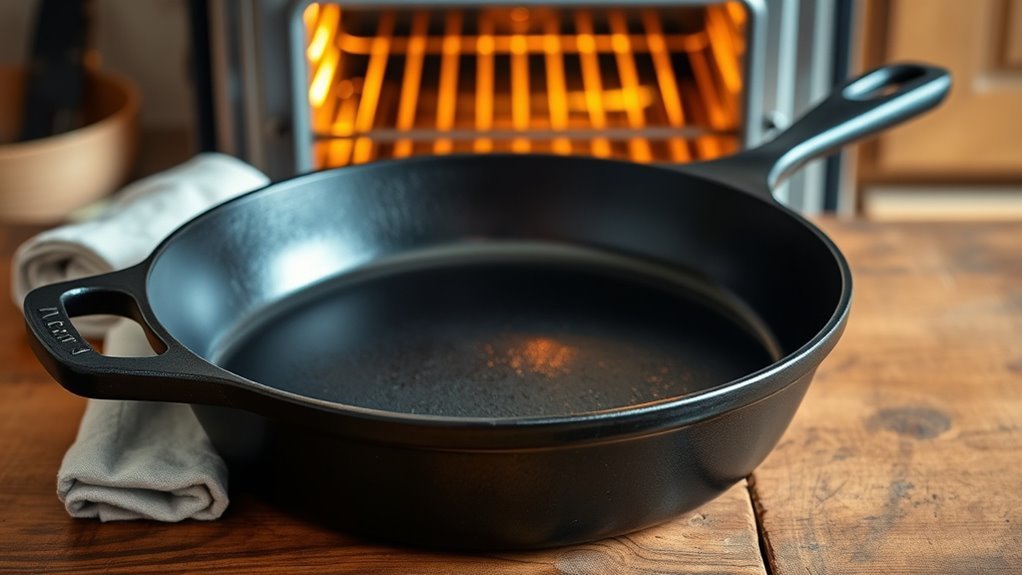
When you regularly re-season your cast iron skillet, you’re not just maintaining its surface; you’re ensuring it stays a reliable cooking companion for years to come. This essential maintenance protects the non-stick surface, allowing your culinary creations to glide effortlessly without sticking.
Each layer of polymerized oil you add enhances the skillet’s heat retention and distribution, making it perfect for everything from searing to baking.
Regular reseasoning greatly boosts your skillet’s longevity, safeguarding it against rust and wear, which can otherwise compromise its lifespan. It also reinforces the protective coating, shielding the skillet from moisture and acidic foods that can cause damage.
By investing time in this practice, you not only restore its non-stick qualities but also identify and address any sticking or uneven surfaces.
Ultimately, a well-maintained cast iron skillet becomes a cherished tool in your kitchen, ready to inspire your culinary adventures.
Step-By-Step Reseasoning Guide
Maintaining your cast iron skillet’s longevity is straightforward with the right reseasoning techniques. Start by washing your skillet with warm, soapy water to eliminate old seasoning and debris, then dry it completely to prevent rust.
Next, apply a thin layer of high smoke point oil, such as vegetable or canola oil, ensuring the skillet doesn’t feel greasy.
- Preheat your oven to 450–500°F.
- Place aluminum foil on the bottom rack to catch drips.
- Bake the skillet upside down for one hour.
After baking, let it cool in the oven; this enhances the bonding of the seasoning through polymerization.
For best results, repeat the oiling and baking process 2-3 times. Each layer of seasoning builds a durable performance, helping your cast iron skillet serve you well for years to come.
Enjoy the freedom of cooking with a beautifully seasoned skillet!
Best Oils for Reseasoning Your Skillet
Choosing the right oil for reseasoning your cast iron skillet is essential for achieving that perfect non-stick surface.
You’ll want to opt for the best oils for reseasoning, like canola oil, vegetable oil, or grapeseed oil. These high smoke point oils resist burning, ensuring a durable layer of seasoning.
If you’re feeling adventurous, consider avocado oil or refined peanut oil, which boast even higher smoke points, perfect for the seasoning process.
Top Mistakes to Avoid During Reseasoning
While reseasoning your cast iron skillet can breathe new life into it, several common mistakes can hinder your efforts. Avoid these pitfalls to guarantee a smooth, durable finish:
- Using Excess Oil: Too much oil leads to a sticky surface. Always buff the pan until it feels non-greasy.
- Insufficient Heating Time: Don’t rush the process! Failing to heat the skillet long enough can prevent the oil from fully polymerizing, leaving weak layers of seasoning.
- Neglecting Regular Maintenance: Regularly using and reapplying cooking oil after cleaning is vital. Neglect can lead to rust and sticking issues.
Troubleshooting Reseasoning Issues
Have you noticed your cast iron skillet isn’t performing as it used to? If food starts sticking or the seasoning looks uneven, it’s time to reseason. Check for signs of flaking or peeling; these occur when oil layers haven’t bonded properly during polymerization. You might need to sand or scour your skillet before applying new seasoning.
Rust can also signal trouble, often from inadequate cleaning or moisture retention. Always dry your skillet immediately after washing and reapply oil to protect the seasoning.
For reseasoning, opt for high smoke point oils like canola or vegetable oil, which create a robust, non-stick surface when heated correctly.
If you face persistent issues, consider a vinegar soak to remove rust or old seasoning, but be cautious with the soak time to prevent damage. With a little care, your skillet can regain its former glory!
Frequently Asked Questions
What Are Some Common Mistakes When Seasoning Cast Iron?
When seasoning cast iron, avoid common mistakes like using the wrong oil—stick to oils with high smoke points for better adhesion.
Clean your skillet thoroughly to remove food residue, and guarantee proper surface preparation.
Don’t skip heat application; preheat your skillet so the oil bonds effectively.
Control the temperature during seasoning, and allow enough time for each layer to set.
Regular seasoning frequency and rust prevention are key to maintaining a durable skillet.
Should I Season Cast Iron at 350 or 450?
When it comes to seasoning cast iron, think of 450°F as the sun to your skillet’s blossoming potential. This temperature activates seasoning oils, ensuring a robust nonstick surface while preventing rust.
While 350°F might feel cozy, it won’t create the durable layers you need. Embrace the heat for effective maintenance tips and cleaning methods, and keep your cooking techniques sharp.
Season regularly for food safety and enjoy the myriad cast iron benefits that follow!
How to Redo Cast Iron Seasoning?
To redo your cast iron seasoning, start by cleaning it thoroughly to remove any residue.
Use high smoke point oils like canola or vegetable oil for the best results.
Heat your oven to 450°F, placing the skillet upside down for even seasoning layers.
Aim to repeat this process every few months for ideal maintenance.
Store it in a dry place, and always apply a light oil layer after cleaning to keep it in top condition.
What Ruins Cast Iron Seasoning?
What ruins cast iron seasoning?
Improper cleaning methods, like using soap or abrasive scrubbers, can strip away the protective layer. Cooking acidic foods damages the seasoning, while poor oil selection leads to sticky surfaces.
To prevent rust, always dry your skillet immediately and store it in a dry place. Regular maintenance, including seasoning frequency and mindful cooking techniques, guarantees longevity.
Keep an eye on those food interactions to protect your skillet’s magic!
Conclusion
In the world of cast iron, “a stitch in time saves nine” rings true—regular reseasoning keeps your skillet in top shape for years to come. By following these steps and avoiding common pitfalls, you’ll guarantee your skillet not only lasts but enhances every dish you create. Embrace the process, and let your skillet develop its character and charm. With just a little care, you’ll enjoy countless delicious meals and memories cooked to perfection.
