

When considering cookware, stainless steel often stands out for its durability and versatility. It’s non-reactive, making it perfect for cooking a variety of dishes, including acidic ones. However, it does have its challenges, like food sticking if not handled properly. So, is it the right choice for your kitchen? Let’s explore the pros and cons, along with the best uses to help you make an informed decision.
What Is Stainless Steel Cookware and How Does It Work?
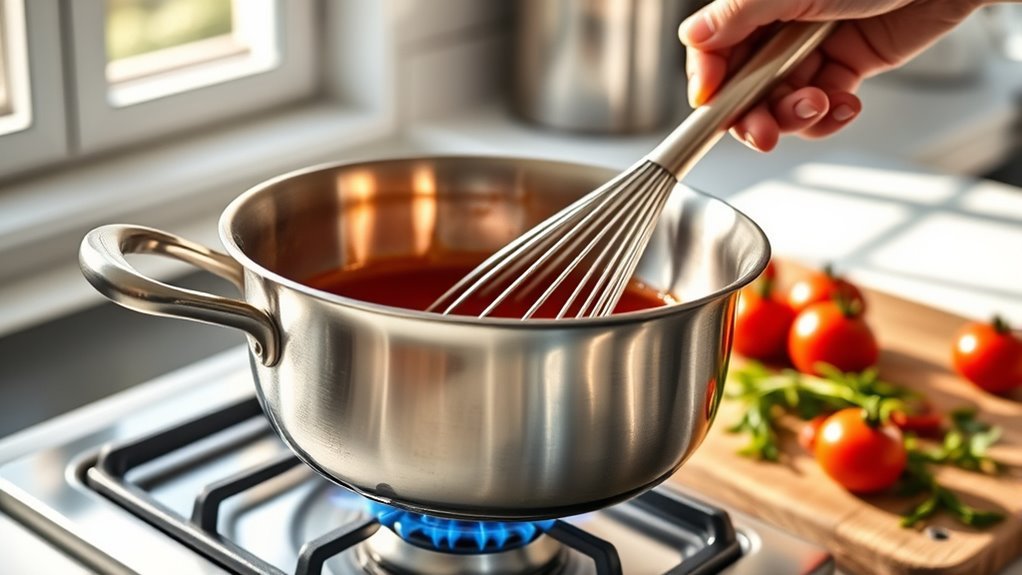
When you think about versatile cookware, stainless steel often comes to mind, and for good reason. This high-quality stainless cookware is typically crafted from an alloy of iron, chromium, and nickel, offering durability and corrosion resistance.
Its multi-ply construction, often incorporating aluminum or copper layers, guarantees superior heat distribution and retention, making every cooking experience efficient.
The non-reactive surface of stainless steel is a game-changer, allowing you to cook acidic foods without worrying about flavor changes or damage to your cookware.
While it isn’t inherently non-stick, proper preheating and the right use of fats can minimize sticking, giving you freedom in the kitchen.
Plus, with low maintenance needs and resistance to staining and rust, stainless steel cookware is designed for various cooking methods, from stovetop to oven.
Embrace the liberation that comes with this reliable culinary companion!
Key Benefits of Using Stainless Steel Cookware
Stainless steel cookware offers a host of benefits that elevate your cooking experience. Made from pure stainless steel, it’s incredibly durable, resisting rust and corrosion for long-lasting use.
Its non-reactive surface allows you to cook acidic foods, like tomato sauces and citrus dishes, without altering their flavors. Thanks to multi-ply construction, you’ll enjoy excellent heat retention and distribution, perfect for searing and browning, ensuring superior cooking performance.
The non-reactive surface of stainless steel cookware allows for perfect cooking of acidic dishes, ensuring pure flavors and exceptional heat distribution.
Unlike non-stick options, using stainless steel encourages you to master cooking techniques by requiring proper preheating and the addition of fats to minimize sticking.
This versatility means you can confidently use it on stovetops, in ovens, or even on induction cooktops, making it suitable for a wide range of culinary tasks.
Embrace the freedom stainless steel cookware brings to your kitchen and enhance your culinary creations!
Common Drawbacks and Solutions for Stainless Steel Cookware
Stainless steel cookware offers great durability, but you might face some common issues.
Food can stick, especially delicate items like eggs or fish, and the initial cost can be higher than non-stick options.
Fortunately, with proper preheating and the right fats, you can minimize sticking, while investing in quality cookware pays off in performance.
Food Sticking Issues
While cooking with stainless steel can yield delicious results, food sticking can be a frustrating experience if you’re not aware of the nuances involved.
To tackle food sticking issues, start with proper preheating; medium-low heat is ideal for your stainless steel pans. Use sufficient fats, like oils or butter, especially with low-fat foods, to create a protective layer on the cooking surface.
Avoid moving your food too soon; let it sear and develop a crust, which helps it release naturally. Additionally, managing heat is essential; high temperatures can exacerbate sticking.
After cooking, clean stubborn residue by soaking and using non-abrasive sponges, ensuring your cookware stays in top shape for your culinary adventures.
Higher Initial Cost
When considering cookware options, many find that stainless steel often comes with a higher initial cost compared to non-stick alternatives. Quality sets usually start around $200 and can soar above $800 for premium models.
However, the durability of stainless steel cookware makes it a wise investment. With proper care, these pots and pans can last decades, justifying that upfront expense through long-term performance.
High-quality stainless steel, like 304 or 316 grades, offers excellent corrosion resistance, while multi-ply construction enhances heat distribution, reducing energy costs over time.
Essential Factors to Evaluate When Buying Stainless Steel Cookware
When you’re shopping for stainless steel cookware, it’s vital to take into account essential features like heat conduction efficiency and the price versus quality ratio.
Selecting the right grade and construction can make a significant difference in your cooking experience.
Keep these factors in mind to guarantee you invest in cookware that meets your needs and lasts for years.
Essential Features To Consider
As you explore the world of stainless steel cookware, it’s essential to take into account several crucial features that can greatly influence your cooking experience. Look for fully clad construction to guarantee even heat distribution and prevent warping, enhancing your culinary creations. The stainless steel grade matters too; 304 (18/8 or 18/10) is common, while 316 offers better corrosion resistance for acidic foods. Weight indicates quality; heavier pieces provide improved heat retention but may be harder to handle. Finally, ergonomic handles and compatibility with your cooking surface, especially induction, can elevate your kitchen efficiency.
| Feature | Importance | Consideration |
|---|---|---|
| Fully Clad Construction | Even heat distribution | Prevents warping |
| Stainless Steel Grade | Durability | 304 vs. 316 for corrosion |
| Weight | Quality indication | Heavier = better heat retention |
| Ergonomic Handles | Comfort during cooking | Improved maneuverability |
Heat Conduction Efficiency
Understanding heat conduction efficiency is vital for selecting the right stainless steel cookware.
Look for pieces featuring multi-ply construction, where layers of aluminum or copper are sandwiched between stainless steel. This design enhances heat conduction and guarantees even temperature distribution, eliminating hot spots.
The thickness of the base and the quality of core materials greatly impact performance, so opt for higher-grade stainless steel, like 304 or 316, for durability.
Proper preheating techniques are essential, as stainless steel requires adequate heating to minimize sticking and achieve the best results.
A fully clad design, with stainless steel encasing the core material, retains heat better, making it perfect for searing and browning.
Elevate your cooking experience with quality cookware that delivers.
Price Versus Quality Ratio
Investing in stainless steel cookware can feel overwhelming with the myriad of options available at varying price points. To make an informed decision, consider the price versus quality ratio. Higher-priced cookware often boasts superior construction, enhancing durability and performance.
| Price Range | Features |
|---|---|
| $100+ (Premium) | Multi-ply design, better heat distribution, longevity |
| $280 (Budget Set) | Balanced quality and affordability, decent performance |
| Weight Consideration | Heavier = better heat retention; lighter = easier handling |
| Added Features | Ergonomic handles, easy to clean |
Invest in reputable brands using 304 or 316 stainless steel for a non-reactive cooking surface. This way, you’re not just buying cookware; you’re making a long-lasting investment in your culinary journey.
Mastering Cooking Techniques for Stainless Steel
Mastering cooking techniques for stainless steel cookware can elevate your culinary skills and transform your dishes.
Start by preheating your pan properly on medium-low heat for a few minutes; this helps create a natural non-stick surface. Don’t forget to use enough fat—like oil or butter—to create a barrier that minimizes sticking.
When searing meat, embrace the searing technique: let it form a crust before moving it, allowing the food to release naturally.
Temperature management is essential; stainless steel conducts heat evenly, so avoid high temperatures to prevent burning.
After cooking, deglazing for flavor is key—adding broth or wine captures those delicious bits stuck to the bottom, enhancing your sauces.
Who Benefits Most From Using Stainless Steel Cookware?
Stainless steel cookware appeals to a broad range of cooks, from beginners to seasoned chefs. If you’re a home cook seeking durability, this cookware stands as a reliable investment that resists rust and corrosion.
Its versatile cooking capabilities allow you to handle everything from acidic tomatoes to rich sauces without any worries. The multi-ply construction guarantees even heat distribution, perfect for achieving that coveted sear or browning, which is essential for gourmet dishes.
For those who value low maintenance, stainless steel is a dream—no seasoning required, and cleanup is a breeze.
Though there’s a learning curve to mastering heat management, you’ll find that this cookware promotes skill development, making you a better cook over time.
Whether you’re whipping up a quick weeknight meal or experimenting with complex recipes, stainless steel cookware is your steadfast companion, ready to elevate your culinary journey.
Caring for Stainless Steel Cookware
Caring for your stainless steel cookware is essential for maintaining its shine and performance over time. Start by cleaning with hot, soapy water, hand-washing to protect its surface quality. While the dishwasher is okay occasionally, nothing beats the care of your hands.
To prevent food from sticking, master heat management—preheat pans on medium-low and test with water droplets; they should bead and roll. Be cautious with acidic foods and salt, as prolonged contact can lead to pitting and stains.
Master heat management to prevent sticking: preheat on medium-low and test with water droplets for best results. Be mindful of acidic foods and salt.
For stubborn residue, use non-abrasive sponges, and consider specialized cleaners like Bar Keepers Friend for tough stains. Regular maintenance, including immediate cleaning after use, not only enhances the longevity of your stainless steel cookware but also guarantees its consistent performance.
Embrace these practices, and watch your cookware shine for years to come!
Comparing Stainless Steel to Other Cookware Materials
When it comes to cookware materials, stainless steel stands out for its unique properties and performance in the kitchen. Unlike reactive materials like aluminum or cast iron, stainless steel is non-reactive, allowing you to cook acidic foods without altering their taste.
While non-stick cookware might offer convenience, stainless steel requires proper preheating and fats, enhancing browning and searing in your dishes.
In terms of durability, stainless steel often trumps ceramic, providing scratch resistance and longevity that can make it a lifetime investment. Though it’s generally heavier, that weight offers better stability during cooking.
You might find that stainless steel excels in heat retention and distribution, though it can be less forgiving with heat management compared to cast iron. Weighing the pros and cons, stainless steel emerges as a reliable choice, balancing performance and durability for your cooking adventures.
Recommended Stainless Steel Cookware Sets for Every Budget
Finding the right stainless steel cookware set can elevate your cooking experience without stretching your budget. Here are some recommended options that cater to various needs and price points:
- All-Clad D3 10-Piece Set ($800): A premium choice known for its exceptional heat distribution and durability, perfect for serious chefs.
- Cuisinart Professional Series 11-Piece Set ($280): This budget cookware delivers solid performance, ideal for beginners and everyday cooking.
- Goldilocks 7-Piece Cookware Set ($235): A great basic option that’s affordable yet includes essential pieces for those starting their culinary journey.
- GreenPan Reserve Pro Stainless Steel Cookware Set ($500): Blending aesthetic appeal with functionality, this set caters to both style and practical needs.
Choosing one of these stainless steel cookware sets guarantees you get the best value while enjoying the benefits of Tri-Ply Stainless and reliable cookware brands.
Frequently Asked Questions
What’s the Downside of Stainless Steel Cookware?
The downsides of stainless steel cookware include durability concerns, as cheaper options can stain or discolor.
You might also notice issues with heat conductivity, leading to uneven cooking if the materials are subpar.
Its weight can be a hassle, especially with larger sets, making it less ergonomic.
Plus, maintenance requirements are higher, and food can react poorly if not managed right.
Ultimately, while stylish, its appearance may fade over time.
Is It Better to Cook With Stainless Steel or Nonstick?
When it comes to cooking, stainless steel shines brighter than a shooting star! Its advantages include superior heat distribution and durability, making it perfect for various cooking techniques.
While nonstick performance offers ease, it can’t match stainless steel’s food safety or longevity. With proper maintenance tips, you’ll enjoy its resilience for years.
If you crave versatility and flavor, stainless steel is your culinary companion, elevating every dish you create!
What Is the Healthiest Cookware to Use?
The healthiest cookware embraces non-toxic options like stainless steel, cast iron, and ceramic.
These materials promote food safety and nutrient retention, allowing you to cook without harmful chemicals.
Opt for eco-friendly choices that guarantee durability and minimize waste.
When you choose cookware with excellent heat conductivity, you enhance your cooking methods, achieving delicious meals without compromising your health.
Embrace these options for a liberating, safe, and sustainable culinary experience!
What Should Not Be Cooked in Stainless Steel?
You shouldn’t cook highly acidic foods, like tomatoes, in stainless steel for long periods, as they can cause discoloration.
High-fat cooking can also lead to sticking, especially with egg dishes or sticky sauces—so always use enough oil.
Dairy products might scorch, and high sugar recipes can caramelize and cling.
While stainless steel is versatile, being mindful of these factors enhances your cooking experience and keeps your cookware in top shape!
Conclusion
To sum up, stainless steel cookware is a fantastic investment for any kitchen. While some might worry about sticking, mastering the right techniques—like proper preheating and using fats—can make all the difference. Embrace its durability and versatility, and you’ll soon discover how enjoyable cooking can be. Whether you’re a novice or a seasoned chef, stainless steel will elevate your culinary experience, making it easier to create delicious meals that impress your family and friends.

