
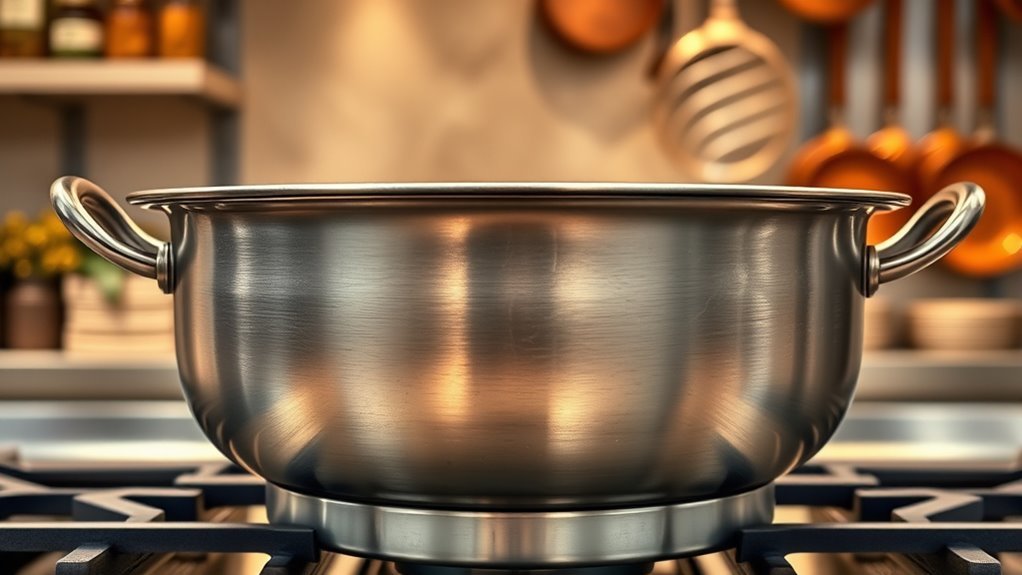
A brazier pot excels in braising, slow-cooking, and creating one-pot meals. With its wide, shallow design, it promotes even heat distribution and browning. Made from durable materials, it’s versatile enough for stovetop or oven use. Whether you’re simmering stews or roasting meats, understanding its features and benefits can enhance your cooking experience. Curious about what sets a brazier pot apart from your other cookware? Let’s explore its unique attributes and practical applications.
What Defines a Brazier Pot?
A brazier pot is a unique piece of cookware, designed specifically for braising and slow-cooking. Its wide, shallow design sets it apart from typical pots, allowing for even heat distribution and effective browning. Made from durable materials like cast iron or stainless steel, these braising pots are built to last, ensuring that your meals achieve the perfect flavor and tenderness.
The heavy-duty construction often includes a tight-fitting lid, which locks in moisture, making your dishes rich and satisfying. With a larger surface area, you can reduce liquids quickly, creating delicious sauces and stews with ease.
Plus, its versatility means you can use it on the stovetop or in the oven, accommodating everything from one-pot meals to baked dishes. Embrace the joy of cooking with this essential tool, and explore the endless possibilities a brazier pot brings to your culinary adventures.
How Does a Brazier Differ From Other Cookware?
When you consider cookware, the brazier pot stands out with its wide, shallow design that enhances cooking efficiency.
Unlike Dutch ovens and skillets, its sloped sides and tight-fitting lid make it perfect for braising and reducing liquids.
Understanding these key features helps you appreciate how a brazier pot can elevate your cooking techniques.
Key Design Features
Brazier pots stand out in the world of cookware thanks to their unique design features. With a wide base and shallow, sloped sides, they facilitate better browning and evaporation of liquids, unlike deeper options like Dutch ovens.
The curved bottom allows for easy stirring and tossing, enhancing your cooking efficiency. Equipped with a tight-fitting lid, braisers lock in moisture, making them perfect for slow cooking methods like braising and stewing.
Their greater surface area is ideal for searing meats and reducing sauces, leading to richer flavors. Available in durable materials like stainless steel, these pots guarantee effective heat distribution, catering to various cooking styles and liberating your culinary creativity.
Cooking Techniques Comparison
While many cookware options serve specific purposes, braziers shine in versatility, especially when it comes to cooking techniques. Here’s how they stand out:
- Browning and Reduction: Their wide, shallow design promotes better browning and faster liquid reduction compared to deeper cookware like Dutch ovens.
- Larger Cuts: Unlike skillets, braising pans are perfect for larger cuts of meat and vegetables, accommodating hearty meals.
- Maneuverability: The curved bottom enhances stirring and tossing, making them ideal for one-pot meals and casseroles.
- Moisture Retention: With a tight-fitting lid, braziers lock in moisture, setting them apart from open cooking pans.
What Materials Should You Consider for Brazier Pots?
Choosing the right material for your brazier pot can greatly impact your cooking experience. Each material offers unique benefits tailored to various culinary adventures.
| Material | Key Benefits |
|---|---|
| Cast Iron | Excellent heat retention, ideal for slow cooking |
| Enameled Cast Iron | Non-reactive surface, easy cleanup, enhances flavor |
| Stainless Steel | Durable, resistant to staining, even heat distribution |
| Aluminum | Lightweight, heats quickly, but avoid acidic foods |
| Copper | Superior heat conductivity, perfect for precise cooking |
When selecting your brazier pot, consider your cooking methods. If you love slow braising, cast iron’s heat retention is unbeatable. For high-volume kitchens, opt for stainless steel’s durability. Enameled cast iron is fantastic for flavor development. Embrace your culinary freedom and choose the material that inspires your cooking journey!
Versatile Cooking Techniques for Brazier Pots
When you want to elevate your cooking game, mastering versatile techniques with brazier pots can transform your culinary creations.
These pots are perfect for a variety of cooking methods, allowing you to explore flavors and textures like never before. Here are some techniques to try:
- Braising Meats: Slow-cook tough cuts to achieve tender, juicy results.
- Stewing: Combine meats and vegetables with broth for a comforting meal.
- Reducing Sauces: Use the wide design for even heat, perfect for thickening sauces.
- One-Pot Meals: Create delicious casseroles or bake dishes seamlessly.
With their oven-safe construction and tight-fitting lids, brazier pots excel in retaining moisture and flavor.
By incorporating these versatile cooking techniques, you’ll not only enjoy flavorful dishes but also embrace the freedom of creative cooking.
Get ready to release your inner chef with your brazier pot!
Essential Features for Selecting a High-Quality Brazier Pot
When choosing a high-quality brazier pot, pay close attention to material quality and size options.
Durable materials like enameled cast iron or stainless steel guarantee your pot lasts, while a wide cooking surface enhances your culinary creations.
Selecting the right capacity not only fits your cooking needs but also makes a significant difference in how your dishes turn out.
Material Quality Considerations
Selecting a high-quality brazier pot involves understanding the unique properties of different materials, as each type offers specific advantages for your cooking needs. Here are key considerations:
- Cast Iron: Look for chip-resistant enamel for durability and even cooking without flavor transfer.
- Stainless Steel: This material resists staining and scratching, making it easy to clean and perfect for long-term use.
- Aluminum: Lightweight and quick to heat, but avoid it for acidic foods to prevent discoloration.
- Tight-Fitting Lid: Essential for moisture retention, ensuring your dishes remain flavorful and succulent.
Additionally, check for compatibility with induction cooktops to expand your cooking options.
Choose wisely, and elevate your culinary experiences!
Size and Capacity Options
Choosing the right size and capacity for your brazier pot can make a huge difference in your cooking experience. Brazier pots come in sizes ranging from 3.5 quarts to 40 quarts, catering to both small meals and large gatherings. The depth varies from 1.75 inches to 10 inches, influencing how you cook different dishes. A larger surface area guarantees even browning and effective evaporation, which is essential for achieving the perfect sauce thickness.
Here’s a quick comparison to guide your choice:
| Size | Capacity |
|---|---|
| Small | 3.5 – 8 quarts |
| Medium | 9 – 20 quarts |
| Large | 21 – 40 quarts |
Opt for stainless steel for durability and heat retention, enhancing your cooking performance.
Top Brands and Models of Brazier Pots
If you’re looking to elevate your cooking experience, exploring top brands and models of brazier pots is a great start.
These pots are essential for braising and simmering, and some of the best options on the market include:
- Le Creuset Enameled Cast Iron Braiser – With a 3.5-quart capacity and weighing 12 lbs 7 oz, it’s versatile for various dishes.
- Staub Cast Iron Braiser – Known for its superior heating and a self-basting dome lid, it weighs 12 lbs 12 oz and retains moisture excellently.
- Misen Enameled Cast Iron Braiser – This model features a squared design, maximizing surface area. It weighs 18 lbs 2 oz and also has a 3.5-quart capacity.
- Tramontina Bestow Enameled Cast Iron Braiser – An affordable option at 13 lbs 3 oz, it’s 5.5 inches tall, perfect for many cooking styles.
Each of these brazier pots combines quality with performance!
How to Keep Your Brazier Pot in Top Shape?
After investing in a high-quality brazier pot, keeping it in top shape guarantees you get the most out of your cooking experience. Here are some essential tips to maintain your pot:
| Tip | Details |
|---|---|
| Use Appropriate Utensils | Avoid metal tools; opt for silicone or wooden ones. |
| Prevent Thermal Shock | Let your pot cool before washing to protect the enamel surface. |
| Clean Carefully | Use hot water and dish soap; avoid abrasive cleaners. |
Regularly check for chips or damage to the enamel; these can lead to rusting if ignored. When storing, place a paper towel between the lid and pot for air circulation, preventing moisture buildup. By following these simple steps, you’ll guarantee your brazier pot stays in excellent condition, enhancing your culinary adventures!
FAQs About Brazier Pots
Wondering what makes brazier pots such a popular choice in kitchens? These versatile cookware pieces are perfect for anyone who loves to create flavorful, slow-cooked meals.
Here are some FAQs to help you get the most out of your brazier pot:
1. What materials are brazier pots made from?
Most are crafted from cast iron or stainless steel, ensuring durability and even heat distribution.
2. What’s the best use for a brazier pot?
They excel at braising meats and stewing ingredients, making them ideal for hearty dishes.
3. Can I use a brazier pot for other cooking methods?
Absolutely! You can simmer, sauté, and even bake with them, making them incredibly versatile.
4. What sizes are available?
Brazier pots range from 3.5 quarts to over 40 quarts, fitting both home and professional kitchens.
With a brazier pot, your culinary creativity knows no bounds!
Frequently Asked Questions
What Is a Braiser Pot Used For?
A braiser pot’s perfect for braising, stewing, and even roasting. You’ll love its benefits, like even browning and moisture retention, which make your dishes flavorful and tender.
Popular recipes include short ribs and casseroles, but you can also whip up one-pot meals or bake biscuits.
With its versatility, you can easily switch from stovetop to oven, enhancing your cooking techniques and liberating your culinary creativity.
Embrace the braiser pot in your kitchen!
Which Braiser Pot Is the Best?
Choosing the best braiser pot can feel overwhelming, but imagine effortlessly creating delicious meals.
Le Creuset’s enameled cast iron braiser excels with its chip-resistant enamel and even heating.
If you prefer a heavier option, Misen’s squared design maximizes cooking space.
Consider ideal braiser sizes for your kitchen, and remember that proper care can enhance longevity.
Don’t shy away from exploring different materials to find your perfect match for culinary freedom!
Can I Use a Braiser Instead of a Skillet?
Yes, you can use a braiser instead of a skillet! With its wider base and better heat distribution, a braiser offers distinct advantages, like improved browning and evaporation.
It’s perfect for various cooking techniques, whether you’re searing meats or slow-cooking stews. Plus, the tight-fitting lid locks in moisture, enhancing flavor.
Do You Really Need a Braiser?
You don’t necessarily need a braiser, but it can truly elevate your cooking experience.
A braiser pot benefits you by allowing versatile cooking techniques, from braising to shallow frying. Its design promotes even heat distribution, helping you create tender, flavorful dishes effortlessly.
If you love one-pot meals and want to enhance your essential kitchen tools, a braiser might just be the upgrade you didn’t know you needed.
Conclusion
In the culinary world, a brazier pot is your trusty Excalibur, ready to transform ordinary ingredients into sumptuous meals. With its ability to braise, simmer, and stew, it’s a versatile ally for any home cook. Whether you’re crafting a hearty stew or a delicate sauce, the right brazier pot can elevate your dishes to legendary status. So, gear up, release your inner chef, and let the magic of slow-cooking begin!
