
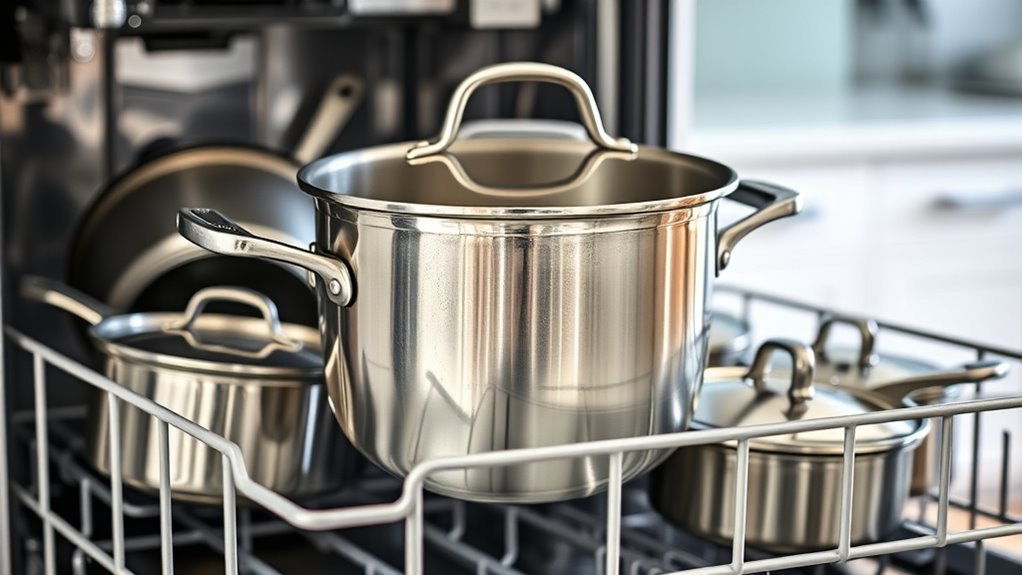
Cleaning up after cooking is easier with a dishwasher, but not every pan should go inside. If you’re wondering whether Cuisinart stainless steel pans are dishwasher safe, the answer depends on your specific model. Here’s how to confirm compatibility, avoid common cleaning damage, and keep your cookware looking its best.
Quick Answer
Yes. Many Cuisinart stainless steel pans are dishwasher-safe, including verified Chef’s Classic, Professional Series, and MultiClad Pro models. Check your pan’s model number and product specifications before loading it. Dishwasher cleaning is permitted on approved models, but handwashing with mild soap and towel-drying better preserves the stainless steel finish.
Can You Put Cuisinart Stainless Steel Pans in the Dishwasher?
)
Yes, you can put many Cuisinart stainless steel pans in the dishwasher. Cuisinart specifically approves machine washing for several stainless steel cookware collections.
However, dishwasher-safe does not mean damage-proof. The company’s official dishwasher-care guidance explains that repeated exposure to strong detergents, heat, and abrasive food particles can gradually affect cookware finishes.
To give you concrete examples, these Cuisinart stainless steel products are officially listed as dishwasher-safe:
- Chef’s Classic Stainless: The 17-piece set, model 77-17N, includes polished stainless steel cookware with aluminum-encapsulated bases and riveted handles. Cuisinart lists the set as dishwasher-safe.
- Professional Series Stainless: The 10-inch skillet, model 8922-24, features a stainless steel body, riveted handle, and dishwasher-safe designation.
- MultiClad Pro Tri-Ply Stainless: The 1.5-quart saucepan, model MCPS19-16N, has an aluminum core, stainless steel lid, and sealed rim design. Its product page confirms dishwasher compatibility.
These examples establish compatibility for the listed products, not every Cuisinart pan ever manufactured. A stainless steel exterior may also contain a nonstick cooking surface, so you should not judge dishwasher safety by appearance alone.
For routine cleaning, you can use the dishwasher when the manufacturer approves it. If maintaining a polished, nearly spotless finish matters more than convenience, handwashing remains preferable.
Find Your Cuisinart Pan’s Dishwasher-Safe Label
The most reliable way to check dishwasher compatibility is to identify your pan’s model number. You should not assume that every Cuisinart pan has a dishwasher-safe symbol stamped on its base.
Cuisinart explains that the model number is generally located on the cookware’s underside, below the brand name. You can then use that number to find the manufacturer’s product specifications.
- Inspect the pan: Look underneath the cookware for the Cuisinart name, model number, and any care markings.
- Identify the model: If the number is difficult to read, examine the original packaging, purchase information, or accompanying instruction booklet.
- Read the product features: Find the corresponding product page and look for the words “Dishwasher Safe” in the Features section.
- Check special components: Review the care instructions for lids, coatings, handles, and any accessories included in the set.
- Resolve uncertainty: If you cannot identify the model or confirm the instructions, contact Cuisinart product assistance or wash the pan by hand.
For example, a plain stainless steel skillet and a ceramic-coated skillet may require different care, even if they belong to the same cookware collection.
The safest cleaning decision comes from the instructions for your exact cookware model, not from its appearance or material alone.
Once you confirm dishwasher compatibility, you can choose between convenient machine washing and gentler handwashing based on how much you want to protect the finish.
When Dishwashers Damage Stainless Steel: Heat, Detergents, Wear
Dishwashers can affect the appearance of stainless steel cookware over time, even when the pan is dishwasher-safe. Most commonly, the damage involves dulling, scratches, mineral deposits, or changes around handles and other components.
Understanding the differences helps you identify ordinary cosmetic wear and problems that deserve attention.
1. Harsh Detergents Can Dull the Finish
Automatic dishwasher detergents are generally stronger than ordinary handwashing soap. Combined with repeated cleaning cycles, they can reduce the shine of polished stainless steel.
A pan may gradually develop a cloudy or matte appearance. This does not automatically mean the cooking surface is unsafe or that the pan has stopped working properly.
2. Other Dishes Can Scratch Stainless Steel
Metal utensils, cutlery, and nearby cookware can rub against your pan during the wash cycle. Food particles and abrasive debris may also contribute to surface marks.
These scratches are often cosmetic, but they can spoil the appearance of a polished pan.
If you choose machine washing, position the cookware securely and leave enough space between it and other metal items. Remove heavy food residue before loading.
3. Repeated Washing Can Affect Handles
Cuisinart warns that repeated dishwasher exposure can stress cookware handles over time. This is a reason to inspect rivets, joints, and handles during regular cleaning.
If a handle becomes loose, a joint develops visible damage, or an edge becomes sharp, stop using the pan until the issue has been assessed.
A stable, undamaged handle matters more than a perfectly polished appearance.
4. Mineral Deposits and Food Residue Can Leave Marks
Hard water can leave cloudy white spots or mineral deposits on stainless steel. These marks often become more noticeable when water dries on the surface.
Long contact with salty or acidic food residues may also contribute to staining or corrosion in certain conditions. Rinse these residues away rather than allowing them to remain on the pan for extended periods.
Remember that not every discoloration comes from the dishwasher. Rainbow-colored or bluish marks can also develop when stainless steel is heated during cooking.
The good news is that many ordinary stains can be cleaned without aggressive scrubbing.
Handwash Cuisinart Stainless Steel: Step-by-Step
Handwashing is a simple way to protect your Cuisinart stainless steel cookware from unnecessary wear. You only need warm water, a mild dishwashing liquid, a soft sponge, and a clean towel.
The most important part is allowing the pan to cool before washing.
Warning: Never plunge a very hot stainless steel pan into cold water. Sudden temperature changes can warp the base. Allow the cookware to cool before washing or soaking it.
- Allow the pan to cool: Remove it from the heat and let it reach a safe handling temperature.
- Prepare warm, soapy water: Add a few drops of mild dish soap, such as Dawn, to warm water in your sink or the pan itself.
- Loosen stuck-on food: Let the soapy water soften grease and residue. For stubborn buildup, allow additional soaking time.
- Clean the cooking surface: Use a soft sponge or cloth to wipe away food. Avoid steel wool, coarse metal pads, and aggressive scrubbing.
- Clean around handles and lids: Gently remove food trapped near rivets, corners, and handle attachments.
- Rinse thoroughly: Wash away soap and loosened food particles with clean water.
- Dry immediately: Use a soft, clean towel to dry the interior, exterior, handles, and lid before storing.
Warm, soapy water and a soft sponge handle most everyday cleaning. Prompt towel-drying is the simplest way to reduce water spots.
What If Food Is Still Stuck to the Pan?
If soaking does not remove stubborn food, apply a small amount of baking soda mixed with water to form a paste. Gently work it over the affected stainless steel surface using a soft sponge.
For tougher cooked-on deposits, add water to the pan and warm it gently on the stove to help loosen residue. Let it cool before wiping the surface clean.
Avoid scraping the pan with knives or other sharp tools. These can leave deeper scratches than ordinary cooking utensils.
If the surface remains rough or stained, use a cleaning product specifically approved for stainless steel cookware. Follow its instructions and rinse thoroughly before the next use.
Maintain Shine: Quick Care Tips for Cuisinart Stainless Steel
The best way to maintain your Cuisinart pan’s shine is to clean it gently and dry it thoroughly. Most everyday marks can be managed without steel wool, harsh chemicals, or aggressive polishing.
Different stains benefit from different cleaning methods. Identifying the mark before treating it can save time and reduce unnecessary wear.
| Action | Result |
|---|---|
| Dry immediately | Reduces water spots and mineral marks |
| Baking soda paste | Helps loosen stubborn residue |
| White vinegar wipe | Helps remove mineral deposits and rainbow discoloration |
How Do You Remove White Water Spots?
White spots are often mineral deposits left behind by water. They are especially noticeable on polished cookware.
Try wiping the cooled pan with a soft cloth and a little white vinegar. Then wash the area with mild soap, rinse thoroughly, and dry.
For persistent marks, a cleaner intended for stainless steel cookware may help.
What Causes Rainbow Discoloration?
Blue, purple, or rainbow-colored marks can develop when stainless steel is exposed to heat. This discoloration is usually cosmetic rather than a sign that the pan is no longer usable.
A little white vinegar applied with a soft cloth can often remove these marks. Avoid aggressive scraping to protect the polished surface.
Should You Polish Stainless Steel With Olive Oil?
Olive oil may temporarily make a surface look shinier, but it is not necessary for maintaining stainless steel cookware. It can also leave an oily film that attracts dust and requires another cleaning.
For cookware used to prepare food, a clean microfiber cloth and proper washing are better everyday choices.
If you use a dedicated stainless steel polishing product, confirm that it is suitable for food-contact cookware. Remove any remaining cleaner according to the product instructions.
How Can You Prevent Scratches During Storage?
Clean, dry pans can still develop scratches when they rub against other cookware in a crowded cabinet.
Store your Cuisinart pans with enough space between them. If you must stack them, place a soft cloth or pan protector between the cooking surfaces.
Also remember that nonstick-coated pans need more careful treatment than uncoated stainless steel. Avoid abrasive cleaning methods on coated interiors, even when the exterior is stainless steel.
Frequently Asked Questions
How Do I Clean My Cuisinart Stainless Steel Pan?
Let the pan cool, then wash it with warm water, mild dish soap, and a soft sponge. Soak stuck-on food before scrubbing. For stains, try a baking soda paste or a little white vinegar, rinse well, and dry with a clean towel.
Is All-Clad at HomeGoods Real?
All-Clad cookware sold at HomeGoods can be genuine. HomeGoods says it buys branded merchandise through several supply channels, but its general policy does not verify a specific pan. Check the product marking, model details, and receipt against All-Clad’s information before buying.
Why Shouldn’t You Put Stainless Steel Pots and Pans in the Dishwasher?
You can put stainless steel pans in a dishwasher when their maker approves it. The downside is gradual dulling, water spots, and scratches from nearby utensils. Handwashing is preferable if you want the finish to stay bright, particularly on polished cookware.
Which Brands of Stainless Steel Cookware Are Dishwasher Safe?
Cuisinart, Calphalon, Tramontina, and some All-Clad stainless steel lines offer dishwasher-safe cookware. The label applies to specific products, not every pan a brand makes. Follow the exact model’s care guide, especially for nonstick coatings, glass lids, and mixed-material pieces.
Can Cuisinart Stainless Steel Lids Go in the Dishwasher?
Some Cuisinart stainless steel sets list their cookware as dishwasher safe, but do not assume every lid has the same care rules. Check the specific set or lid instructions. This matters especially for glass lids with different handles or trim.
How Do You Remove Rainbow Stains From Stainless Steel Pans?
Rainbow or bluish marks on stainless steel are often heat-related and usually cosmetic. Wipe the cooled surface with a little white vinegar and a soft cloth, then wash, rinse, and dry. If a stain remains, use a cleaner approved for stainless steel.
Conclusion
Most Cuisinart stainless steel cookware lines include dishwasher-safe options, but you should always confirm the exact model before machine washing.
If your pan is approved, occasional or regular dishwasher cleaning can be convenient. However, handwashing remains the better choice for protecting its appearance. Use warm, soapy water, avoid abrasive pads, and dry the cookware thoroughly to reduce stains and water spots.
Start by identifying your pan’s model number. That simple check helps you choose the right cleaning method without risking unnecessary damage.
Sources
- Cuisinart: Dishwasher Safe Cookware: Official guidance on dishwasher compatibility, model-number verification, finish wear, handwashing, and drying.
- Cuisinart: Chef’s Classic Stainless 17-Piece Set: Confirms the dishwasher-safe designation for model 77-17N.
- Cuisinart: Professional Series Stainless Skillet: Confirms dishwasher compatibility and construction details for model 8922-24.
- Cuisinart: MultiClad Pro Tri-Ply Stainless Saucepan: Confirms the dishwasher-safe designation and sealed rim construction.
- HomeGoods: How We Do It: Explains the retailer’s off-price sourcing and branded merchandise practices.
- Calphalon: Cookware Use and Care: Supports stainless steel cleaning methods, dishwasher compatibility, and precautions against thermal shock.
- Tramontina: How to Clean a Stainless Steel Pan: Supports dishwasher cleaning considerations, drying, and stainless steel maintenance.
- All-Clad: Care and Use: Supports manufacturer-approved cleaning methods, dishwasher considerations, stain removal, and finish preservation.
