
Choosing the right refillable water dispenser bottle can shape both daily convenience and long-term sustainability. In 2027, a few models stand out for different reasons, from family-friendly capacity to portability and durability. The Brio, Polycarbonate, and Geo Sports options each offer distinct advantages that matter in real use. What separates them is not just size, but how well they fit specific routines and priorities.
Brio B.P.A. Free 5 Gallon Plastic Crown Cap Reusable Water Bottle Container
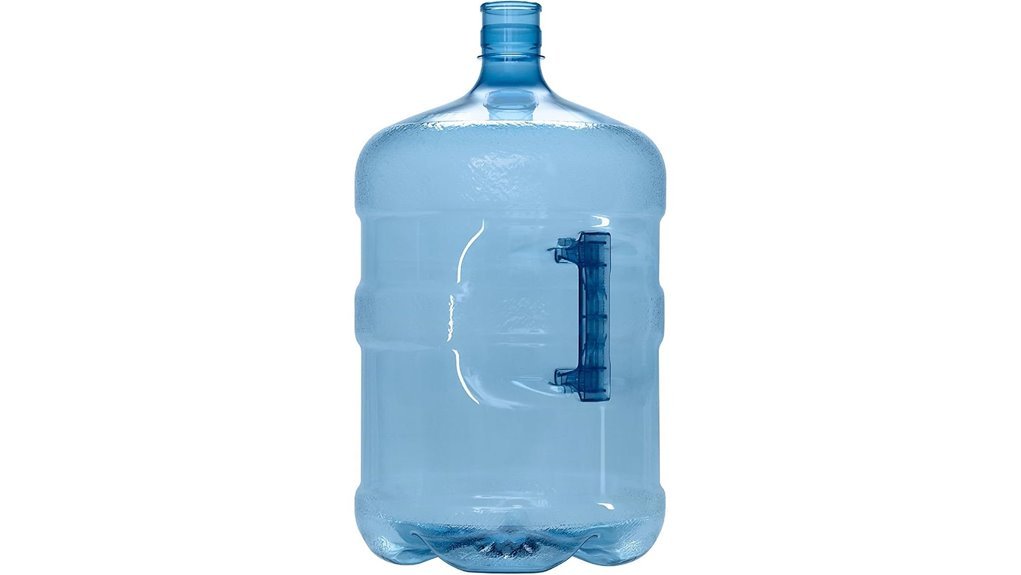
The Brio B.P.A. Free 5 Gallon Plastic Crown Cap Reusable Water Bottle Container is a durable, B.P.A.-free option made from polycarbonate and PET plastic. Measuring 10.75 inches in diameter and 19.5 inches tall, it holds five gallons for reliable use at home, school, office, or outdoors. Its leak-resistant construction and built-in carrying handle support frequent transport and daily handling. The reusable design helps reduce single-use plastic waste, while the crown-top style is intended for snap-on protective lids. It requires hand washing only and carries a 30-day return guarantee through Amazon.com, with manufacturer warranty support available on request.
Best For: Families, students, office users, and outdoor enthusiasts who need a durable, reusable 5-gallon water container for everyday transport and storage.
Pros:
- B.P.A.-free polycarbonate and PET construction for safer repeated use
- Leak-resistant design with a built-in carrying handle for easier transport
- Reusable and eco-friendly, helping reduce single-use plastic waste
Cons:
- Hand wash only, so cleaning is less convenient than dishwasher-safe options
- Lid is not included, which adds an extra purchase
- Large size may be bulky for some storage spaces or users
Polycarbonate Plastic Reusable Water Bottle Container (3 Gallon)
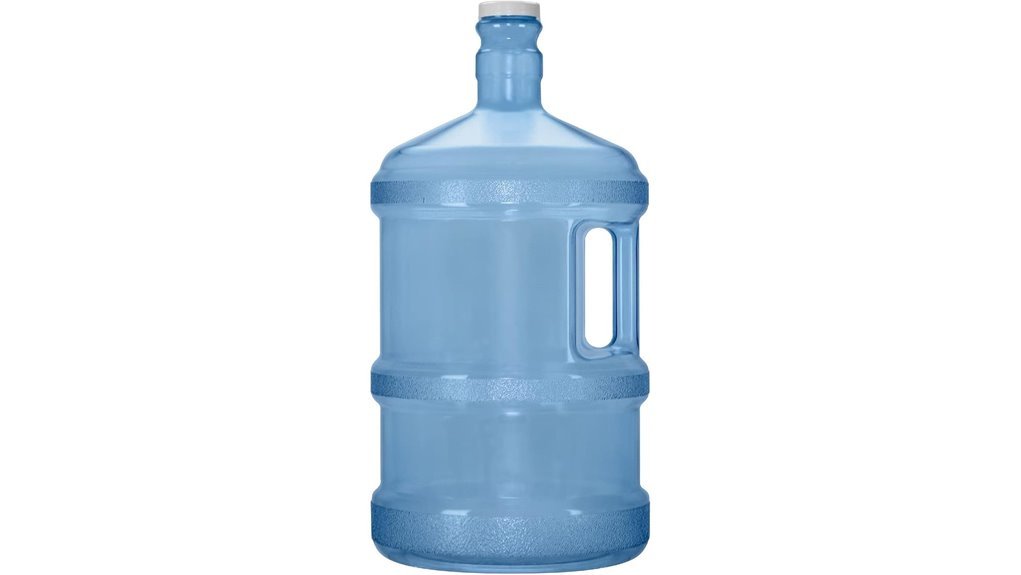
Designed for practical hydration, the 3-gallon polycarbonate reusable bottle suits busy households and active users alike. Its 8.75-inch diameter and 19.75-inch height offer a compact profile, while the 48mm screw cap supports secure filling and dispensing. Built from durable plastic, it is intended to handle rough daily use without easily wearing down. A sturdy carrying handle improves portability for travel, outdoor activity, or office refills. Its reusable construction helps limit single-use plastic waste. Overall, it provides a practical, dependable hydration container for varied settings and routines, balancing capacity, strength, and convenience effectively.
Best For: Busy households, office users, and active people who need a durable, reusable 3-gallon water container for convenient hydration on the go.
Pros:
- Large 3-gallon capacity is useful for frequent refills and shared use
- Durable polycarbonate construction is designed for rough daily wear
- Carrying handle and reusable design improve portability and reduce plastic waste
Cons:
- Large size may be bulky for smaller storage spaces
- 3-gallon capacity can be heavy when full
- Screw cap design may be less convenient than a dispenser-style option
Geo Sports 3 Gallon Round Glass Carboy (BT3GG)
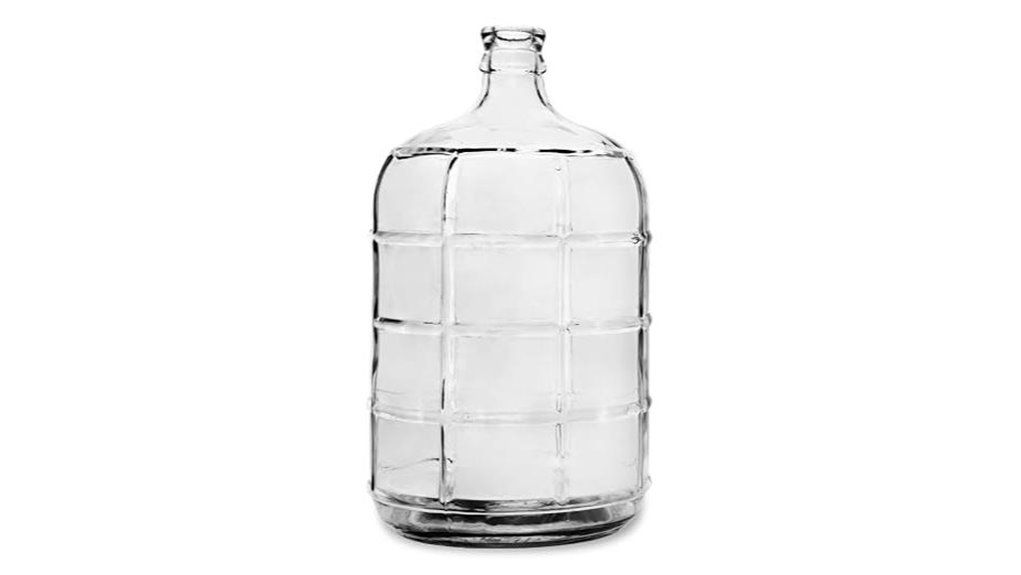
Geo Sports’ 3-gallon glass carboy suits home brewers seeking a durable, contamination-resistant fermenter. Made from premium, scratch-resistant glass, it blocks oxygen and resists odors, helping preserve beer, wine, cider, and mead during fermentation. Its 16-inch height and 9-inch diameter make it compact enough for many setups, while the 4.72-kilogram build adds stability. The vessel fits 30mm cork finishes or 55mm push caps and uses a 6.5 rubber stopper, sold separately. Reusable, recyclable, BPA-free, and made in Italy, it arrives securely packaged in one piece.
Best For: Home brewers who want a durable, contamination-resistant 3-gallon glass fermenter for beer, wine, cider, or mead.
Pros:
- Premium scratch-resistant glass helps prevent odors and contamination.
- Reusable, recyclable, and BPA-free for a more eco-friendly choice.
- Compact size with a stable build, and it comes securely packaged.
Cons:
- The 6.5 rubber stopper is not included.
- Glass construction is heavier and more fragile than plastic alternatives.
- Limited to compatible cork/push-cap fittings, so it may not suit every setup.
Factors to Consider When Choosing Refillable Water Dispenser Bottles in 2026
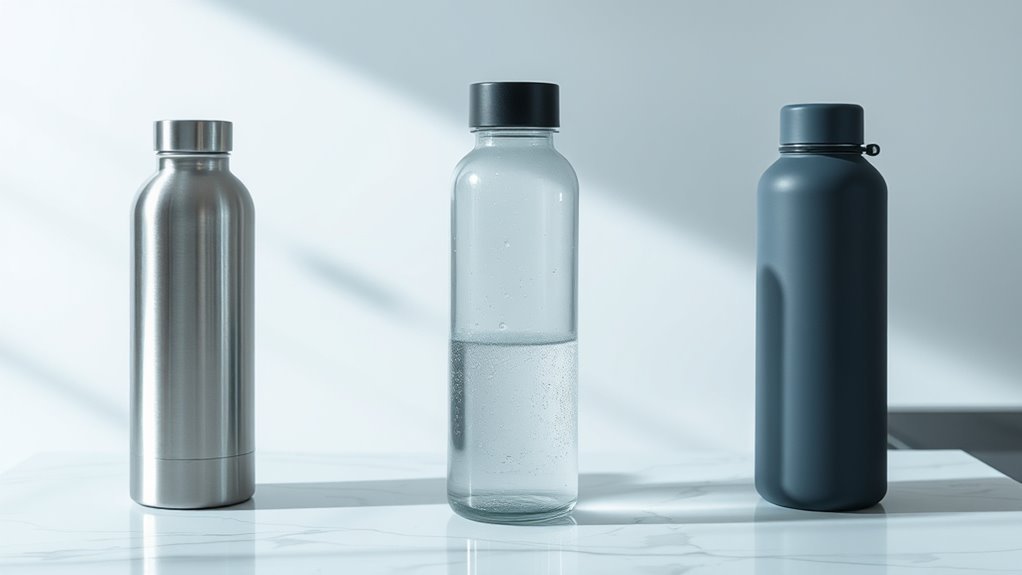
When selecting refillable water dispenser bottles in 2026, material safety should come first, along with the capacity needed for daily use. Durability standards and portability features also matter, since the bottle must withstand repeated handling and transport. Cap compatibility should be checked as well to guarantee a secure fit and reliable dispensing.
Material Safety
Material safety remains a top priority in choosing refillable water dispenser bottles in 2026, with B.P.A.-free materials standing out because they reduce the risk of harmful chemical leaching. High-quality polycarbonate and PET plastic are commonly valued for durability and resistance to wear, supporting long-term use without compromising safety. Premium glass offers another reliable option because it is impermeable to oxygen and does not absorb odors, helping preserve liquid purity. Cleanability also matters, since bottles that are easy to wash and sanitize lower the chance of bacterial growth and contamination. Recyclability is worth noting as well, because materials with better end-of-life processing can reduce environmental impact. Together, these qualities help define safer, more responsible bottle choices.
Capacity Needs
Capacity should be matched to daily water use, since families or shared spaces often benefit from larger 3- or 5-gallon bottles, while smaller sizes are better suited to travel or outdoor use. Daily consumption should guide the choice, because the right size reduces inconvenience and supports consistent access to water. Larger bottles can lower refill frequency, which suits homes, offices, or other long-term settings. Smaller options are easier to carry and fit better in cars, campsites, or brief outings. Storage space also matters, as bigger containers need more room when not in use. Full bottle weight should be considered too, since heavier capacities can be harder to lift, transport, and handle comfortably over time.
Durability Standards
Durability often determines whether a refillable water dispenser bottle remains practical after repeated use. Materials such as B.P.A.-free polycarbonate or premium glass are often preferred because they resist wear and maintain structural integrity over time. Scratch-resistant surfaces help preserve appearance, while impermeable construction limits oxygen exposure and reduces contamination risk. Weight and dimensions also influence durability decisions, since sturdier glass can offer stability but may be less forgiving under frequent handling. A well-designed bottle should include secure screw caps and, where relevant, carrying handles to support daily use and prevent leaks. Manufacturer warranty terms and return policies can further signal long-term reliability, offering clues about the product’s confidence in its own standards.
Portability Features
Beyond long-term durability, portability also shapes how practical a refillable water dispenser bottle is in everyday use. Built-in carrying handles improve transport, especially for hiking, camping, or other active outings. Weight matters as well; lighter materials, including certain plastics or glass alternatives, reduce strain when the bottle is full, which becomes more important in larger capacities. Dimensions should also be reviewed carefully, since narrower bottles tend to fit better in cup holders, backpacks, and tight storage spaces. A design that supports smooth pouring and refilling helps reduce spills during travel or outdoor events. Overall portability depends on a balance of manageable weight, convenient shape, and easy handling, all of which make the bottle simpler to carry and use away from home.
Cap Compatibility
Cap compatibility is a key factor in choosing a refillable water dispenser bottle because the right cap creates a secure seal and helps prevent leaks. A proper match helps preserve water quality by limiting exposure to air and contamination. Bottle size and design often determine whether a crown-top, screw cap, or other closure is needed, and these types can differ widely across brands. The correct cap also improves usability, since a tight fit reduces spills during carrying or storage. Compatibility matters for specialized bottles as well, including fermentation models that may use stoppers or unique closures. Long-term value depends on whether replacement caps are easy to find, because a bottle is far less useful when its original cap cannot be replaced.
Cleaning Ease
Cleaning ease is a major consideration when choosing a refillable water dispenser bottle in 2026, since bottles with smooth materials like glass or high-quality polycarbonate are less likely to stain or absorb odors. Wide openings make scrubbing simpler, while ergonomic shapes help reach corners where residue can collect. Glass can tolerate abrasive scrubbers, but other plastics may need softer tools to avoid scratches that trap bacteria. Dishwasher-safe labels can further reduce effort, allowing effective cleaning without repeated manual work. A regular maintenance schedule also matters, especially for reusable bottles used daily. Consistent washing helps prevent mold and bacterial buildup, preserving safe hydration and keeping the bottle in reliable condition over time. Careful attention to these details improves everyday convenience and cleanliness.
Sustainability Benefits
Sustainability benefits are a key factor when choosing refillable water dispenser bottles in 2026, since they reduce reliance on single-use plastics and help limit waste. Reusable bottles made from BPA-free plastics or glass can lower environmental impact by reducing waste across their lifecycle. Their durability supports repeated use, making them a more sustainable choice than disposable alternatives that quickly end up discarded. Over time, refillable options also cut costs by reducing repeated purchases of bottled water. Beyond individual savings, they encourage broader eco-friendly habits by normalizing reuse in daily hydration routines. For consumers focused on long-term environmental responsibility, refillable water dispenser bottles offer a practical way to support conservation while maintaining convenience and dependable hydration.
Frequently Asked Questions
How Often Should Refillable Water Dispenser Bottles Be Sanitized?
Refillable water dispenser bottles should be sanitized every one to two weeks, and immediately after any visible contamination, illness, or prolonged storage. More frequent cleaning is advisable in warm conditions or when bottles are reused often. A thorough wash with warm water and mild soap, followed by disinfecting and complete air-drying, helps reduce bacteria, mold, and odors. Regular sanitation preserves water quality and keeps the bottle safe for repeated use.
Can Refillable Bottles Be Safely Used for Hot Liquids?
Refillable bottles can be used for hot liquids only if the manufacturer explicitly states they are heat-safe. Many plastic bottles may warp, leach chemicals, or weaken when exposed to high temperatures. Stainless steel and certain glass bottles are usually safer choices. Even then, lids and seals may not tolerate heat. It is best to check material ratings, avoid boiling liquids, and let drinks cool slightly before filling to reduce risk.
What Signs Indicate a Refillable Bottle Needs Replacement?
A bottle should be replaced when cracks, deep scratches, persistent odors, discoloration, warping, or leaking appear. For example, a traveler noticing a faint plastic smell after every refill would have a clear warning sign. If threads no longer seal, caps loosen, or staining remains after washing, the container is likely deteriorating. Regular inspection matters, because worn materials can harbor bacteria and reduce safety over time.
Are Refillable Dispenser Bottles Compatible With All Water Coolers?
No, refillable dispenser bottles are not compatible with all water coolers. Compatibility depends on the bottle neck size, cap design, cooling unit type, and loading method. Some coolers require specific threaded tops or no-spill valves, while others accept standard universal bottles. A detached assessment would recommend checking the cooler’s specifications before purchase. When dimensions and fittings match, performance is usually reliable, but mismatches can prevent proper sealing, dispensing, or stable placement.
How Can I Remove Stubborn Odors From Reusable Water Bottles?
Stubborn odors can usually be removed by soaking the bottle in warm water with baking soda or white vinegar, then scrubbing it thoroughly with a bottle brush. Heavier smells may respond to a paste of baking soda and water left inside overnight. The bottle should be rinsed well and air-dried completely with the cap off. If odors persist, a mild dish soap wash or diluted hydrogen peroxide soak may help.
Conclusion
To summarize, the Brio B.P.A. Free 5 Gallon bottle delivers durable dependability for families and outdoor use, while the Polycarbonate 3 Gallon container offers portable practicality for busy routines. The Geo Sports 3 Gallon Glass Carboy brings scratch-resistant, sustainable style for home brewers. Together, these three stand out for strength, simplicity, and sensible sustainability. Choosing among them depends on space, use, and personal preference, but each provides a reliable, reusable hydration solution.