
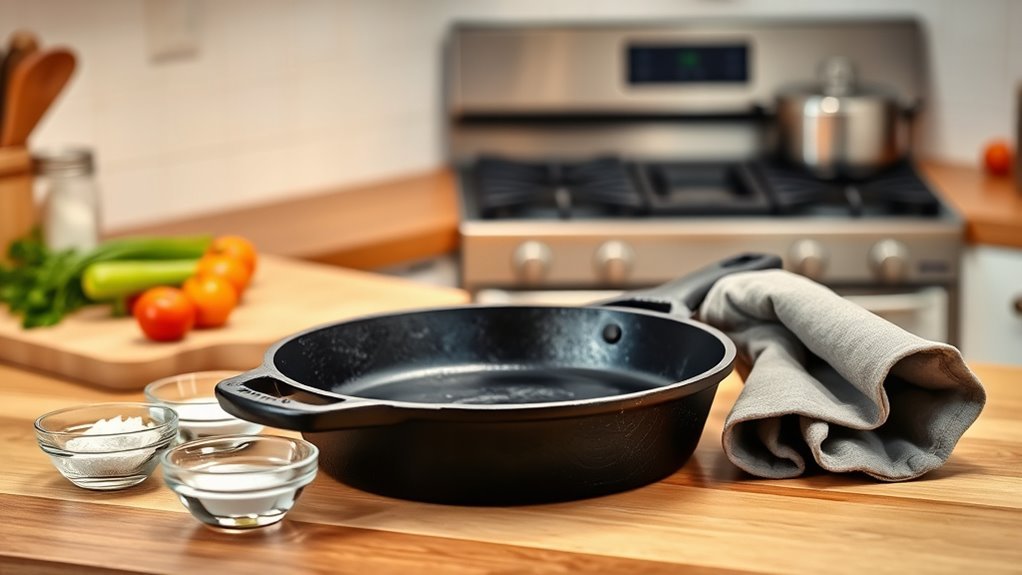
You might think cast iron pans are the holy grail of cookware, but their safety isn’t as straightforward as it seems. While they offer benefits like boosting iron intake, risks like lead contamination in vintage pieces can’t be ignored. Understanding the materials and maintenance required is essential. What happens if you don’t take the right precautions? The answers might surprise you as we explore the nuances of cast iron cookware safety.
The Safety of Cast Iron Cookware: What You Need to Know
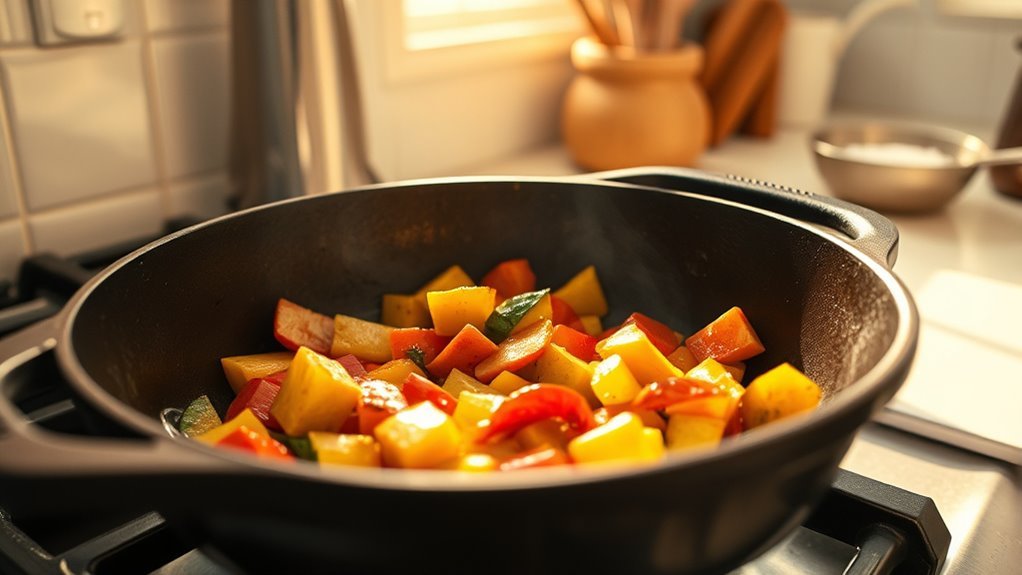
When it comes to the safety of cast iron cookware, what should you really know? A cast iron skillet is generally safe for cooking and can actually benefit those with iron deficiencies by leaching iron into food.
However, if you own vintage or painted cast iron, it’s vital to test for lead contamination using lead test strips. Proper seasoning is key; it enhances non-stick properties and prevents rust, ensuring your skillet remains a durable kitchen companion.
While many find cast iron cooking safe, individuals with specific health concerns should be aware of potential contaminants. Regular maintenance, including appropriate cleaning and re-seasoning, is essential for both the longevity and safety of your cast iron cookware.
What Are the Risks of Lead Contamination in Cast Iron Cookware?
When using cast iron cookware, you need to be aware of potential lead contamination, which can stem from lead-based paints or impurities in the metal.
It’s essential to test your cookware with lead test strips to guarantee it’s safe for food preparation.
If your pan tests positive for lead, repurpose it for non-food uses to protect your health.
Lead Sources in Cookware
How can you guarantee that your cast iron cookware is free from lead contamination?
First, be aware that lead can lurk in vintage or poorly made pieces, often due to lead-based paints or coatings.
It’s essential to test your cookware with lead test strips; if you get a positive result, it’s unsafe for cooking.
Remember, the U.S. safety standard for lead in cookware is 90 ppm, and exceeding that level poses serious health risks, especially for children and pregnant individuals.
If you discover contamination, consider repurposing the pan creatively—as a decorative item or planter—rather than discarding it.
Vigilance and testing are key to ensuring your cooking environment remains safe and liberated from lead exposure.
Testing Methods Available
Understanding the risks associated with lead contamination in cast iron cookware is essential for maintaining a safe cooking environment. Effective testing methods are available to verify your cookware is safe for use. Lead test strips are a popular choice, easily obtainable online, and typically include tutorials for accurate results.
| Testing Method | Description | Safety Level |
|---|---|---|
| Lead Test Strips | Quick, user-friendly checks | >90 ppm is unsafe |
| Professional Testing | Laboratory analysis | Most accurate results |
| DIY Acid Test | Simple home test | Varies by method |
If your cast iron pan tests positive for lead, it’s best to repurpose it for non-food uses. Awareness and testing contribute to better iron cookware safety and informed consumer choices.
Testing Cast Iron Cookware for Safety
Although cast iron pans are celebrated for their durability and cooking performance, testing them for safety is essential to affirm they’re free from harmful contaminants like lead. Regular testing cast iron cookware for safety helps guarantee your kitchen remains a healthy space.
You can easily use lead test strips, which are widely available, to check your pans. Tutorials on platforms like YouTube make the process straightforward, empowering you to take control of your cookware safety.
If you find that your cast iron pan tests positive for lead, it’s best to repurpose it for non-food uses—think planters or decorative items. Engaging in community discussions about test results raises awareness and fosters a culture of safety.
Common Myths About Cast Iron Cookware and the Truth Behind Them
Myths surrounding cast iron cookware often lead to misconceptions that can affect your cooking experience and safety. One common myth is that all cast iron pans contain lead; however, testing can confirm their safety.
Seasoning isn’t about adding flavor but rather enhancing non-stick properties and preventing rust. You might worry about health risks, but cooking with cast iron is safe for healthy individuals, actually leaching beneficial iron into your meals without links to conditions like Alzheimer’s.
Additionally, many believe that soap damages the seasoning on cast iron; in reality, mild soap is safe and can help prevent rust when used promptly.
Finally, while cast iron pans are heavier than alternatives, their durability and superior heat retention are significant advantages. Understanding these truths allows you to fully enjoy the benefits of cast iron cookware without fear or misunderstanding.
Creative Ways to Repurpose Contaminated Cast Iron Pans
If you find yourself with a contaminated cast iron pan, don’t rush to toss it out; there are plenty of creative ways to repurpose it. Transforming these pans can’t only save waste but also add a unique touch to your home.
- Create decorative wall art by painting or refurbishing the pan.
- Turn it into a rustic clock or a charming candle holder.
- Use it as a unique planter for your indoor or outdoor garden.
- Convert it into fishing weights for your outdoor adventures.
These ideas not only give new life to your contaminated cast iron pans but also encourage sustainable practices.
Maintenance Tips to Keep Your Cast Iron Safe and Functional
Repurposing contaminated cast iron pans can spark creativity, but guaranteeing your functional cast iron remains safe is equally important.
To maintain your cast iron pots and pans, regularly season them with a thin layer of oil. This keeps their non-stick surface intact and prevents rusting.
After washing, always dry your cast iron thoroughly to avoid moisture buildup, which can lead to corrosion.
When cleaning, use mild soap and a soft scrubber; harsh scrubbing can damage the seasoning layer.
It’s wise to avoid cooking acidic foods in unseasoned cast iron, as they can strip the seasoning and compromise the pan’s integrity.
Finally, store your cast iron in a dry place, ideally with a paper towel between stacked pans to absorb moisture and prevent rust.
How Does Cast Iron Stack Up Against Other Cookware?
When comparing cast iron to other cookware options, it’s essential to evaluate both performance and maintenance. Cast iron pots and pans excel in high-heat cooking, but they can develop hot spots, leading to uneven results.
In contrast, stainless steel pans provide consistent heat distribution and are generally lighter, making them easier to handle, especially when hot.
- Stainless steel is resistant to rust and staining, requiring less upkeep.
- Cast iron needs regular seasoning to prevent corrosion.
- Stainless steel cookware is versatile, suitable for all stovetops, including induction.
- The durability of stainless steel allows for easier cleaning.
Ultimately, while cast iron offers unmatched heat retention, stainless steel shines in maintenance and everyday usability. Knowing these differences will help you choose the right cookware for your kitchen needs.
Frequently Asked Questions
Why Did We Stop Using Cast Iron?
You stopped using cast iron largely due to the rise of non-stick cookware, which made cooking and cleaning easier.
Historical context shows that concerns over heavy metals, like lead, also played a role in shifting preferences.
Additionally, the introduction of lighter options like ceramic-coated and stainless steel cookware appealed to many.
Misunderstandings about the care required for cast iron further discouraged its use, overshadowing its durability and excellent heat retention.
Which Is Healthier, Cast Iron or Stainless Steel?
When it comes to health, cast iron takes the crown, leaching beneficial iron into your meals. If you’re battling iron deficiency, it’s like a secret weapon in your kitchen arsenal.
However, stainless steel offers even heat distribution, which can enhance your cooking techniques, ensuring perfect results every time.
While cast iron demands care and attention, stainless steel’s low maintenance makes it a convenient choice.
Ultimately, your choice depends on your cooking style and health needs.
Are All Cast Iron Pans Non-Toxic?
Not all cast iron pans are non-toxic. Some vintage or poorly made options might contain harmful materials like lead.
To verify you’re cooking safely, research brands known for rigorous testing, like Smithey or SolidTeknics, which guarantee lead-free products.
When purchasing, consider seasoning safety as well; proper seasoning can enhance a pan’s safety and performance.
Always use lead test strips on older pans to confirm their safety for your kitchen.
What Are the Downsides of Using Cast Iron Pans?
Using cast iron pans has its downsides. The weight can be a significant consideration, especially when full, making them tough to handle and increasing spill risks.
They require regular seasoning to maintain non-stick properties, which some find tedious. Plus, hot spots can lead to uneven cooking, while improper drying might cause rust.
Ultimately, their porous nature can absorb flavors, potentially affecting future dishes if not cleaned and seasoned well.
Conclusion
To summarize, cast iron pans can be a healthy addition to your kitchen when properly maintained. Notably, studies show that cooking with cast iron can increase the iron content of your food by up to 20%, which is beneficial for those with deficiencies. By staying informed about lead contamination and following safe cleaning practices, you can enjoy the many advantages of cast iron cookware. Remember, with the right care, your pans can last a lifetime and enhance your culinary experience.
