
The best wood chippers in 2027 balance power, capacity, and easy cleanup. Yeryork and LawnMaster suit small yards with 1.8-inch cutting limits, while AIVOLT adds self-feeding convenience. MechMaxx handles big jobs with a 6-inch intake and towable design. C40 offers a 4-inch capacity and strong mulch reduction. SuperHandy, S3, and other 7HP gas models fill the middle ground. Each one fits a different yard task, and the details below clarify which is best.
Yeryork Electric Wood Chipper, Max 1.8″ Cutting Capacity Chipper Shredder
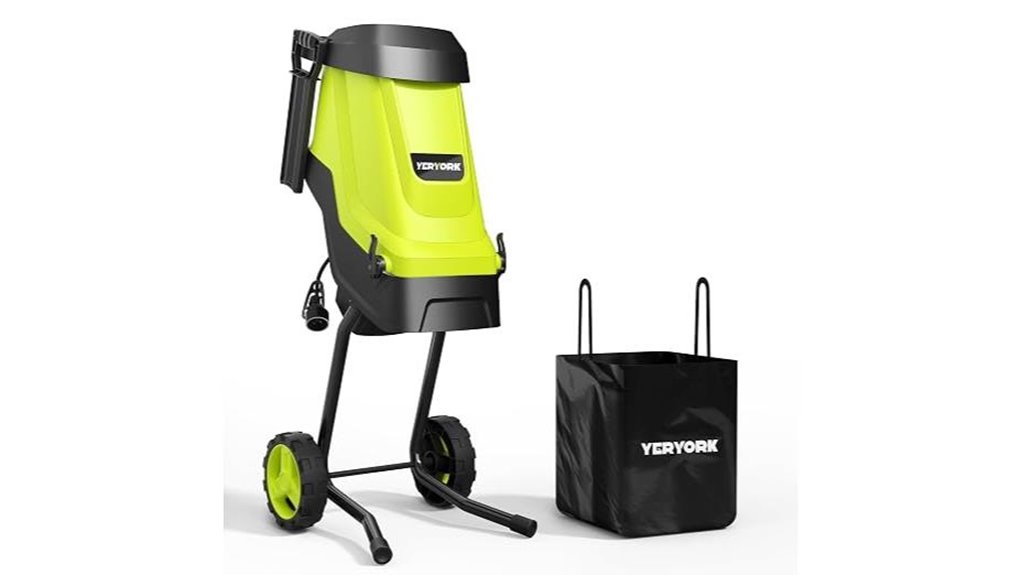
The Yeryork Electric Wood Chipper is a strong fit for homeowners who need a compact, reliable machine for routine yard cleanup. Its 15A motor spins at 4000 RPM and handles branches up to 1.8 inches through a dual-chute hopper that helps reduce jams and kickback. SK5 high-carbon steel blades are sharp, reversible, and built for longer service. A 21:1 reduction ratio turns yard debris into manageable chips for composting. Safety features include automatic power cut and a safety interlock. Rugged polypropylene housing with IPX4 resistance adds durability outdoors.
Best For: Homeowners looking for a compact, dependable electric wood chipper for routine yard cleanup and branch reduction up to 1.8 inches.
Pros:
- Dual-chute hopper helps reduce jams and kickback when feeding different branch sizes.
- SK5 high-carbon steel blades are sharp, reversible, and designed for longer service life.
- 21:1 reduction ratio turns yard waste into compact chips that are useful for composting.
Cons:
- Limited to branches up to 1.8 inches, so it is not suited for larger limbs.
- Not intended for materials like leaves, roots, bamboo, straw, hay, or frozen branches.
- Electric operation and safety cutoffs may reduce convenience for heavy-duty or nonstop use.
MechMaxx 6” E-Start Wood Chipper with 4-Wheels, ZONSEN 420cc 15hp Engine
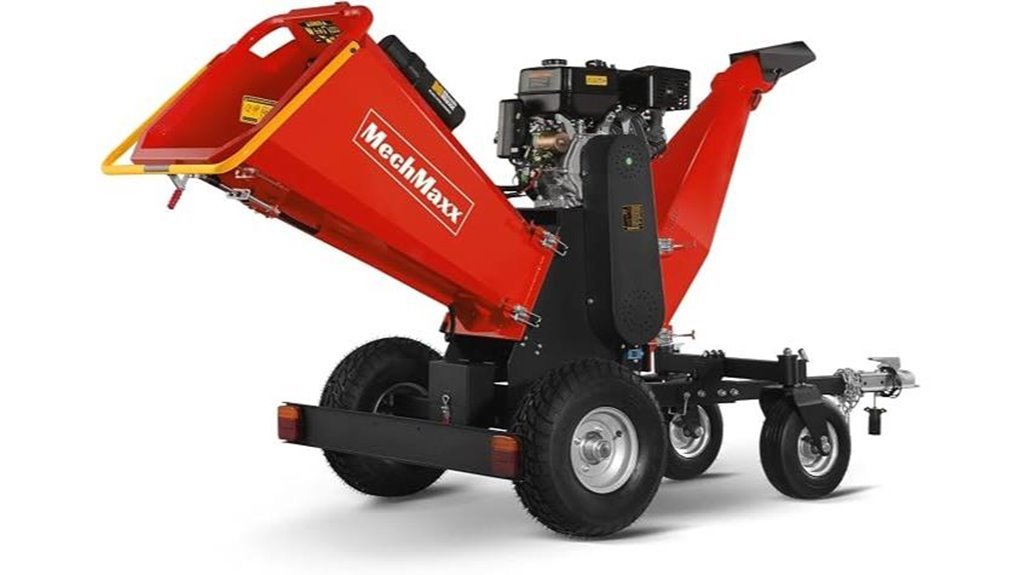
Built for demanding cleanup jobs, the MechMaxx 6” E-Start Wood Chipper suits large properties and landscaping crews. Its ZONSEN 420cc 15hp, air-cooled OHV engine and 12V20Ah battery support easy starting and strong throughput, while the machine accepts branches up to 6 inches thick. A 48-inch wheelbase, trailer bar, 19-inch rear wheels, and foldable 13-inch front wheels improve towing and positioning. The 360° discharge chute aids debris control. Safety features include an emergency stop, limit switch, and synchronized tail lights. A8 blades and Kevlar belts add durability and reduce maintenance.
Best For: Landscaping crews, large-property owners, and green-waste cleanup teams that need a towable wood chipper for heavy-duty branch processing and debris control.
Pros:
- Handles branches up to 6 inches thick with a strong 15hp ZONSEN engine and electric start.
- Tow-friendly design with a trailer bar, 48-inch wheelbase, and large wheels for easier mobility.
- Safety and durability features like an emergency stop, limit switch, A8 blades, and Kevlar belts.
Cons:
- Large and heavy, so it’s less convenient for small yards or occasional light-duty use.
- Performance may be reduced on dry hardwood, producing smaller pieces than soft-branch tests.
- Requires towing setup and space for storage, which may be limiting for some users.
C40 Wood Chipper 4″ Max Diameter 9 HP
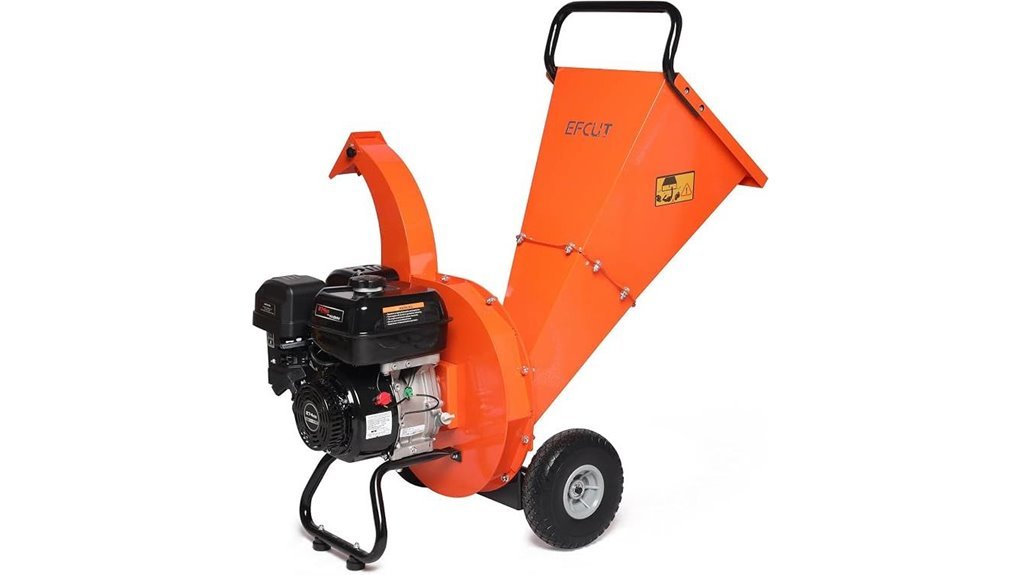
With a 9HP engine and 4-inch cutting capacity, the C40 suits demanding yard cleanup. Its 274CC heavy-duty engine supports faster chipping, while the larger 15.9% flywheel improves efficiency and helps reduce downtime. The machine handles branches, sticks, brushes, and general garden debris, converting waste into mulch with a 15:1 reduction ratio. A roomy feeding hopper and adjustable discharge chute improve handling and chip direction. Built with reinforced L-bracket mounting and a heavy-duty frame, it targets long-term reliability. Assembly is straightforward, and a one-year warranty plus customer support add practical reassurance for users.
Best For: Homeowners, landscapers, and property owners who need a powerful wood chipper for heavy-duty yard cleanup, branch reduction, and mulching.
Pros:
- 9HP 274CC engine delivers strong chipping performance for demanding tasks.
- Handles branches up to 4 inches thick and offers a 15:1 mulch reduction ratio.
- Durable build with reinforced mounting, plus a roomy hopper and adjustable chute for easier use.
Cons:
- Not suitable for fresh greens and some other materials.
- Assembly is straightforward, but the machine may still be bulky for some users to move or store.
- Best performance requires careful safety precautions and proper operation.
AIVOLT Electric Wood Chipper, 15-Amp Chipper Shredder
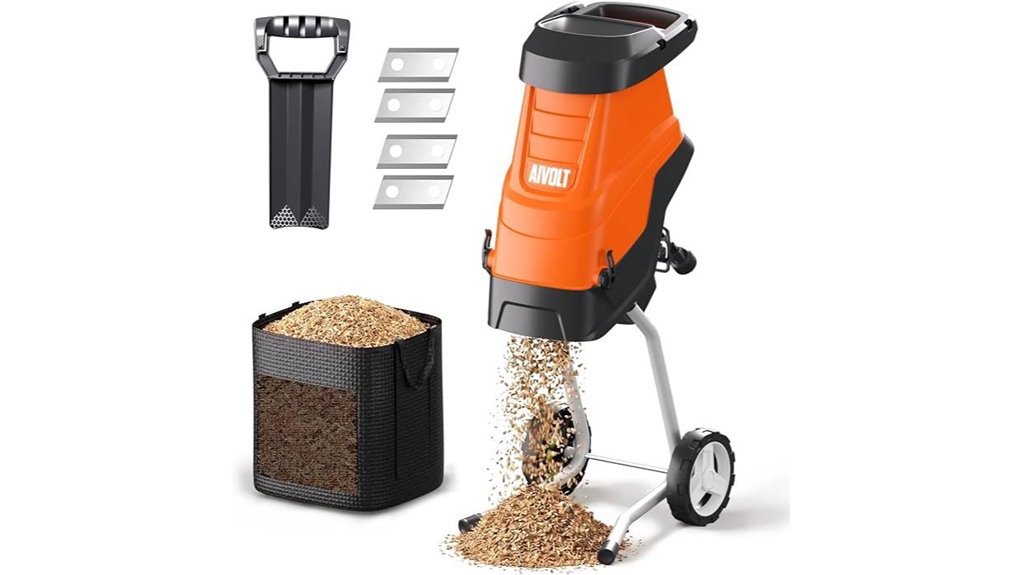
AIVOLT’s 15-amp motor suits homeowners needing serious shredding power without gas engine upkeep. Its 1800W, 4000 RPM setup shreds branches up to 1.8 inches thick, while the 18:1 mulching ratio turns yard debris into compact mulch efficiently. The 45L collection bag uses an anti-blowout design to help keep dust and chips contained. Self-feeding operation and anti-jam technology reduce interruptions, and the safety knob still works after blockages. SK5 dual-edge blades deliver clean cuts, with two spares included. Overload protection, a safety interlock, and 7-inch wheels improve control and mobility.
Best For: Homeowners with medium-to-large residential yards who want a powerful, low-maintenance electric chipper for turning branches and yard debris into mulch.
Pros:
- Strong 15-amp, 1800W motor with 4000 RPM performance
- Handles branches up to 1.8 inches thick with an 18:1 mulching ratio
- Self-feeding design, anti-jam tech, and included replacement blades improve convenience and longevity
Cons:
- Electric corded design limits portability compared with gas models
- Best suited for residential use rather than heavy-duty commercial cleanup
- Collection bag capacity may still require frequent emptying during larger jobs
LawnMaster Electric Wood Chipper 1.8” Cutting Diameter with Bag, FD1503
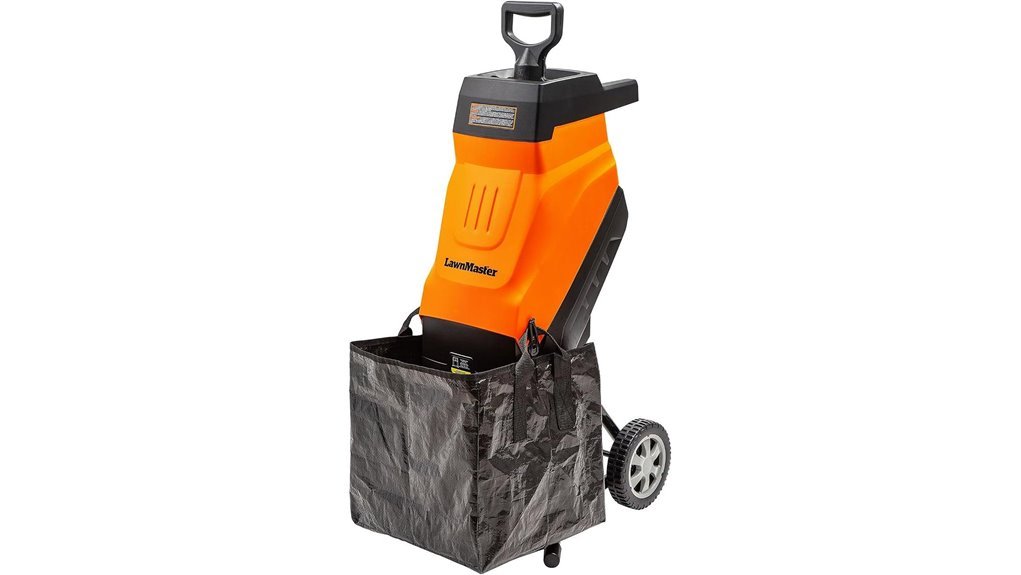
LawnMaster’s FD1503 suits homeowners needing compact cleanup for branches up to 1.8 inches. Its 15-amp motor powers a two-sided blade spinning at 3,700 RPM, helping it turn yard waste into usable mulch efficiently. The included bag supports a reduction of up to 14 bags of debris into one bag of mulch, making disposal simpler. Built from dent-resistant polypropylene, it measures 25.2 x 12.8 x 14 inches and weighs 23.2 pounds. An included push paddle improves feeding safety and ease. Customer service handles warranty inquiries, adding practical support for owners.
Best For: Homeowners who want a compact, easy-to-use electric wood chipper for routine yard cleanup and turning small branches into mulch.
Pros:
- Handles branches up to 1.8 inches with a 15-amp motor and 3,700 RPM cutting speed.
- Reduces yard debris significantly, turning up to 14 bags into 1 bag of mulch.
- Lightweight and durable design with included push paddle for safer, easier feeding.
Cons:
- Limited to smaller branches, so it is not suited for heavy-duty chipping.
- Electric corded operation may restrict range and require access to power.
- At 23.2 pounds, it is portable but may still be awkward for some users to move frequently.
SuperHandy Wood Chipper Shredder Mulcher 7HP 3-in-1
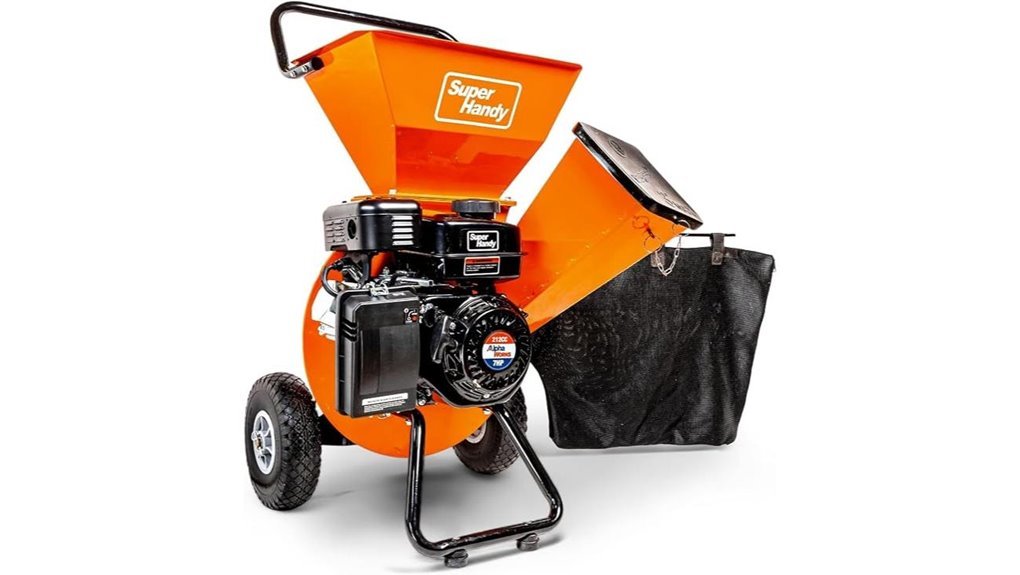
SuperHandy’s 7HP 3-in-1 chipper suits users needing a compact, heavy-duty yard cleanup tool. Its 7HP horizontal 4-stroke OHV gas engine handles branches up to 3 inches, while the 3-in-1 system chips, shreds, and mulches efficiently. The top hopper achieves a 15:1 reduction ratio for lighter debris, and the side chute manages limbs. A slanted housing helps limit jams. EPA/CARB certification adds compliance value. It fits forestry, landscaping, and garden work, though fresh greens, vines, pine cones, palm branches, and petrified wood are unsuitable.
Best For: Homeowners, landscapers, and forestry users who need a compact, heavy-duty 3-in-1 chipper/shredder/mulcher for branches, brush, and yard debris up to 3 inches.
Pros:
- Powerful 7HP OHV gas engine handles branches up to 3 inches.
- 3-in-1 design chips, shreds, and mulches with a 15:1 reduction ratio for lighter debris.
- Slanted housing and EPA/CARB certification add convenience and compliance value.
Cons:
- Not suitable for fresh greens, vines, pine cones, palm branches, or petrified wood.
- Engine oil is not included, and fuel requires 87+ unleaded gas with no ethanol recommended.
- Tow bar kit and leaf vacuum are sold separately, adding extra cost for full functionality.
S3 Wood Chipper Shredder, 7HP Gas Powered
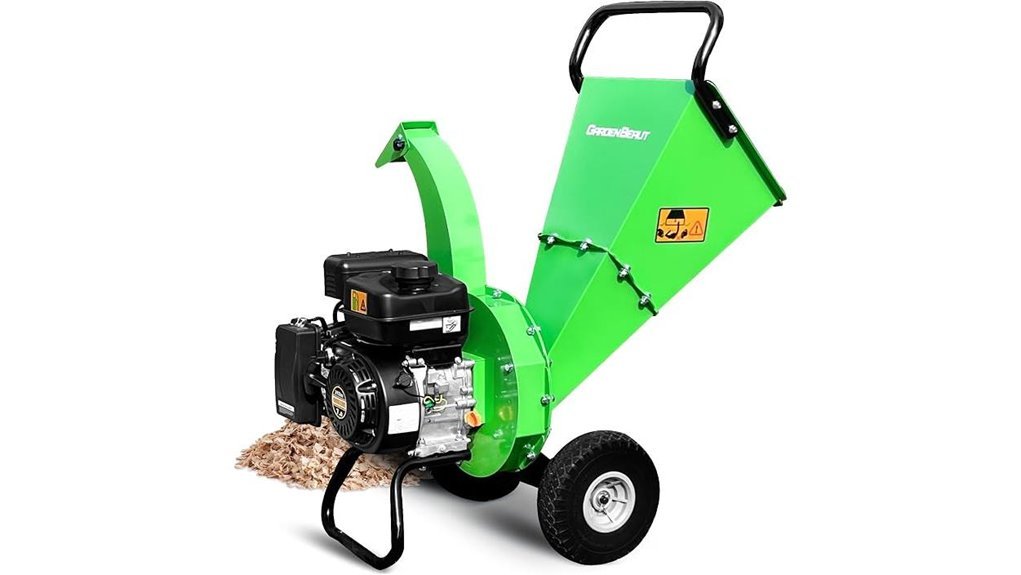
The S3 Wood Chipper Shredder suits homeowners and property managers needing a compact 7HP gas chipper. Its 212cc four-stroke OHV engine processes branches up to 3 inches wide, with a 15:1 reduction ratio for chipping, shredding, and mulching. A large feeding chute handles yard debris efficiently, while the vertical discharge chute with adjustable guide directs output from 90° to 145°. Measuring 32.6 x 26.5 x 41 inches, it is lighter than many steel models. It uses 87+ unleaded gasoline, starts by recoil, and carries EPA/CARB certification and a 1-year registered warranty.
Best For: Homeowners, property managers, and landscaping professionals who need a compact gas-powered chipper for branches, brush, and yard debris.
Pros:
- Handles branches up to 3 inches with a strong 7HP, 212cc engine.
- Versatile 15:1 chipping, shredding, and mulching with a large feeding chute.
- Compact, lighter-weight design with adjustable discharge direction and EPA/CARB certification.
Cons:
- Not suitable for fresh greens, pine cones, palm branches, petrified wood, or vines.
- Requires 87+ unleaded gasoline with no ethanol recommended.
- Recoil start and 3-inch max capacity may be limiting for larger or more frequent heavy-duty jobs.
Wood Chipper Shredder Mulcher 7HP Gas Powered
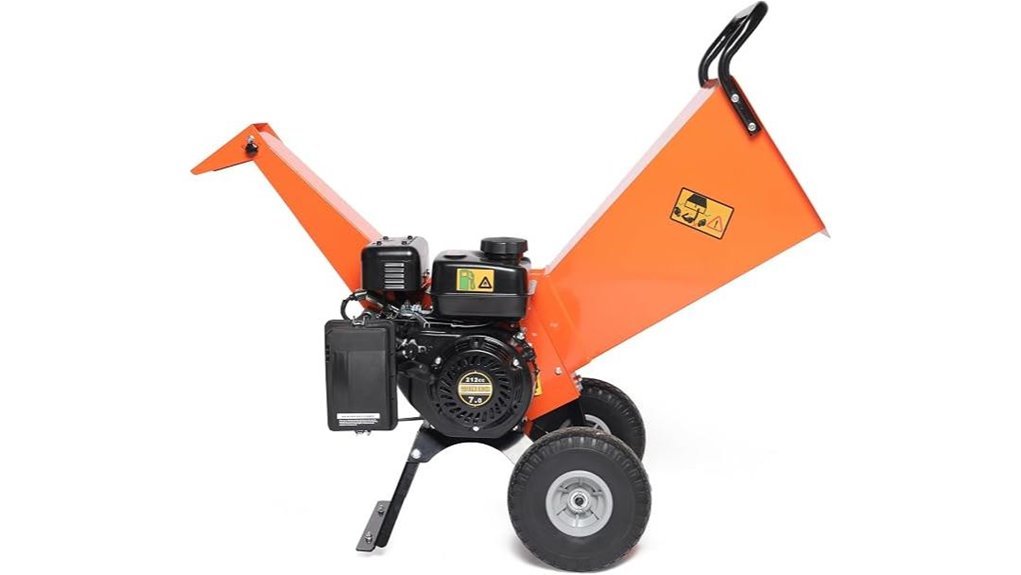
With a 3-inch capacity, this 7HP gas chipper suits homeowners and landscapers tackling heavier yard debris. The R0 model uses a 212cc horizontal 4-stroke OHV engine delivering 3600 RPM for steady branch processing. Its cutting roller design supports efficient, durable chipping, while the 15:1 reduction ratio helps manage waste quickly. Foldable construction and a long neck chute improve storage and loading. It starts by recoil, includes a low-oil alert sensor, and runs on 87+ unleaded gasoline. Suitable for forestry, gardens, and recycling, it chips branches, shreds brush, and mulches leaves.
Best For: Homeowners, landscapers, and small-property users who need a powerful 7HP chipper for handling branches, brush, and yard waste efficiently.
Pros:
- 3-inch max capacity handles heavier yard debris well
- 15:1 reduction ratio helps turn bulky waste into manageable mulch quickly
- Foldable design with long neck chute makes storage and loading easier
Cons:
- Not suitable for fresh greens, pine cones, palm branches, petrified wood, or vines
- Gas-powered engine requires fuel and regular maintenance
- At 121.7 pounds, it may be heavy for frequent moving or lifting
Factors to Consider When Choosing Wood Chippers in 2026
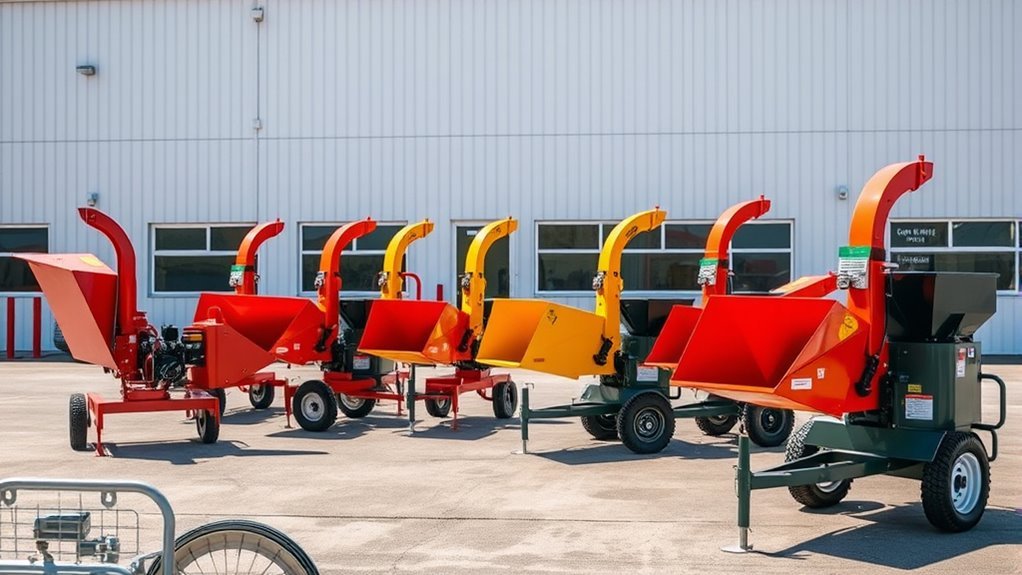
When choosing a wood chipper in 2026, cutting capacity, power source, and reduction ratio are key factors that shape overall performance. Feeding design also affects how smoothly branches move through the machine and how much effort is required. Safety features remain essential, since they help reduce risk during operation and maintenance.
Cutting Capacity
Cutting capacity is one of the most important specs to check, since it shows the maximum branch diameter a wood chipper can handle, typically from about 1.8 inches to more than 6 inches depending on the model and engine type. A greater capacity lets the machine process thicker limbs and reduces the need to trim material before loading. That makes cleanup faster and broadens the range of yard debris it can handle. Reduction ratio also matters, because it shows how efficiently waste is turned into mulch; ratios such as 21:1 indicate stronger volume reduction. The chosen chipper should match the usual branch size on hand to minimize jams and maintain steady performance. Different engine designs can affect this limit, with some supporting larger diameters than others.
Power Source
Power source is a key deciding factor, as wood chippers are available in electric and gas models with distinct strengths. Electric chippers usually use 15-amp motors and can handle branches up to about 1.8 inches in diameter, making them practical for smaller yards and residential areas. They also tend to run more quietly, which suits urban environments. Gas-powered chippers, by contrast, deliver greater horsepower and can process much larger branches, sometimes 6 inches or more, making them better for rural properties and heavy workloads. Mobility also differs: gas units work anywhere without a cord, while electric models may depend on extension cords. Motor speed and fuel needs further shape the choice, since each type brings its own maintenance and storage considerations.
Reduction Ratio
Reduction ratio is a practical measure of how efficiently a wood chipper turns yard waste into mulch, with higher ratios producing more output from the same volume of debris. A 21:1 rating, for example, means 21 bags of debris can be reduced to 1 bag of mulch. Many models offer a 15:1 ratio, which already helps simplify disposal of large amounts of organic material. A stronger reduction ratio can cut cleanup time and composting effort by shrinking waste volume. It is especially useful for users handling many branches and substantial yard debris, since less space is needed for transport and storage. When comparing chippers, the ratio should be matched to the material being processed, because different waste types affect overall effectiveness and practical waste management.
Feeding Design
Feeding design strongly affects how efficiently a wood chipper handles yard waste, especially when comparing self-feeding models with manual-feed options. A self-feeding mechanism can reduce labor by drawing in branches and debris automatically, while manual-feed units require more operator input. Chute layout also matters; dual or adjustable chutes can better match different branch diameters and help limit jams. Hopper size is another practical factor, since a larger hopper supports bigger batches and speeds processing. Material compatibility should not be overlooked, because each chipper is suited to specific branch thicknesses and debris types. The best choice depends on matching the feeding system to the intended workload, available time, and the kind of material most often processed.
Safety Features
Safety features should be a top priority when choosing a wood chipper, as they help reduce the risk of injury and equipment damage during operation. Buyers should look for emergency stop switches that let operators halt the machine immediately if a problem arises. Safety interlocks are also important because they keep the motor from running when the feeding hopper or discharge chute is open, which helps protect users during inspection or cleaning. Overload and overcurrent protection can shut the unit down before unsafe conditions cause harm. Models with hopper-activated safety knobs or switches add another layer of defense against accidental startup. Clear warnings, operating instructions, and protective gear guidance in the manual further support safe use and better decision-making.
Blade Durability
Blade durability is a key factor in a wood chipper’s long-term value, since stronger blades maintain cutting efficiency and delay the need for replacements. High-carbon steel blades are often preferred because they stay sharper longer and resist wear under frequent use. Reversible blades add value by letting operators flip a dulled edge and extend service life before buying new parts. Material choices such as SK5 high-carbon steel or A8 can improve corrosion resistance and structural strength, especially during heavy workloads. Blade thickness and overall design also matter; thicker blades are less likely to chip or break when processing tougher material. Regular sharpening and careful handling further preserve performance, helping the chipper cut consistently and reducing maintenance-related downtime.
Mobility And Storage
Mobility and storage often shape how practical a wood chipper is for everyday use, especially on larger properties or in tight spaces. Models with wheels and tow bars are typically easier to move across grass, gravel, and uneven ground, reducing effort during transport. A larger wheelbase can improve balance, helping the machine remain stable both while operating and when being towed. Weight also matters: lighter units are simpler to maneuver, but they still need enough durability to handle demanding work. For storage, compact chippers that fold or disassemble can fit more easily into a garage or shed. Lockable front wheels add control in transit and help keep the chipper tracking straight.
Frequently Asked Questions
How Often Should Wood Chippers Receive Routine Maintenance?
Wood chippers should receive routine maintenance after every use, with thorough inspections weekly during frequent operation and seasonal servicing for blades, belts, oil, and fasteners to guarantee safe, efficient performance and longer equipment life.
What Safety Gear Is Essential When Operating a Wood Chipper?
Safety first: essential gear includes eye protection, hearing protection, gloves, sturdy boots, and fitted clothing. A helmet and face shield are wise, too, because haste often invites injury when feeding debris into a wood chipper.
Can Wood Chippers Handle Wet, Leafy Garden Waste Effectively?
Yes, wood chippers can handle wet, leafy garden waste, though performance may drop. Moist material can clog blades and slow feeding. A shredder or chipper with sharp blades and sufficient power works best.
How Loud Are Wood Chippers During Normal Operation?
They are loud, often reaching 90 to 110 decibels during normal operation; nearby conversation becomes difficult, and hearing protection is strongly advised. Smaller electric models tend to be less intense, yet still noticeably noisy.
What Is the Average Lifespan of a Residential Wood Chipper?
A residential wood chipper typically lasts about 5 to 10 years, depending on build quality, maintenance, and usage frequency. Well-maintained models can exceed that range, while heavy use shortens service life considerably.
Conclusion
Choosing the right wood chipper in 2026 can feel like finding a needle in a forest, but the right match depends on cutting capacity, power source, portability, and intended yard size. Electric models suit lighter cleanup, while gas-powered machines handle tougher branches with ease. Each option in this guide offers a different balance of convenience and muscle. With the right pick, yard waste can vanish almost as if by magic.
