
The 7 best tomato seeds for 2027 include HOME GROWN Large Red Cherry, Sereniseed Organic, Red Beefsteak, Organic Tomato Seeds Variety Pack, HOME GROWN Beefsteak, 325 Giant Beefsteak, and HOME GROWN San Marzano. Each offers strong germination, good flavor, and useful growing traits for different spaces and climates. Cherry types suit snacks and salads, while beefsteaks and San Marzano excel for fresh eating and sauces. More details ahead can help match each seed to the right garden.
HOME GROWN Large Red Cherry Tomato Seeds, 500+ Seeds, Solanum lycopersicum
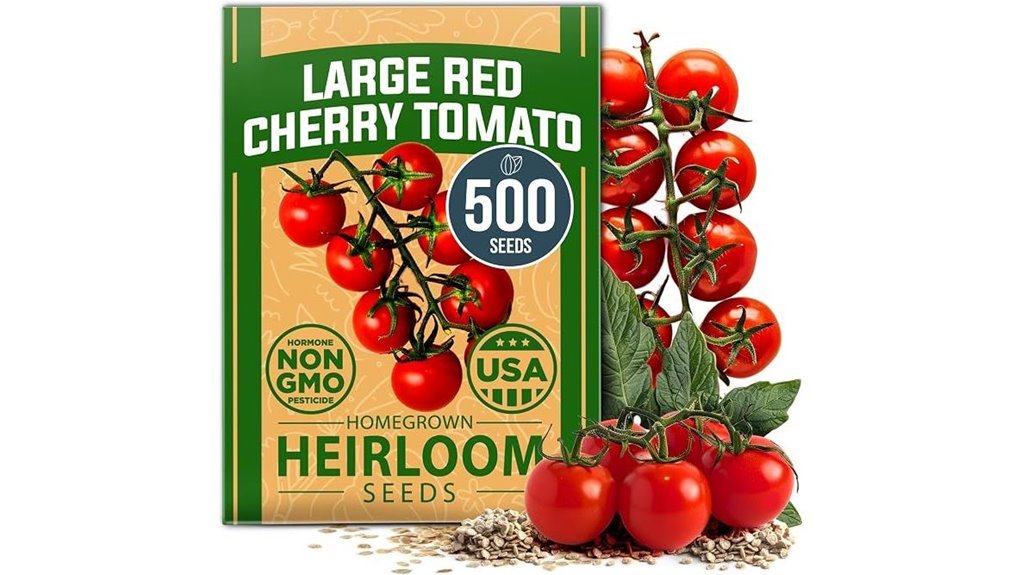
HOME GROWN Large Red Cherry Tomato Seeds are a strong choice for gardeners who want a reliable, high-yield cherry tomato with rich flavor and wide growing versatility. This open-pollinated, heirloom, non-GMO, untreated variety offers a high germination rate and produces compact 18-inch plants suited to open ground, greenhouses, patio containers, and urban farms. It grows best in loam with regular moisture and full sun across USDA zones 3 to 11. The fruit delivers explosive berry sweetness, dense pulp, glossy skin, and continuous harvests, making it useful for salads, roasting, drying, and decorative plating.
Best For: Home gardeners, urban growers, and container gardeners who want a high-yield, easy-to-grow cherry tomato with rich flavor and versatile culinary use.
Pros:
- Open-pollinated, heirloom, non-GMO, and untreated for a natural seed option
- Compact 18-inch plants that work well in gardens, greenhouses, patios, and containers
- Sweet, berry-like fruit with dense pulp and continuous harvest potential
Cons:
- Needs full sun and regular moisture to perform well
- Best results may require careful support and ongoing harvesting
- Yield and flavor can vary depending on growing conditions
Sereniseed Organic Tomato Seeds (10-Pack) Non-GMO Open-Pollinated
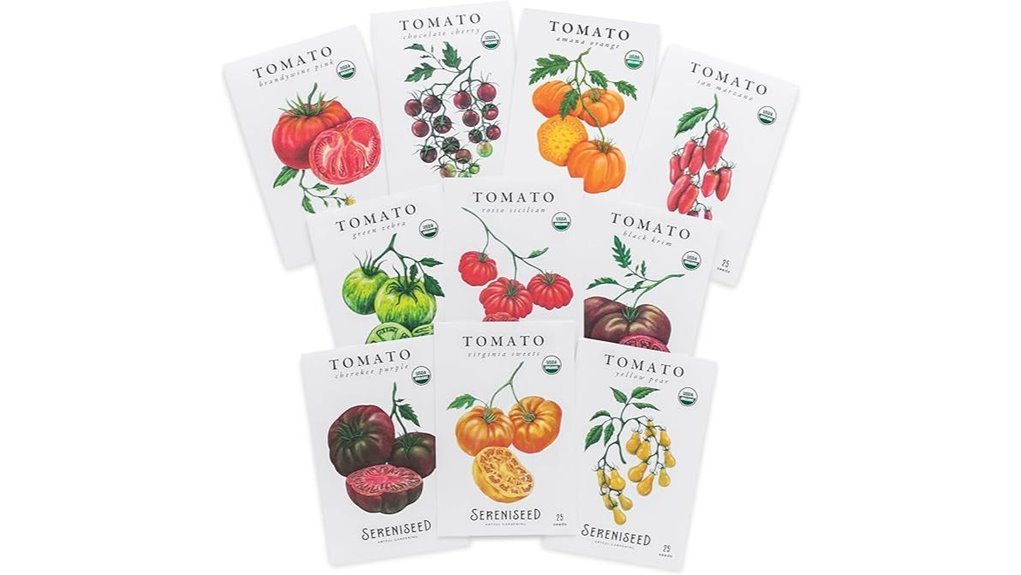
Sereniseed Organic Tomato Seeds suit gardeners who want a diverse, certified organic heirloom collection. The 10-pack includes Cherokee Purple, San Marzano, Yellow Pear, Chocolate Cherry, Green Zebra, Black Krim, Brandywine Pink, Virginia Sweets, Rosso Sicilian, and Amana Orange, offering broad flavor and color variety. USDA certified organic by Oregon Tilth, the seeds are 100% non-GMO and open-pollinated. Each packet includes a growing guide, and the seeds are tested for purity and germination before packing. Stored under controlled conditions, they are suited to full-sun outdoor planting, with customer support and Amazon’s 30-day return guarantee.
Best For: Gardeners who want a diverse, USDA-certified organic heirloom tomato seed collection with multiple flavors and colors for full-sun outdoor growing.
Pros:
- Includes 10 popular heirloom varieties with a wide range of taste, shape, and color.
- USDA certified organic, non-GMO, and open-pollinated for reliable seed saving and planting.
- Comes with a growing guide, plus tested germination and purity for better planting confidence.
Cons:
- Best suited for outdoor full-sun growing, so it may not fit indoor-only gardeners.
- Only 10 seeds per pack, which may be limiting for larger gardens.
- Results can still vary by local climate, soil conditions, and growing experience.
Red Beefsteak Tomato Seeds (250+ Non-GMO Heirloom)
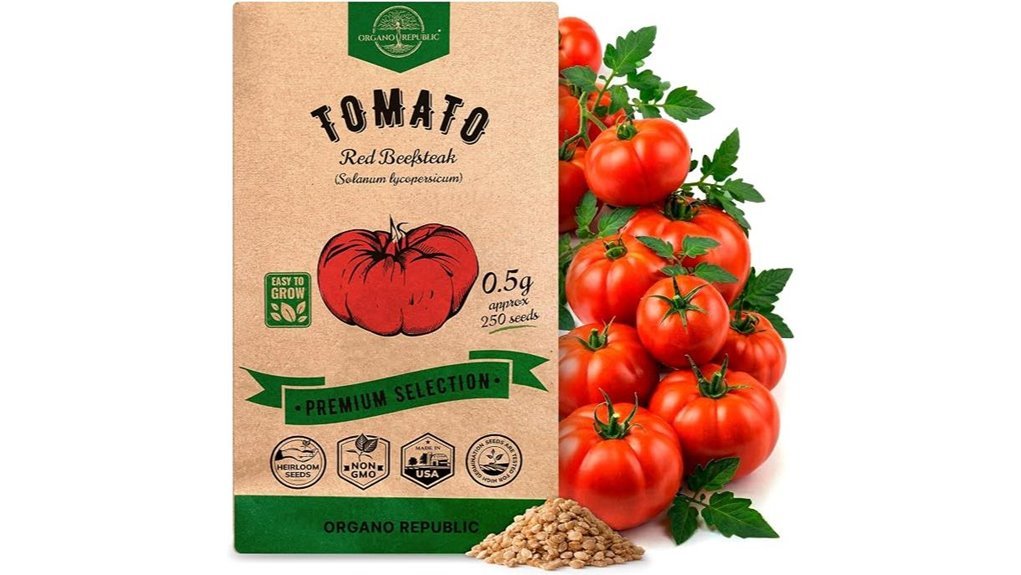
With 250+ non-GMO heirloom seeds, this pack suits gardeners wanting reliable, flavorful beefsteak tomatoes. The Red Beefsteak Tomato Seeds Pack contains over 250 Solanum lycopersicum seeds, valued for a rich taste and meaty texture that works well in salads and cooked dishes. A 90%+ germination rate supports dependable starts indoors or in outdoor beds. The seeds adapt to loam, potting mix, and varied climates across USDA zones 2-11. Packaged in a moisture-resistant, sun-protective envelope, they stay viable up to two years when stored cool and dry.
Best For: Gardeners who want a reliable, flavorful heirloom beefsteak tomato seed pack for indoor starting or outdoor growing in a wide range of climates.
Pros:
- Over 250 non-GMO heirloom seeds with rich flavor and meaty texture
- 90%+ germination rate for dependable planting success
- Moisture-resistant, sun-protective packaging helps preserve viability up to 2 years
Cons:
- Requires regular watering and consistent care
- Best results depend on proper storage in cool, dry conditions
- Tomato plants may need more space and support than smaller varieties
Organic Tomato Seeds Variety Pack (12 Packs)
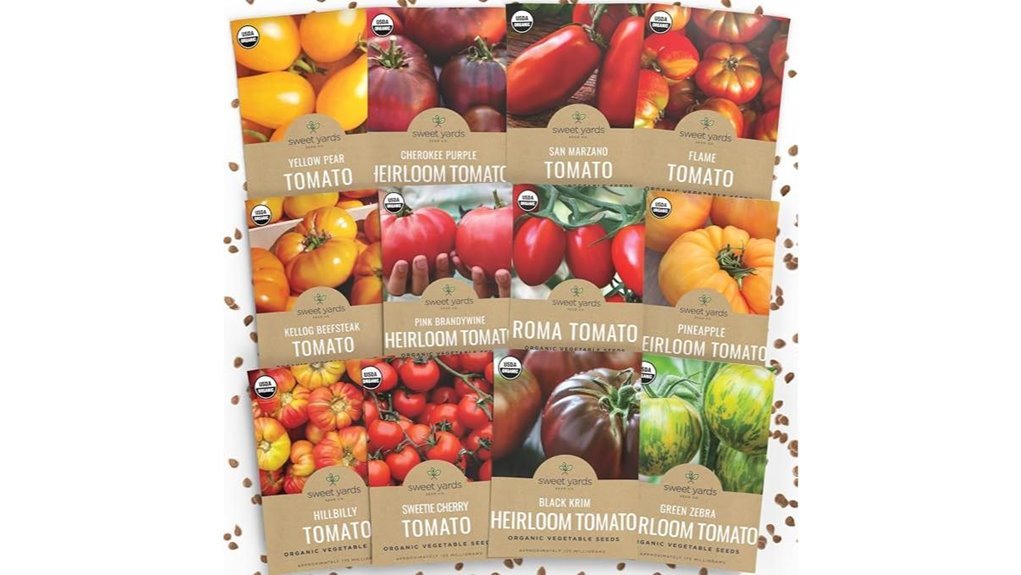
The Organic Tomato Seeds Variety Pack suits gardeners wanting variety, reliability, and organic heirloom tomatoes. This 12-pack includes Kellog Beefsteak, Black Krim, Pink Brandywine, Roma, Pineapple, Yellow Pear, Cherokee Purple, Flame, Green Zebra, Hillbilly, San Marzano, and Sweetie Cherry. The seeds are non-GMO, certified organic, and heirloom, with high germination expected and a 30-day refund if they fail. They grow indoors or outdoors in varied soil, with moderate watering and partial sun. Plants reach about 48 inches and bloom from spring to fall. Premium packaging and planting instructions improve storage and make gifting easy.
Best For: Gardeners who want a diverse, organic heirloom tomato seed collection for indoor or outdoor growing, or a thoughtful gift for a gardening enthusiast.
Pros:
- Includes 12 popular and varied tomato varieties for a wide range of flavors and uses.
- Non-GMO, certified organic, and heirloom seeds with high germination expectations.
- Premium packaging with planting instructions and a reusable zipper for easier storage.
Cons:
- Requires moderate watering and partial sun, which may not suit every growing setup.
- Tomato plants may need support and care to reach their full 48-inch height.
- Germination is not guaranteed immediately, so results may vary despite the refund policy.
HOME GROWN Beefsteak Tomato Seeds, 300+ Seeds, Solanum lycopersicum
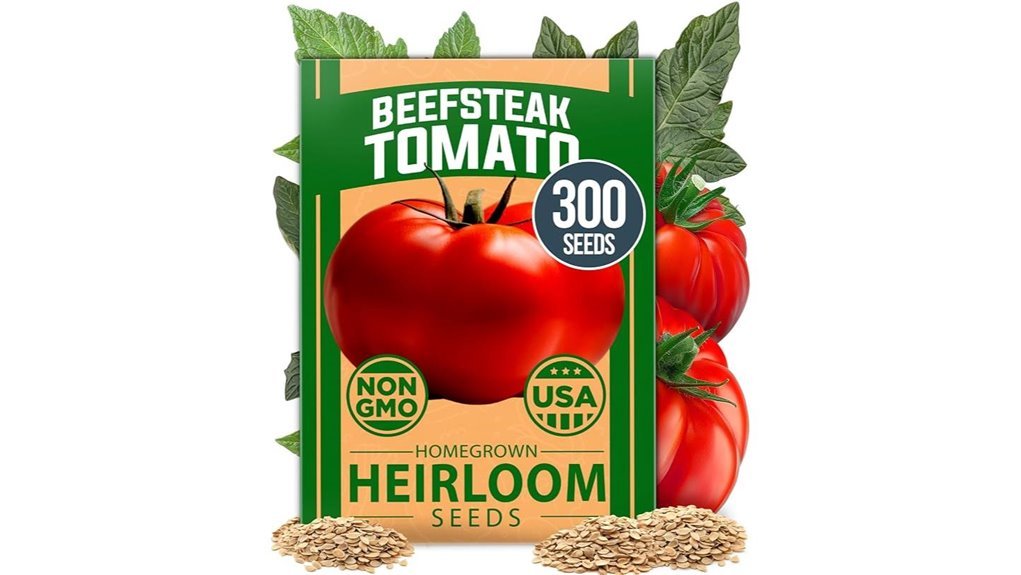
HOME GROWN Beefsteak Tomato Seeds suit gardeners seeking big, flavorful harvests with minimal fuss. This heirloom, non-GMO, indeterminate variety comes in a 300-seed pack and can grow up to 6 feet tall. It performs best in full sun with regular watering, and gardeners should start seedlings indoors 6 to 8 weeks before the last frost. Suitable for USDA zones 3 to 9, it needs sturdy cages or trellises to support heavy fruit. The 1- to 2-pound tomatoes offer a rich, sweet flavor and meaty texture for slicing, sauces, and salads.
Best For: Home gardeners, beginners, and tomato lovers who want a high-yield, flavorful heirloom beefsteak variety for fresh eating and cooking.
Pros:
- Produces large, 1- to 2-pound tomatoes with a rich, sweet, meaty flavor.
- Heirloom, non-GMO, indeterminate plants can keep producing throughout the season.
- Suitable for USDA zones 3-9 and comes with a helpful online grow guide.
Cons:
- Requires sturdy cages or trellises because the plants and fruit can get heavy.
- Needs to be started indoors 6-8 weeks before the last frost, so it’s not a direct-sow crop in colder areas.
- Can grow up to 6 feet tall, which may be too large for small spaces or containers.
325 Giant Beefsteak Tomatoes Heirloom Vegetable Seeds, Solanum Lycopersicum
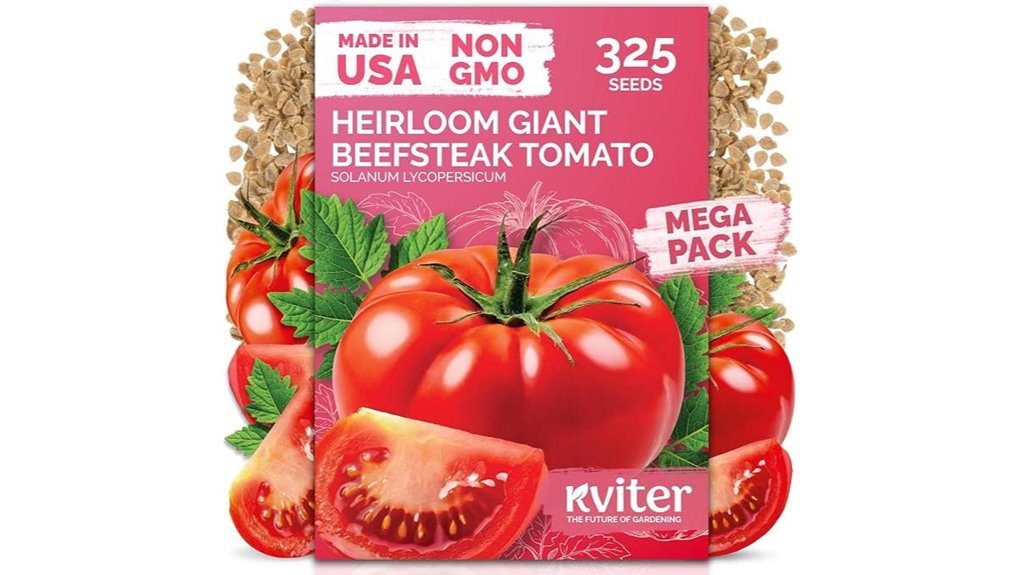
Ideal for gardeners seeking classic slicing tomatoes, 325 Giant Beefsteak Tomatoes Heirloom Vegetable Seeds produce large, juicy fruits. This heirloom Solanum lycopersicum variety yields meaty, mild-flavored red tomatoes suited for sandwiches, salads, and burgers. Seeds germinate in 7 to 10 days when sown 1/4 inch deep and perform best in sandy loam with full sun and consistent moisture. Plants should be spaced 18 to 24 inches apart and supported with stakes or cages. Low-maintenance and non-GMO, they can grow to 80 inches and bear from summer through fall with a high germination rate.
Best For: Gardeners who want a low-maintenance, heirloom beefsteak tomato variety for growing large, mild, juicy slicing tomatoes for fresh eating and cooking.
Pros:
- Produces large, meaty red tomatoes that are ideal for sandwiches, salads, and burgers.
- High germination rate with seeds that sprout in about 7–10 days.
- Non-GMO, heirloom seeds with full growing instructions included.
Cons:
- Requires staking or caging due to its tall growth habit.
- Needs consistent watering and full sun to perform well.
- Best results depend on suitable soil and regular garden care.
HOME GROWN San Marzano Tomato Seeds, 66+ Seeds, Solanum lycopersicum
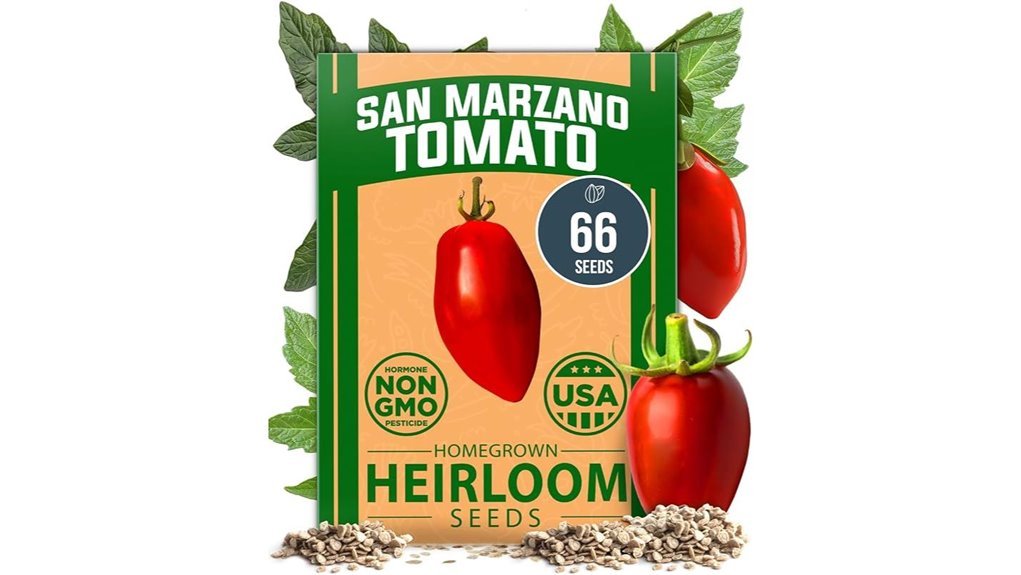
With 66+ premium heirloom seeds, it suits gardeners seeking authentic San Marzano flavor and reliable yields. This open-pollinated, non-GMO, untreated variety offers high germination and an indeterminate vine that can reach five feet. It performs well in loam soil with regular watering, full sun, and spring-to-summer bloom cycles across USDA zones 3-11. Strong roots and a rigid framework support heavy clusters, while crack resistance and firm flesh improve shelf life. Its rich, balanced taste and thick texture make it excellent for sauces, pizza, grilling, and preserving. A grow guide adds practical value for plant lovers.
Best For: Home gardeners, heirloom tomato enthusiasts, and cooks who want authentic San Marzano tomatoes for sauces, pizza, and preserving.
Pros:
- 66+ premium heirloom, open-pollinated, non-GMO, untreated seeds with high germination potential
- Strong indeterminate vines with good support for heavy fruit clusters and extended harvests
- Rich, balanced flavor and thick, low-seed flesh ideal for sauces, grilling, and sun-drying
Cons:
- Indeterminate growth may require staking, pruning, and ongoing support
- Best performance depends on full sun, regular watering, and suitable soil conditions
- Not ideal for gardeners seeking compact plants or quick, low-effort harvests
Factors to Consider When Choosing Tomato Seeds in 2026
Choosing tomato seeds in 2026 begins with seed type, since heirloom, hybrid, and determinate or indeterminate varieties serve different goals. Flavor, intended use, germination reliability, growing space, and the amount of sun available also shape which seeds are most suitable. Matching the variety to the local zone and season can improve results and reduce growing problems.
Seed Type Matters
Seed type matters because it shapes flavor, resilience, and what a gardener can do with the crop year after year. Non-GMO and heirloom varieties preserve genetic diversity and keep traditional lines available for future planting. Open-pollinated seeds are especially practical, since they can be saved and replanted, helping gardeners maintain preferred strains while supporting biodiversity. Certified organic seed adds another layer of value by ensuring production without synthetic pesticides or fertilizers, which supports healthier soil and surrounding ecosystems. Strong germination rates also matter; seed lots above 90 percent improve the odds of a full stand, especially for newer growers. A balanced selection of beefsteak, cherry, and paste types can further improve productivity and create a more flexible garden plan.
Flavor And Use
Flavor and intended use shape how tomato seeds should be chosen, since varieties differ widely in taste, texture, and kitchen performance. Some cultivars lean sweet and fruity, with cherry types delivering bright, berry-like flavor, while others offer a dense, meaty bite better suited to slicing. For fresh salads, vivid color and balanced acidity can matter as much as sweetness. For sauces and roasting, thick, silky flesh and high pulp density improve body and reduce waste. San Marzano remains a strong example for Italian dishes because of its culinary balance and minimal seed chambers. Plants that keep producing fruit also support steady kitchen use through the season. Attractive fruit can further improve plating, adding visual appeal alongside flavor.
Germination Reliability
Germination reliability is a key filter when selecting tomato seeds, because a higher germination rate improves the odds of strong seedlings and productive plants. Buyers should look for packets that report tested germination above 90%, since that usually signals dependable sprouting and better growth potential. Storage also matters: seeds held in cool, dry conditions tend to preserve viability longer and remain more trustworthy. Open-pollinated and heirloom varieties often provide steadier germination because their breeding is less variable, which can appeal to gardeners seeking consistency. Certifications such as organic or non-GMO can add another layer of confidence, since they suggest documented handling and quality standards. Together, these checks help narrow choices to seeds more likely to perform well from planting through early establishment.
Growing Space Needs
Growing space needs can quickly narrow tomato seed choices, especially when plant size ranges from compact 18-inch types to vines that exceed 6 feet. Taller varieties demand vertical room and sturdy cages, stakes, or trellises, while indeterminate plants keep extending and fruiting, requiring ongoing support. Determinate types stay bushier and usually fit better in tighter beds, where horizontal spread and air movement still matter. Soil conditions also influence spacing decisions, because loamy beds and well-prepared sandy sites can support different planting densities. In patios, balconies, and urban plots, compact or container-suited tomatoes often provide the best balance of yield and footprint. Matching growth habit and mature size to the available area helps prevent crowding, improves light access, and simplifies maintenance throughout the season.
Sun And Zone Match
Sun and zone alignment is one of the simplest ways to narrow tomato seed choices in 2026. Seeds suited to a gardener’s USDA hardiness zone are more likely to perform reliably, since temperature tolerance varies by variety. In colder regions, selections that mature quickly or handle cool conditions can improve success, while warmer climates favor types that continue setting fruit under heat. Full sun remains essential; tomato plants need at least 6 to 8 hours of direct light each day for strong flowering, flavor, and yield. Regional growing season length also matters, because varieties must reach harvest before frost. Matching seeds to local climate, sunlight, and season helps produce healthier plants and steadier crops.
Plant Size Expectations
Plant size is a practical filter when choosing tomato seeds in 2026, since varieties can range from compact plants about 18 inches tall to vigorous types that reach 80 inches. Indeterminate tomatoes keep extending and fruiting through the season, often climbing to 6 feet or more, while determinate types stay shorter and bush-like. That difference affects garden planning, because taller plants need 18 to 24 inches of spacing for light and airflow. Growth habit also signals support needs; vining plants usually call for cages or stakes, while compact bushes may need less structure. Soil matters too. Loamy ground generally supports stronger growth and larger harvests, while sandy soil may limit size by draining moisture too quickly.
Disease Resistance Traits
Disease resistance is another practical filter when choosing tomato seeds in 2026, because the right genetics can reduce reliance on chemical treatments and help maintain a healthier garden. Strong resistance traits also improve reliability by limiting losses from common problems such as fusarium wilt and verticillium wilt. Many heirloom lines already carry useful natural defenses, making them worthwhile for gardeners seeking dependable harvests. Seed packets that list resistance codes can help match varieties to local disease pressure and specific pests. This matters because resilient plants usually stay vigorous longer, recover better from stress, and direct more energy into fruit production. The result is often higher yields, steadier crop quality, and tomatoes with better flavor because the plants spend less time fighting disease and more time maturing well.
Organic And Non-GMO
Organic and non-GMO tomato seeds appeal to gardeners who want a more natural, traceable starting point for their crop. Organic seeds come from plants grown without synthetic pesticides or fertilizers, supporting soil health, biodiversity, and cleaner production systems. Non-GMO seeds come from plants not altered through genetic engineering, so traditional breeding remains the basis for selection. Certified organic seed must also meet USDA requirements, including non-GMO status and three years of growth in soil free of prohibited substances. Heirloom varieties often satisfy both preferences while preserving distinctive flavors, traits, and genetic diversity. Many gardeners value these seeds for strong germination and local adaptability, which can produce sturdier plants in varied conditions.
Frequently Asked Questions
Which Tomato Seeds Work Best in Containers?
Container gardens favor compact determinate or dwarf tomato seeds, especially ‘Tiny Tim,’ ‘Patio,’ ‘Bush Early Girl,’ and ‘Tumbling Tom.’ They stay manageable, fruit reliably, and perform well in pots with steady watering and sunlight.
How Long Do Tomato Seeds Stay Viable?
Tomato seeds typically stay viable for four to six years, sometimes longer if stored cool, dry, and dark. Germination declines gradually, so older seeds may still sprout, but less reliably over time.
Can I Save Seeds From Hybrid Tomatoes?
Yes, seeds can be saved from hybrid tomatoes, but offspring usually will not match the parent plant. A gardener may grow unpredictable traits, so saved seeds are best treated as an experiment, not a reliable duplicate.
What Tomato Varieties Resist Common Diseases?
Endless lists exist, but notable disease-resistant tomato varieties include ‘Celebrity,’ ‘Better Boy,’ ‘Mountain Magic,’ and ‘Defiant PhR.’ They commonly resist blight, fusarium wilt, verticillium wilt, and nematodes, offering gardeners dependable, sturdy harvests.
Do Heirloom Seeds Produce Better Tasting Tomatoes?
Heirloom seeds often yield tomatoes prized for richer, more complex flavor, though taste depends on variety, ripeness, and growing conditions. They are not universally better, but many gardeners prefer their distinctive, nostalgic character.
Conclusion
In choosing tomato seeds, the gardener gathers more than packets; they gather promise. Cherry, beefsteak, and San Marzano seeds stand like small embers, each holding a future harvest. The right seed becomes a compass for color, size, flavor, and season. As 2027 approaches, these selections symbolize patience rewarded and soil awakened. In every buried seed rests a red thread of abundance, waiting to climb from earth into summer light.
