
Choosing the right garlic bulbs for a home garden in 2027 can shape both flavor and harvest size. Some gardeners prefer hardneck varieties for their large cloves and cold tolerance, while others look to softneck types for flexibility and storage. Heirloom and gourmet options add more variety, but not every bulb suits every climate or space. The best choices often depend on a few overlooked details.
4 Hardneck Garlic Bulbs for Planting, Large Cloves for Home Gardens
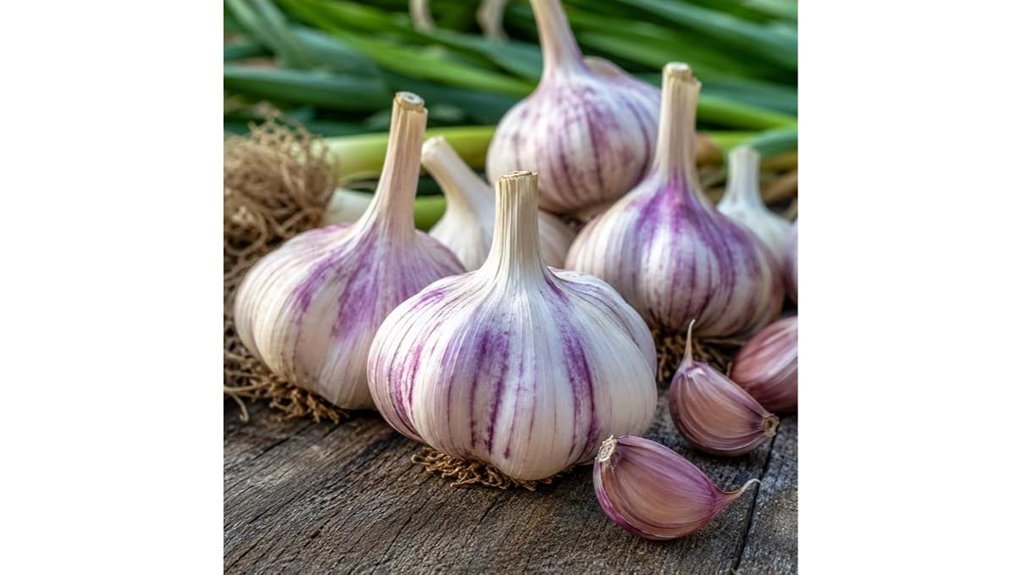
The 4 Hardneck Garlic Bulbs for Planting are a strong choice for home gardeners who want large cloves, firm bulbs, and a dependable harvest in vegetable beds, raised gardens, or kitchen plots. These cold-hardy bulbs perform best with fall planting, winter chilling, full sun, and fertile, well-drained loam. Each bulb should be separated into cloves, keeping the papery skins intact and planting pointed ends upward 2 to 3 inches deep, 4 to 6 inches apart. During spring growth, moderate moisture helps. Curling scapes may be harvested, and mature bulbs should be cured dry, shaded, and well ventilated.
Best For: Home gardeners in USDA zones 3-8 who want cold-hardy hardneck garlic with large cloves for fall planting in sunny, well-drained beds.
Pros:
- Large cloves and firm bulbs make for a strong harvest.
- Cold-hardy variety that benefits from fall planting and winter chilling.
- Suitable for vegetable gardens, raised beds, and kitchen gardens.
Cons:
- Needs well-drained soil and can struggle in soggy conditions.
- Requires fall planting and seasonal patience before harvest.
- Bulbs must be separated into cloves and planted with proper spacing.
4 Heirloom Hardneck Garlic Bulbs for Planting
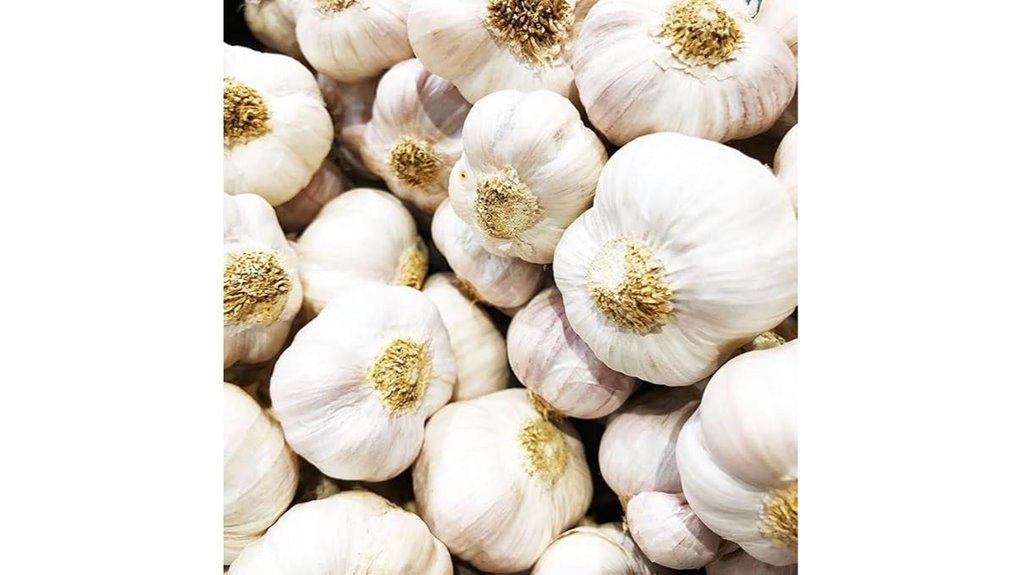
These 4 heirloom Music hardneck garlic bulbs suit gardeners seeking bold flavor and easy growing success. This seed garlic delivers a rich, spicy profile that works well for roasting, sautéing, and infused oils. Hand-selected for vigor and adaptability, the bulbs support reliable harvests with little effort. They grow well in sandy, loamy, or chalky soil with moderate moisture and perform in USDA zones 3-10. Partial shade is acceptable, and planting can occur in spring, summer, or autumn. Packaged for freshness, the four-bulb set suits beginners, experienced growers, and culinary gardens alike.
Best For: Beginner and experienced gardeners who want easy-growing, flavorful hardneck garlic for roasting, sautéing, and infused oils.
Pros:
- Bold, rich, and spicy flavor that’s great for cooking.
- Hand-selected bulbs offer reliable growth and strong adaptability.
- Suitable for USDA zones 3-10 with flexible planting times.
Cons:
- Only a 4-bulb pack, so it may not be enough for larger gardens.
- Prefers specific soil types like sandy, loamy, or chalky soil.
- Partial shade is acceptable, but full optimal conditions aren’t specified.
8 California Softneck Garlic Bulbs | Fresh Garlic for Planting & Growing
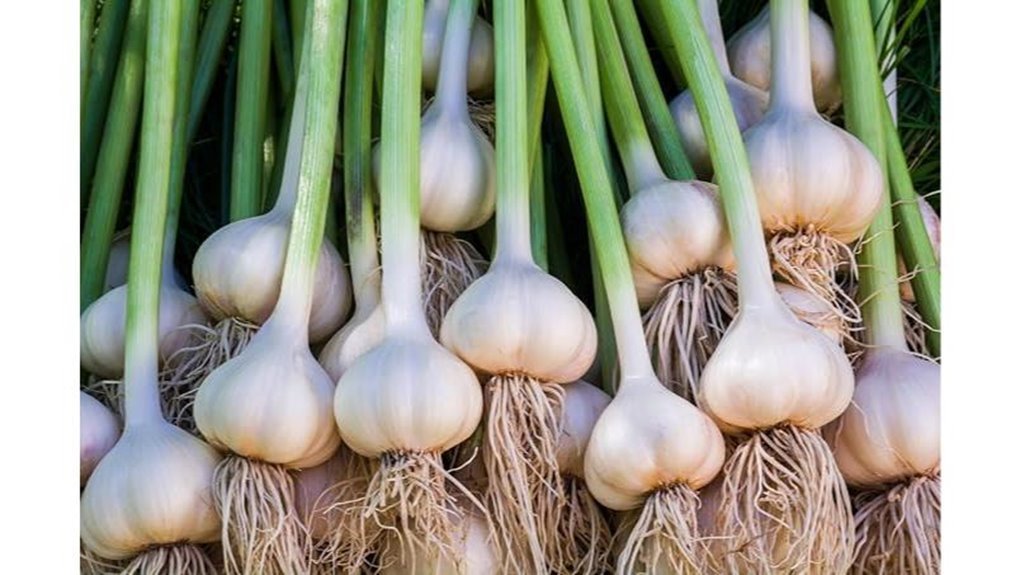
California Softneck Garlic Bulbs suit gardeners wanting easy-to-grow, braidable garlic with dependable harvests. Each bulb contains multiple cloves, and each clove can grow into a full bulb when planted in fertile, well-drained soil under full sun. Cloves should go pointed side up, about 2 inches deep and 4 to 6 inches apart. Fall planting helps roots establish before winter. During active growth, moderate moisture supports development without waterlogging. Harvest occurs when lower leaves yellow, then bulbs should be lifted gently and cured dry. The creamy white bulbs produce flavorful cloves for cooking, roasting, sauces, and seasoning.
Best For: Gardeners who want an easy-to-grow, braidable softneck garlic that produces flavorful bulbs and performs well with standard planting and care.
Pros:
- Multiple cloves per bulb, with each clove capable of growing into a full garlic bulb
- Flexible stems make it suitable for traditional garlic braids
- Flavorful cloves are versatile for cooking, roasting, sauces, and seasoning
Cons:
- Needs fertile, well-drained soil and full sun to perform well
- Requires consistent moisture without waterlogging, which can be tricky in some gardens
- Best results depend on proper fall planting and timely harvest timing
Gourmet Chesnok Red Garlic Bulbs for Planting
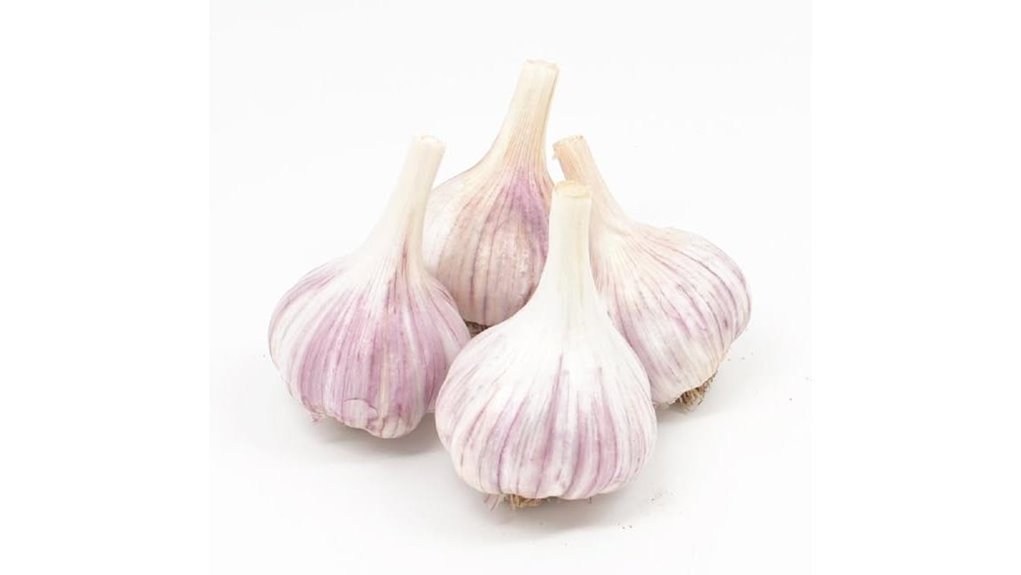
Gourmet Chesnok Red Garlic Bulbs suit gardeners seeking organic, non-GMO hardneck garlic for fall planting. Sold as four fresh planting bulbs from Fresh Garlic, this purple-red variety is valued for reliable performance in home gardens. The set weighs 0.28 kg and includes four pieces, making it a compact choice for small-scale planting. Customer feedback is generally positive, with a 4.0-star average from 1,595 reviews. Amazon offers a 30-day voluntary return guarantee, and warranty details are available separately.
Best For: Gardeners who want organic, non-GMO hardneck garlic bulbs for reliable fall planting in a small home garden.
Pros:
- Organic-grown, non-GMO Chesnok Red hardneck garlic
- Comes as 4 fresh planting bulbs in a compact set
- Generally positive customer feedback with a 4.0-star average
Cons:
- Small quantity may not be enough for larger gardens
- Best suited for fall planting only
- Warranty details are not clearly specified upfront
Fresh Siberian Hardneck Garlic Bulbs (6 Pack)
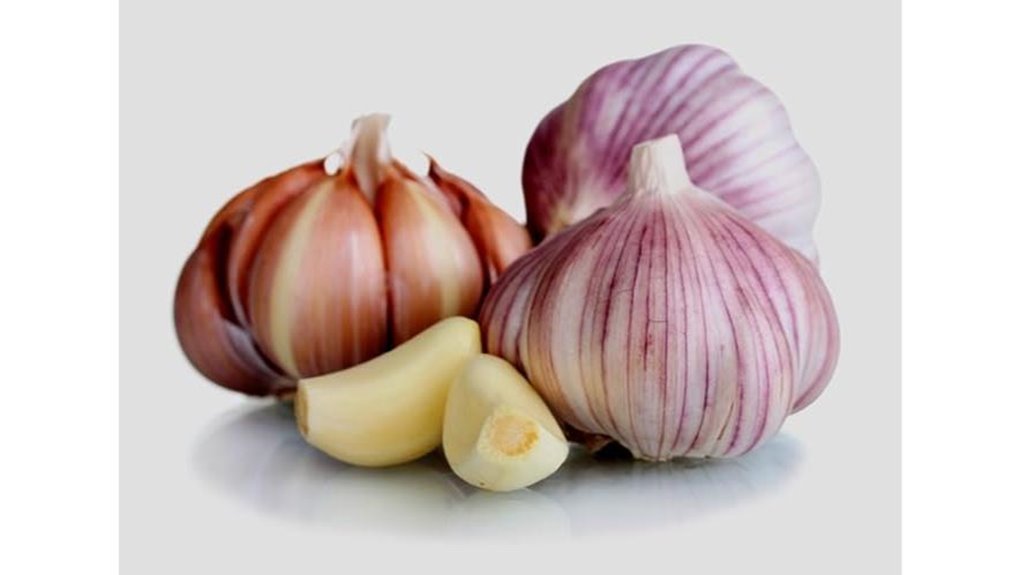
The Fresh Siberian Hardneck Garlic Bulbs suit gardeners seeking a hardy, high-yield planting option. This heirloom, non-GMO six-pack from Country Creek Acres is suited for planting and culinary use. The Siberian hardneck variety is easy to grow and harvest, produces many bulbs per plant, and tolerates drought. It performs best in USDA Zone 1 with partial sun and moderate watering. Spring planting and spring bloom make it straightforward for home gardens. The purple bulbs grow to about 24 inches, and the product includes a 30-day return guarantee with warranty limited to the purchase price.
Best For: Gardeners in very cold climates who want an easy-to-grow, high-yield heirloom hardneck garlic for both planting and culinary use.
Pros:
- High-yield variety that produces lots of bulbs per plant
- Drought tolerant and easy to grow and harvest
- Heirloom, non-GMO, and suitable for planting or cooking
Cons:
- Best suited for USDA Zone 1, so it may not perform equally well in warmer climates
- Requires partial sun and moderate watering, which may limit some garden setups
- Warranty is limited to the purchase price, offering minimal protection
Factors to Consider When Choosing Garlic Bulbs for Planting in Home Gardens in 2026
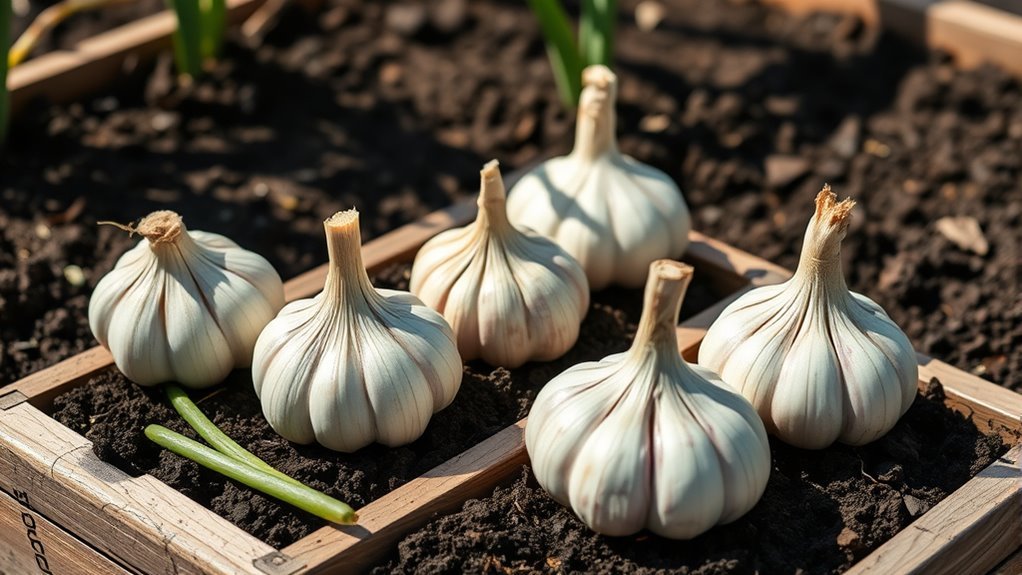
Choosing garlic bulbs for home gardens in 2026 starts with matching hardneck or softneck types to the local climate, growing zone, and expected planting window. Sunlight, soil conditions, flavor preference, and harvest goals also shape which bulbs will perform best. Careful selection can improve bulb size, vigor, and overall garden success.
Hardneck Vs Softneck
When comparing hardneck and softneck garlic, home gardeners in 2026 will find that each type offers distinct advantages tied to climate, flavor, and storage needs. Hardneck garlic produces curling scapes and delivers bold, complex flavor, making it a strong choice for cooks who value intensity. It also tends to form fewer but larger bulbs and is generally hardier, with strong resistance to colder conditions. Softneck garlic has flexible stems and is often selected for braiding and extended storage. It usually produces more cloves per bulb, though they are smaller, and it adapts well to many growing situations while showing good disease resistance. The better option depends on whether the priority is flavor, storage, or bulb size.
Climate And Zone Match
Beyond the choice between hardneck and softneck, climate fit often determines how well garlic bulbs perform in a home garden. Garlic varieties are adapted to different USDA Hardiness Zones, from Zones 3 through 10, so matching a bulb to the local zone improves reliability. Hardneck types usually suit colder regions because they need winter chill, while softneck garlic tends to adapt more easily to milder and variable climates. In areas with cold winters, fall planting is often best, giving roots time to establish before freeze-up. Local frost dates and seasonal temperature swings also guide planting and harvest timing. Soil temperature and moisture should remain moderate, since overly wet or extreme conditions can reduce establishment and limit bulb development before harvest.
Sunlight And Soil Needs
Sunlight and soil conditions remain central to garlic success in home gardens, with plants performing best in full sun and receiving at least 6 to 8 hours of direct light each day. Garlic also performs best in well-drained, fertile ground, especially loamy or sandy soils that limit waterlogging and support steady root development. A slightly acidic to neutral pH, roughly 6.0 to 7.0, helps nutrients stay available for uptake. While garlic adapts to many soils, hardneck types usually reward richer, more fertile sites, whereas softneck types tolerate less demanding conditions. During active growth, moderate and regular moisture supports bulb formation, but soggy soil can quickly encourage rot and reduce yield. So, bulb choice should align with site quality and drainage.
Planting Time Window
Timing plays a decisive role in garlic success, since most bulbs are planted in fall so roots can establish before winter and growth can surge in spring. In colder USDA Zones 3-10, autumn planting is usually preferred because the chill period supports strong establishment. Hardneck garlic depends on that winter exposure to form sturdy bulbs and scapes, making it well suited to fall schedules. Softneck garlic offers greater flexibility and can be planted in spring, summer, or autumn when local conditions allow. Gardeners should match planting windows to climate, frost timing, and soil readiness rather than a fixed calendar date. Cloves are typically set 2-3 inches deep and spaced 4-6 inches apart to help them establish evenly and avoid crowding during the growing season.
Flavor And Harvest Goals
Garlic selection should begin with flavor and end-use in mind, since hardneck varieties usually deliver a bold, robust taste suited to roasting and sautéing, while softneck types are often chosen for their excellent storage life. Harvest goals also matter: hardneck garlic produces scapes that can be cut and cooked before bulb harvest, adding another crop from the same planting. Softneck bulbs, by contrast, are favored where long-term keeping quality is the priority. Timing remains critical; bulbs are ready when the lower leaves yellow, signaling mature size and developed flavor. Soil and climate influence intensity, with fertile, well-drained ground and ample sunlight often producing stronger taste. Planting multiple types can broaden texture, aroma, and culinary flexibility across dishes throughout the season.
Frequently Asked Questions
When Should Garlic Bulbs Be Planted in My Climate?
Garlic bulbs are usually planted in the fall, about 4 to 6 weeks before the ground freezes, so roots can establish before winter. In mild climates, planting can continue into late fall or early winter. In colder regions, earlier fall planting is better. If spring planting is necessary, it should happen as soon as the soil can be worked. Local frost dates and soil conditions determine the best timing.
How Deep Should Garlic Cloves Be Planted?
Like a buried promise, garlic cloves should be planted about 2 inches deep, measured from the clove’s tip to the soil surface. In lighter soils, 2.5 to 3 inches can help protect them from drying or frost heave. The pointed end should face upward, with the root end down. Firm soil gently over the clove, then mulch to stabilize moisture and temperature. Deeper planting may delay sprouting slightly.
Can Garlic Grow Well in Containers?
Yes, garlic can grow well in containers when given enough depth, sunlight, and drainage. A container at least 8 to 12 inches deep is preferred, with loose, fertile soil and regular watering. Each clove should have room to develop into a bulb. Cooler temperatures and consistent moisture support strong growth. Smaller harvests are typical than in beds, but container garlic can still produce healthy, flavorful bulbs.
How Much Sunlight Do Garlic Plants Need Daily?
Garlic plants need at least 6 to 8 hours of direct sunlight each day for strong growth and proper bulb formation. In warmer climates, a little afternoon shade can help prevent stress, but full sun remains ideal. Less light usually leads to smaller bulbs and weaker plants. Consistent brightness, well-drained soil, and regular watering support healthy development and improve the chances of a good harvest.
When Is the Best Time to Harvest Homegrown Garlic?
The best time to harvest homegrown garlic is usually when the lower leaves have turned brown, but the upper leaves are still partly green. Ironically, waiting for perfection often ruins the crop; garlic rewards careful impatience. Bulbs harvested too early may be small, while those left too long can split and lose quality. A dry morning after several leaf layers yellow is generally ideal for lifting, curing, and storing.
Conclusion
In the garden’s quiet theater, the five garlic bulbs take their bows like sturdy lanterns beneath the soil. Hardneck varieties stand tall with bold, braided roots of flavor, while softneck bulbs drift like ribbons for patient hands to weave. Chesnok Red and Fresh Siberian glimmer as dependable stars, promising generous harvests. Chosen with care, they turn sunlight, rich earth, and steady moisture into a living pantry that brightens every home kitchen.
