
Garden mulch choices in 2027 are shifting toward options that do more than cover soil. The leading picks include coconut husk, coco block, organic living mulch, wheat straw, and aspen mulch. Each one brings different benefits for moisture, weed control, and soil health. The differences may seem minor at first, but they can change how a garden performs over the season. Some options stand out for reasons that are not obvious yet.
Back to the Roots Organic Coconut Husk Mulch
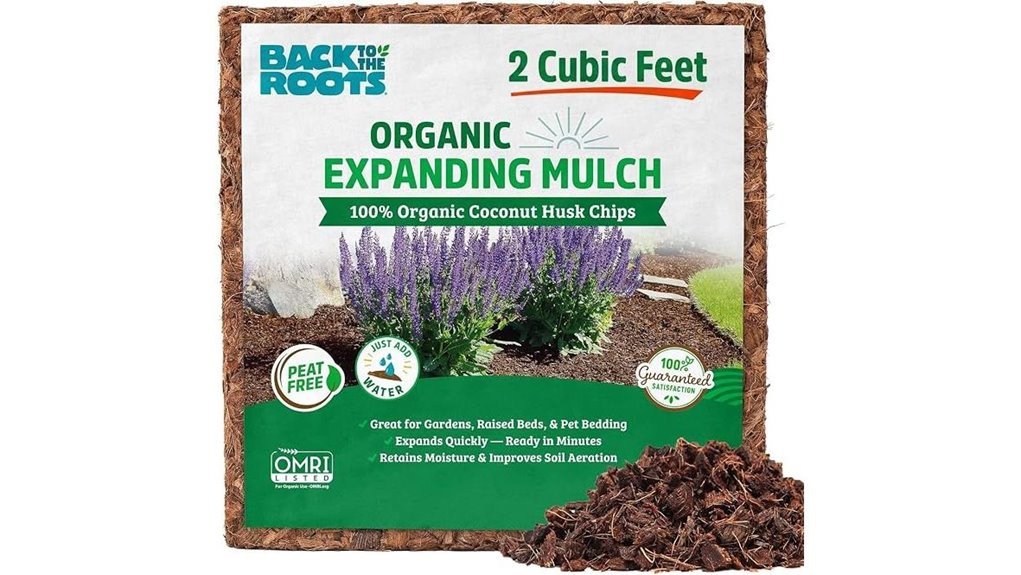
Back to the Roots Organic Coconut Husk Mulch stands out as a strong choice for gardeners who want a lightweight, sustainable option that performs well in raised beds and garden plots. The 10-pound compressed block expands with water to more than 2 cubic feet in minutes, making setup simple. It helps retain moisture and improve aeration while remaining easy to store and handle. Made from upcycled coconut farm waste, it is peat-free and OMRI Listed for organic use. The product also suits pet bedding and includes a satisfaction guarantee with support for refunds or replacements.
Best For: Gardeners, raised-bed growers, and eco-conscious pet owners who want a lightweight, peat-free mulch that expands quickly and improves moisture retention.
Pros:
- Expands from a 10 lb block to over 2 cubic feet in minutes for easy use.
- Made from upcycled coconut waste, so it’s sustainable and OMRI Listed for organic gardening.
- Lightweight, easy to store, and works well for gardens, raised beds, and pet bedding.
Cons:
- Requires water and a few minutes to fully expand before use.
- May not be ideal for gardeners who prefer traditional bark or wood mulch.
- As a compressed product, the block can be less convenient for very small one-time projects.
PlantBest Coco Mulch Compressed Block 9.1 lb
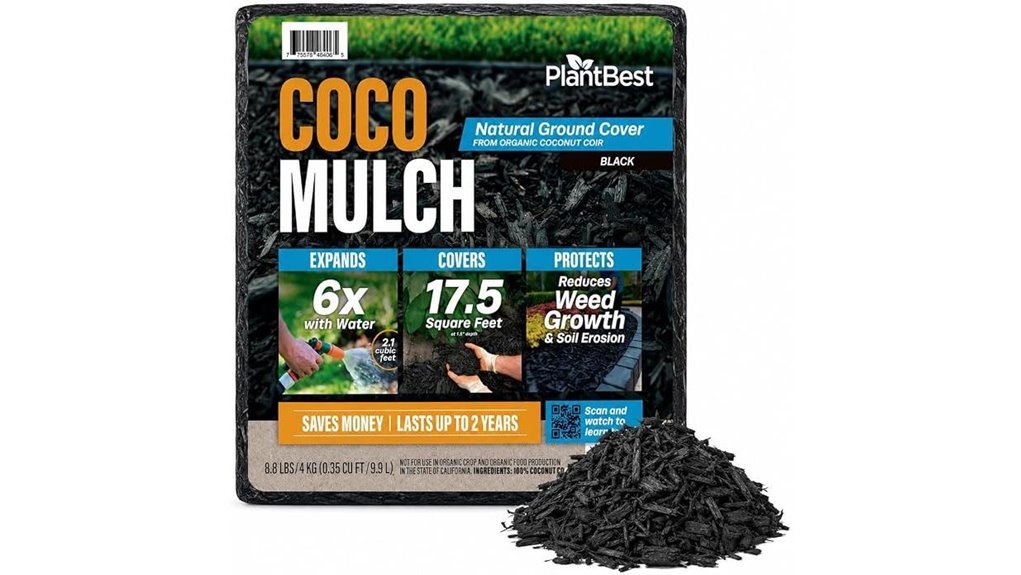
PlantBest Coco Mulch Compressed Block suits gardeners who want lightweight, easy-to-store mulch with strong moisture retention. The 9.1-pound block expands with water into 64 quarts, covering up to 17.5 square feet at a 1.5-inch depth. Its compressed form simplifies transport and storage compared with bulky bags, and it becomes usable within minutes. Made from 100% renewable coconut coir, it helps hold moisture, regulate soil temperature, and reduce watering frequency. The interlocking fibers and husk chips also suppress weeds, resist erosion, and remain attractive for up to two seasons.
Best For: Gardeners who want a lightweight, easy-to-store, eco-friendly mulch that expands quickly and helps retain moisture, suppress weeds, and reduce watering needs.
Pros:
- Compresses into a manageable 9.1 lb block that expands to 64 quarts for easy transport and storage.
- Made from 100% renewable coconut coir, with strong moisture retention and temperature regulation benefits.
- Helps suppress weeds, resist erosion, and maintain an attractive appearance for up to two seasons.
Cons:
- Requires water to expand before use, so it is not ready immediately out of the package.
- Covers a limited area of up to 17.5 sq. ft. at a 1.5-inch depth, which may not be enough for larger projects.
- Coconut coir mulch may be less familiar to some users than traditional bark or wood mulches.
Living Mulch Organic 4 Quart
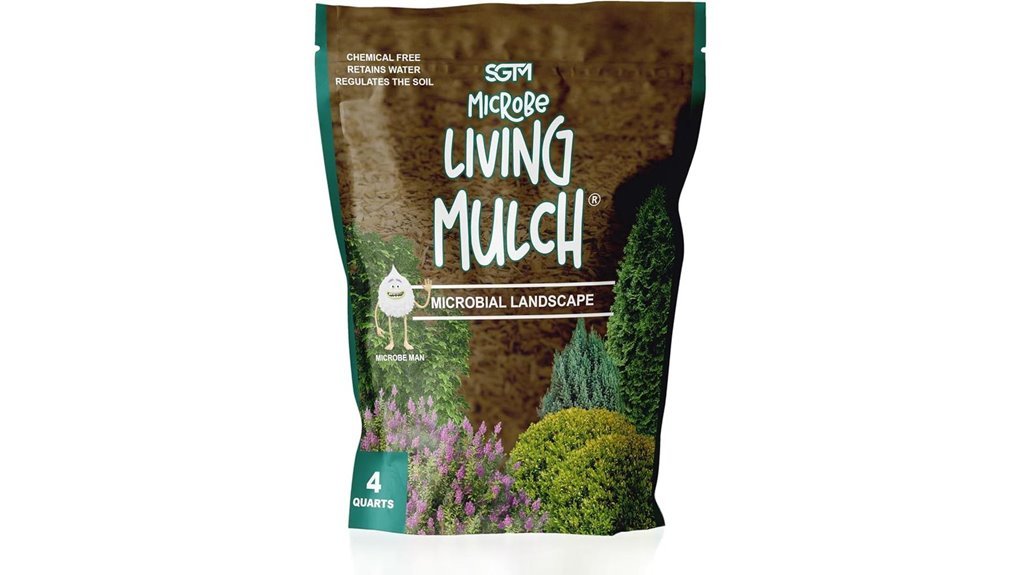
Living Mulch Organic 4 Quart suits gardeners seeking moisture retention, weed suppression, and healthier soil. It helps conserve water by reducing evaporation, while insulating soil to keep roots cooler in summer and warmer in winter. Once established, it crowds out weeds and lowers the need for frequent hand weeding or herbicide use. The organic material also contributes nutrients and improves soil structure over time. Its roots stabilize ground on slopes and during heavy rain, reducing erosion. Beneficial insects and pollinators are often drawn in, supporting a more balanced and resilient garden ecosystem.
Best For: Gardeners who want an organic living mulch that conserves moisture, suppresses weeds, improves soil health, and helps prevent erosion.
Pros:
- Helps retain soil moisture and reduce watering needs.
- Crowds out weeds, lowering maintenance and herbicide use.
- Adds organic matter, supports beneficial insects, and improves soil structure over time.
Cons:
- May take time to establish before benefits become noticeable.
- Can require initial planning and care compared with traditional mulch.
- May not be ideal for gardeners looking for a completely low-growth, no-maintenance ground cover.
HealthiStraw All-Natural Wheat Straw Mulch (3 cu ft)
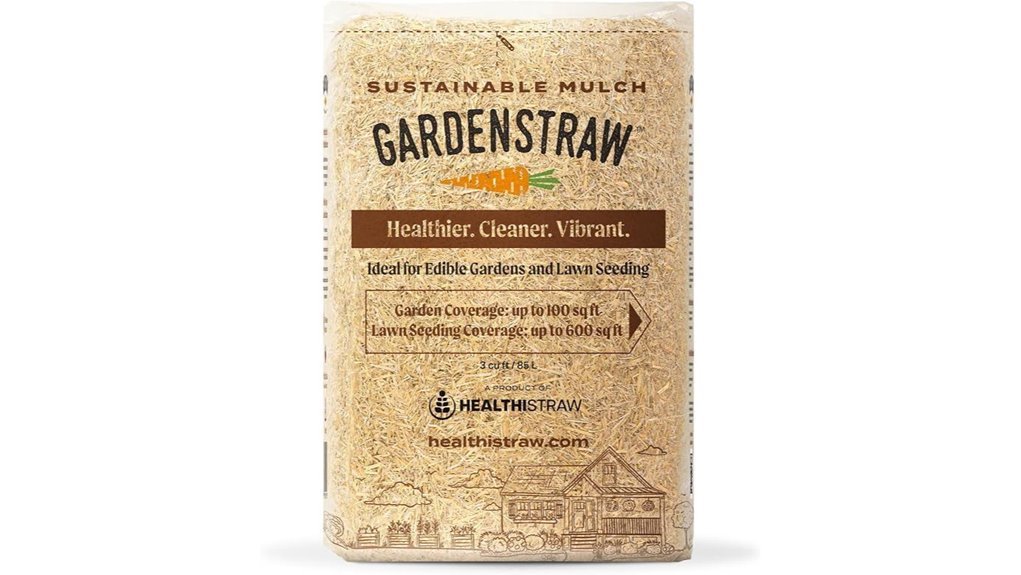
HealthiStraw GardenStraw suits gardeners seeking a clean, natural mulch for beds and soil building. This 3 cu ft bale contains 20 pounds of 100% non-GMO wheat straw in a tan, chemical-free form. Sustainably sourced and thoroughly cleaned, it suits vegetable, herb, flower, and fruit gardens, as well as raised beds, containers, and lawn repair. It retains moisture, reduces evaporation, and can cut watering needs by up to 50%. The interlocking fibers help it stay put. It also improves aeration, limits erosion, supports microbes, and composts quickly into carbon-rich organic matter.
Best For: Gardeners looking for a clean, natural, chemical-free mulch that helps retain moisture, improve soil health, and support vegetable, herb, flower, and fruit gardens.
Pros:
- Made from 100% non-GMO wheat straw and is sustainably sourced and thoroughly cleaned.
- Helps conserve water by retaining moisture, reducing evaporation, and cutting watering needs by up to 50%.
- Improves soil structure by reducing compaction and erosion while supporting microbes and adding organic matter.
Cons:
- As a straw mulch, it may need occasional replenishing as it breaks down over time.
- Coverage can be used up quickly if applying a thicker 2–3 inch layer over a large area.
- May not be the best choice for gardeners looking for a decorative or long-lasting mulch appearance.
Brut Organic Aspen Mulch 10 QT
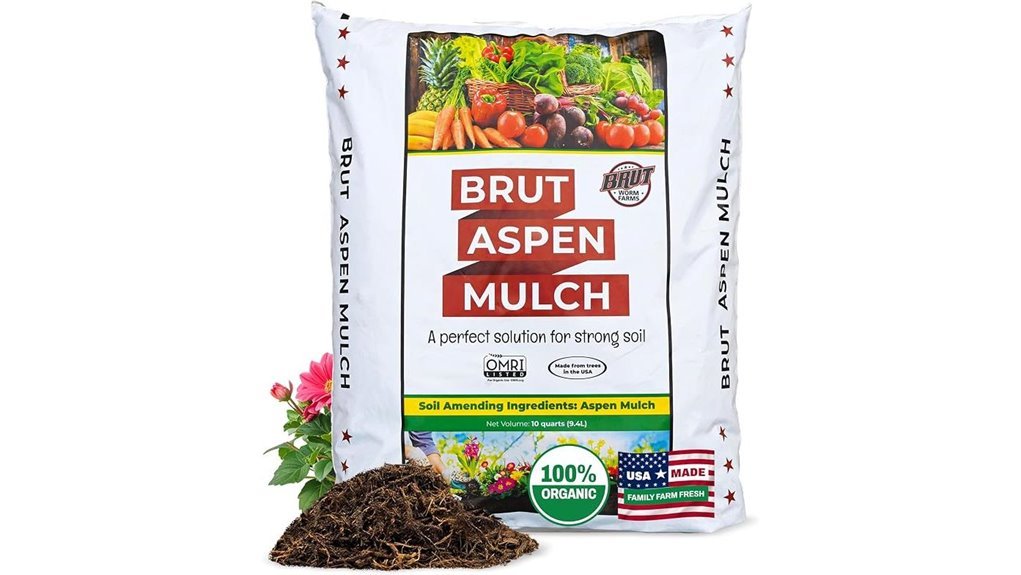
Brut Organic Aspen Mulch 10 QT suits gardeners who want a fine, organic moisture retainer for beds and containers. Made from clean aspen bark, it offers a lightweight texture that spreads easily and looks polished in finished plantings. The mulch helps reduce weed growth while protecting roots and preserving soil moisture, which can lessen watering needs. It supports healthy soil structure and beneficial microbes, making it useful for organic gardens. OMRI listing confirms its suitability for sustainable use indoors or outdoors in garden beds, pots, and planters.
Best For: Gardeners seeking a fine, OMRI-listed organic mulch for beds, pots, and planters that helps retain moisture, reduce weeds, and protect roots.
Pros:
- Fine, lightweight aspen bark spreads easily and creates a neat, polished look.
- Helps conserve soil moisture, which can reduce how often you need to water.
- OMRI-listed and suitable for organic gardening, indoors or outdoors.
Cons:
- 10-quart size may be too small for larger landscaping projects.
- Fine mulch may break down faster than coarser mulches and need replenishing sooner.
- Primarily suited for moisture retention and appearance, not heavy-duty ground coverage.
Factors to Consider When Choosing Garden Mulch in 2026
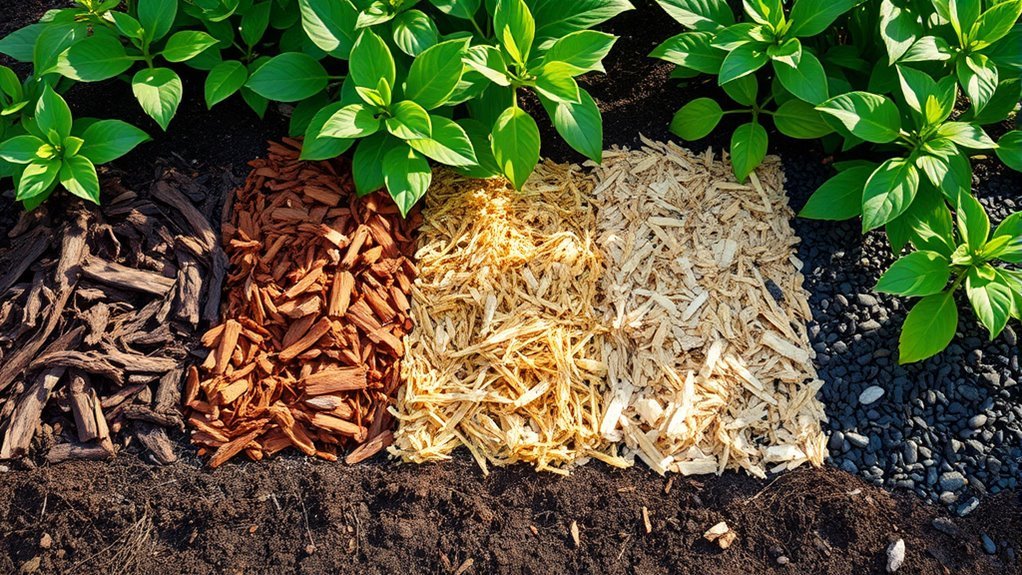
Choosing garden mulch in 2026 often starts with the material type, since bark, wood, straw, and mineral options each serve different needs. Its moisture retention, weed suppression strength, and soil improvement benefits can shape how well it supports plant health. Coverage and expansion also matter, as the best choice should spread efficiently and provide consistent ground protection.
Mulch Material Types
When comparing mulch material types in 2026, gardeners often weigh sustainability, performance, and ease of use. Organic options such as coconut coir and wheat straw support soil health and reduce reliance on chemical inputs, making them attractive for environmentally minded landscapes. Straw mulch is especially valued in vegetable and flower beds because it helps regulate soil temperature and supports healthy growing conditions. Shredded bark and wood chips remain popular for their neat appearance and weed suppression, though they may need topping up more often. Inorganic choices, including gravel and rubber, offer durable ground cover but add no organic matter to the soil. Mulch also differs in handling: compressed blocks are light and convenient, while bulk materials demand more transport and spreading effort.
Moisture Retention Ability
Moisture retention is one of the most important qualities to evaluate in garden mulch, because effective materials absorb and slowly release water to help reduce irrigation needs. Mulches such as coconut coir and wheat straw can limit evaporation and help keep root zones consistently moist. High-quality products also form a protective microclimate, insulating soil against heat and cold while supporting steadier water levels. Interlocking materials, including coconut fibers, can reduce runoff and help moisture remain in place during rainfall or watering. As organic mulch decomposes, it can improve soil structure and raise the ground’s water-holding capacity over time. This combination of absorption, insulation, and gradual breakdown makes moisture retention a central factor in selecting mulch for healthier, less stressed garden beds.
Weed Suppression Strength
Weed suppression is another key measure of mulch performance, since the best materials form a stable, interlocking layer that blocks sunlight and discourages seed germination. Organic choices such as coconut coir and wheat straw can crowd out emerging weeds, reducing reliance on hand pulling or herbicides. Thickness matters as well: a 2- to 3-inch layer usually provides strong coverage, while thinner applications leave gaps that allow weeds to break through. High-quality natural-fiber mulches may also maintain their structure for multiple seasons, preserving suppression longer before replacement is needed. Some options additionally support soil structure, but their primary value here remains the ability to form a dense barrier that keeps unwanted plants from taking hold in garden beds.
Soil Improvement Benefits
Organic mulches such as coconut coir and wheat straw offer more than surface coverage, since they add organic matter that gradually improves soil structure and fertility. As these materials decompose, they return nutrients to the soil and support microbial activity that makes those nutrients more available to plants. Their breakdown also helps loosen dense ground, improving aeration and moisture retention around roots. This creates steadier growing conditions and can reduce how often watering is needed. In addition, mulch limits weed competition, helping preserve soil integrity and directing resources toward desired plants. A stable mulch layer also shields the surface from rain impact and wind erosion, supporting long-term soil health. For gardeners, these soil-building effects can be as valuable as any protective function.
Coverage And Expansion
Coverage is a practical starting point when comparing garden mulch options, especially because some products expand markedly after water is added. That expansion can turn a compact block into enough material for a far larger area than its dry size suggests, making coverage per unit weight an important measure. Product labels should be checked for stated square footage at a specific depth, since that figure indicates whether a bag or block will meet garden requirements. Recommended depth also matters because thicker layers can improve moisture retention and suppress weeds more effectively. Compressed mulch blocks may offer useful volume with less packaging bulk, while lighter products can provide adequate coverage without excess mass. In every case, expansion rate and listed coverage should guide selection.
Ease Of Application
Ease of application can make a noticeable difference in how practical a mulch product feels in real garden use, especially when it expands quickly with water and is ready to spread almost immediately. Compressed blocks are often easier to move, store, and position than loose material, which simplifies handling before spreading begins. Products that need few tools or little extra effort allow the work to proceed smoothly, even in smaller garden areas. Quick moisture retention can help plants receive hydration sooner after application, while controlled release supports steady conditions. Mulch that interlocks or stabilizes once watered stays in place better, reducing the need for repeated adjustments. A straightforward application process saves time and helps maintain even coverage for reliable weed suppression across beds and borders.
Eco-Friendly Composition
When eco-friendly composition is a priority, mulch made from renewable materials such as coconut coir, wheat straw, or aspen bark offers a lower-impact alternative to synthetic products. These organic options are often free from added chemicals and contribute to soil health as they break down, returning organic matter and nutrients to the ground. Peat-free choices are especially important because they help protect peat bogs, ecosystems that store carbon and support biodiversity. Sustainable mulches can also improve water retention, reducing the need for frequent watering and conserving resources. By supporting beneficial insects and enriching the soil, environmentally responsible mulches can strengthen garden biodiversity while limiting overall environmental impact.
Garden Use Compatibility
Choosing mulch that fits the specific planting area helps guarantee it performs well in the garden. Compatibility depends on crop type, bed size, and moisture needs. Coconut husk mulch suits gardens and raised beds because it holds water while improving aeration. Coverage should also be checked carefully, since products may be sold in small 2-cubic-foot bags or in larger volumes for broader areas. Some mulches expand quickly after water is added, which can speed installation and provide immediate coverage. Soil benefit matters as well; mulch that contributes organic matter and nutrients can gradually improve fertility and structure. Weed suppression is another priority, and interlocking or stable layers help limit weed growth and reduce ongoing maintenance in planting areas.
Frequently Asked Questions
How Often Should Garden Mulch Be Replaced?
Garden mulch should usually be replaced every 1 to 3 years, depending on material, weather, and how quickly it breaks down. Organic mulches like bark, wood chips, and straw decompose faster and may need topping up annually. Inorganic mulches last longer but still need occasional renewal or cleaning. The mulch layer should be checked each season, since thinning, compacting, or decay can reduce weed control and moisture retention.
Can Mulch Attract Pests or Rodents?
Yes, mulch can attract pests or rodents when it is damp, deep, or decaying. Moist mulch may invite mites, mice, and termites, especially near foundations or dense plantings. Proper placement, periodic turning, and avoiding excessive layers reduce the risk. Dry, well-managed mulch usually remains beneficial, supporting soil health while limiting shelter for unwanted wildlife. Careful cleanup around beds and buildings helps keep infestations from taking hold.
Is Dyed Mulch Safe for Vegetable Gardens?
Dyed mulch is usually not the best choice for vegetable gardens. Most commercially dyed mulches are made from hardwood and colored with iron-oxide or carbon-based pigments, which are generally considered low risk once fully cured. Still, a detached observer would note that uncertified products may contain contaminants, so untreated, organic mulches like straw, shredded leaves, or compost are safer options for edible beds and soil health.
Does Mulch Affect Soil pH Over Time?
Yes, mulch can affect soil pH over time, though the effect depends on the mulch type. Organic mulches such as pine needles, bark, and wood chips may gradually acidify soil as they break down. Compost usually has little impact. Inorganic mulches rarely change pH. The effect is often slow and modest, so soil testing is the best way to track any meaningful shift in acidity or alkalinity.
Can Mulch Be Used in Winter for Insulation?
Yes, mulch can be used in winter for insulation. It helps moderate soil temperature, reduce freeze-thaw damage, and protect roots from harsh cold and wind. A layer of organic mulch, such as straw, shredded leaves, or bark, is typically applied after the ground begins to cool. It should be kept a little away from plant stems to prevent rot. Excessively thick layers, however, may trap moisture and invite pests.
Conclusion
In choosing among the best garden mulches for 2027, gardeners can find a strong balance of sustainability, moisture control, and weed suppression. While some may assume organic mulch is less effective than synthetic options, these top picks show otherwise, delivering practical performance with added environmental benefits. Whether the goal is conserving water, improving soil health, or simplifying maintenance, each mulch offers a dependable solution suited to different garden needs and growing conditions.
