
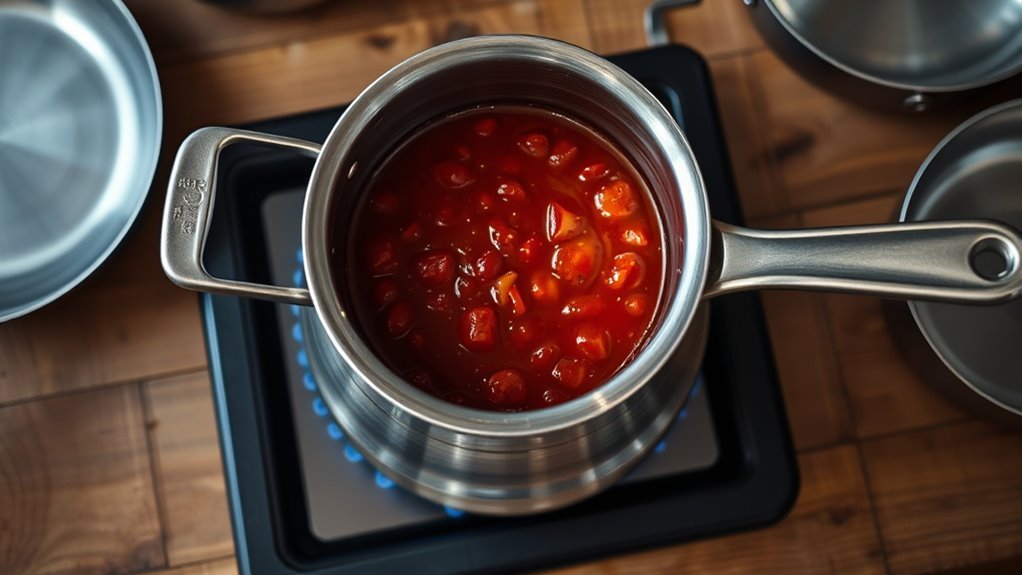
Picture a sturdy saucepan resting on your stovetop, its heavy base promising even heat and delicious meals. A heavy saucepan isn’t just a kitchen tool; it’s an essential for creating rich sauces, hearty soups, and comforting stews. Understanding its features, benefits, and proper care can transform your cooking experience. Curious about what makes these saucepans stand out and how to choose the right one for your needs? Let’s explore.
What Defines a Heavy Bottom Saucepan?
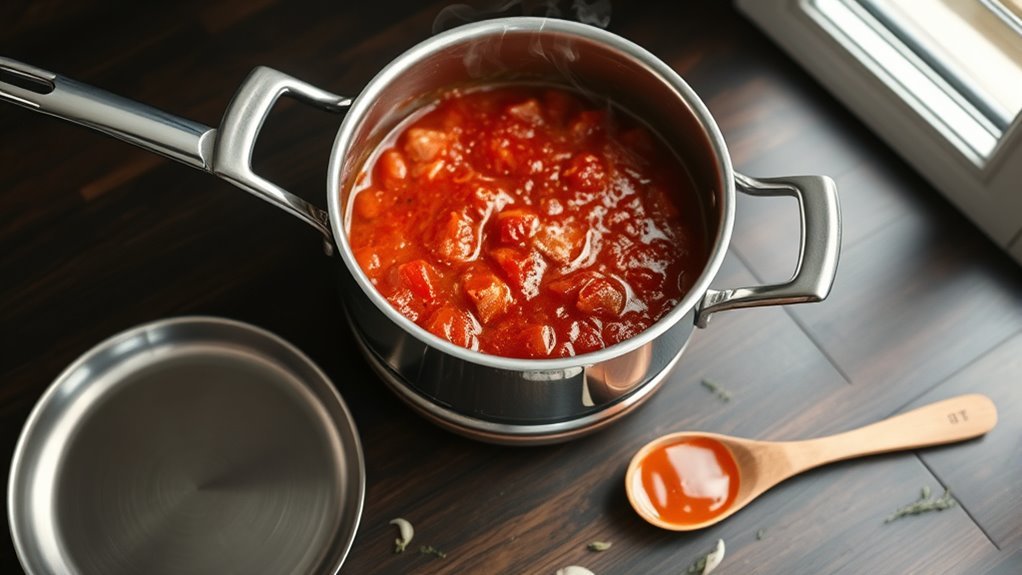
When you think of a heavy bottom saucepan, imagine a sturdy kitchen companion that elevates your cooking experience. These saucepans are crafted from durable materials like stainless steel or cast iron, ensuring even heat distribution that minimizes hot spots. This design is essential for achieving consistent cooking, especially when simmering sauces or preparing delicate dishes.
Typically featuring a tri-ply design, these pans combine layers of stainless steel and aluminum, optimizing heat retention and enabling faster heating. Available in sizes ranging from 2 to 7 quarts, a heavy bottom saucepan caters to a variety of cooking needs and portion sizes.
It’s perfect for serious cooks who value quality; investing in one reduces the risk of scorching food and the need for constant monitoring. So, embrace the power of a heavy bottom saucepan and transform your culinary creations into delightful masterpieces.
Common Materials Used in Heavy Bottom Saucepans
Heavy bottom saucepans come in a variety of materials, each offering unique benefits that can enhance your cooking experience.
Stainless steel is a popular choice, known for its durability and non-reactive nature. Often featuring an aluminum core, it guarantees even cooking and excellent heat distribution.
Stainless steel offers durability and a non-reactive surface, often enhanced with an aluminum core for even cooking and superior heat distribution.
Aluminum, being lightweight and economical, conducts heat well but may discolor some foods; anodizing helps boost its durability.
For precise temperature control, you can’t beat copper, although it requires more maintenance to prevent tarnishing and can react with acidic ingredients.
Cast iron excels in heat retention, providing consistent cooking results, and is often enameled for easier cleaning.
Finally, aluminum-clad saucepans merge stainless steel and aluminum, delivering even heat distribution while maintaining the durability and non-reactive benefits of stainless steel.
Choosing the right material allows you to master your culinary creations with confidence.
Top Benefits of Cooking With a Heavy Bottom Saucepan
Cooking with a heavy bottom saucepan transforms your culinary experience by ensuring even heat distribution throughout the cooking process.
These pans are designed to distribute heat evenly, considerably reducing the risk of scorching and burning your food. With their thicker materials—like stainless steel or cast iron—you get superior heat retention, making them ideal for simmering sauces and slow cooking.
You’ll find that a heavy bottom saucepan is perfect for preparing sauces, soups, and stews, as it provides consistent temperature control essential for delicate tasks.
This versatility means you can use it on various stovetops, including induction, broadening your cooking possibilities. By enhancing the overall cooking quality, a heavy bottom saucepan helps you achieve better texture and flavor in your dishes.
If you’re looking to elevate your kitchen game, this pan is the ideal choice for achieving delicious results every time.
How to Choose the Right Size for Your Heavy Bottom Saucepan?
Choosing the right size for your heavy bottom saucepan starts with understanding your cooking needs.
Think about how much you typically prepare and the space you have in your kitchen; a well-fitting saucepan can make all the difference.
Plus, matching the size to your recipes and portion sizes guarantees you get the most out of your cooking experience.
Consider Your Cooking Needs
When it comes to selecting the right size for your heavy bottom saucepan, understanding your cooking needs is essential.
For individual servings, a small 1-2.75 quart saucepan is perfect, while a medium 3-4.5 quart one suits family meals. If you often cook in bulk, opt for a larger 5-7 quart saucepan.
A versatile 2-3 quart pot excels at making sauces, while a 4-5 quart pot is ideal for soups and stews.
Remember, heavier saucepans offer better heat retention, but make certain you’re comfortable handling them.
Consider a wide saucepan for faster heating and effective evaporation, and check for stovetop compatibility to guarantee it works well with your cooking surface.
Choose wisely to enhance your culinary freedom!
Assess Your Kitchen Space
Before you immerse yourself in selecting a heavy bottom saucepan, it’s essential to assess your kitchen space. Start by evaluating your available storage space, considering cabinet height and width to determine the maximum saucepan size you can accommodate.
If you typically prepare small meals, a 1-2.75 qt saucepan works well. For family dinners, a medium size (3-4.5 qt) is ideal. Planning for large batch cooking? Go for an extra-large option (7+ qt) to handle multiple servings.
Don’t forget about the shape; wider pans provide more cooking surface area for simmering sauces evenly. Finally, verify the saucepan’s weight is manageable for you, especially when it’s full, to keep your cooking experience enjoyable and liberating.
Match Recipes and Portions
Evaluating your kitchen space sets the stage for selecting the perfect heavy bottom saucepan, but it’s just as important to match it with your cooking needs.
By understanding portion sizes and recipe requirements, you can enhance your cooking experience.
- Small (1-2.75 qt): Ideal for single servings and small sauces.
- Medium (3-4.5 qt): Perfect for soups and stews that serve families.
- Large (5-7 qt): Best for bulk cooking or batch recipes, ensuring even heat distribution.
- Wider Saucepans: Great for recipes requiring evaporation, like risottos.
Choosing the right size not only prevents overcrowding but also aligns with your cooking styles, making meal prep easier and more enjoyable.
Cooking Techniques for Heavy Bottom Saucepans
Mastering cooking techniques with a heavy bottom saucepan can elevate your culinary skills considerably. These versatile tools excel in simmering and slow cooking thanks to their thickness, which allows for even heat distribution and exceptional heat retention. Using low heat settings is essential; it helps you maintain precise temperature control, especially for delicate sauces.
To prevent sticking and guarantee even cooking, stir your ingredients frequently. For delicate sauces, consider the double boiler method with your heavy saucepan, allowing gentle heat without direct contact with high temperatures. Here’s a quick reference table to guide you:
| Technique | Benefits |
|---|---|
| Simmering | Reduces scorching risk |
| Low Heat Settings | Precise temperature control |
| Frequent Stirring | Even cooking, prevents sticking |
Embrace these techniques, and you’ll open up a world of culinary possibilities!
How to Care for Your Heavy Saucepans?
Caring for your heavy saucepan is key to keeping it in top shape for years to come.
You’ll want to establish a regular cleaning routine and follow smart storage practices to avoid scratches and damage.
Let’s explore how you can easily maintain your cookware while ensuring it stays as good as new.
Regular Cleaning Techniques
Keeping your heavy saucepan in top shape is easier than you might think. With a few simple techniques, you can maintain its appearance and performance for years to come. Here’s how:
- Cool Down First: Always let your saucepan cool before washing to avoid warping.
- Use Warm Soapy Water: Clean it with warm soapy water and a soft sponge for easy cleaning.
- Soak for Stains: For tough stains, soak the pan in warm soapy water for a few hours to loosen residue.
- Avoid Abrasives: Steer clear of abrasive cleaners or scouring pads that can damage the finish.
Check the care instructions from the manufacturer for any specific guidance, especially regarding dishwasher safety.
Your durable saucepan deserves the best!
Storage Best Practices
Proper storage can make all the difference in maintaining the longevity and performance of your heavy saucepans. To protect them, store in a dry, cool place to prevent moisture buildup that can lead to rust. Always verify your saucepans are completely cooled before storing to avoid warping. When stacking, use protective liners to prevent scratches on the cooking surface. Regularly check and clean handles and lids, especially those with rubber or silicone components, to maintain hygiene and functionality. Avoid damp areas, as humidity can deteriorate the finish of your cookware.
| Storage Tips | Benefits | Key Practices |
|---|---|---|
| Store in a dry place | Prevents rust and corrosion | Choose cool, ventilated areas |
| Use liners when stacking | Prevents scratches and damage | Place cloths between stacked saucepans |
| Clean handles and lids | Maintains hygiene and performance | Regularly inspect and wash thoroughly |
How to Compare Heavy Saucepans?
When you’re in the market for a heavy saucepan, how do you know which one truly meets your cooking needs? Here are some key factors to contemplate:
- Material: Look for stainless steel for excellent heat distribution, or aluminum-clad options for lightweight durability. Cast iron is also a great choice for even heating.
- Thickness: A lower gauge usually means a heavier saucepan, enhancing durability and heat retention.
- Size: Choose from 2 to 7 quarts to fit your cooking style—smaller for sauces, larger for stews.
- Design Features: Opt for ergonomic handles for comfort and a tempered glass lid to monitor your cooking without losing heat.
Lastly, verify the saucepan has induction compatibility and is oven-safe, boosting its versatility in your kitchen.
Making these comparisons helps you find the perfect heavy saucepan that meets your culinary aspirations.
Frequently Asked Questions About Heavy Saucepans
What makes heavy saucepans a favorite among home cooks? These versatile cooking tools, often crafted from stainless steel or cast iron, excel at even heat distribution. This means you can say goodbye to scorching—your sauces and stews will cook evenly and beautifully.
With a thicker base for enhanced heat retention, they’re perfect for slow cooking and simmering.
Most heavy saucepans feature ergonomic handles, making them comfortable to maneuver, whether you’re whipping up a quick meal or a gourmet dish. Ranging from 2 to 4.5 quarts, they cater to all your cooking needs.
Maintenance is a breeze, too! A gentle wash with warm soapy water keeps them looking great, thanks to their durable surfaces that resist staining and discoloration.
Embrace the liberation of cooking with a heavy saucepan, and enjoy the freedom it brings to your culinary creations!
Frequently Asked Questions
What’s the Difference Between a Saucepan and a Regular Pan?
A saucepan differs from a regular pan mainly in its design and purpose.
You’ll find saucepan types with high sides and lids, perfect for simmering and heat distribution. The pan materials often guarantee even heating, while regular pans might prioritize size variations for frying.
With ergonomic handle designs, saucepans offer easier pouring, whereas regular pans focus on flipping.
Understanding these distinctions can elevate your cooking techniques and enhance your culinary experience.
Which Pans to Stay Away From?
You should steer clear of thin-bottomed pans and low-quality cookware materials, as they lead to uneven heat distribution and can burn your food.
Nonstick options that scratch easily mightn’t retain heat well, affecting your results.
While price comparison is tempting, investing in heavier, durable brands pays off in performance.
For maintenance tips, avoid abrasive cleaners to extend the life of your favorite, reliable pans.
Embrace the weight benefits for better cooking!
What Is the Best Heavy Bottom Saucepan?
The best heavy bottom saucepan combines durability, excellent heat distribution, and versatility.
Consider options like the Winco or Cuisinart for their reliable material comparisons and ergonomic designs.
These saucepans excel in slow cooking techniques, ensuring even results without scorching.
You’ll find various size options to fit your needs, with price ranges to suit different budgets.
Embrace the benefits of investing in a quality heavy saucepan, and elevate your cooking experience effortlessly.
Are Stainless Steel Pots Heavy?
Absolutely, stainless steel pots can be heavy! Their weight, typically ranging from 2 to 5 pounds, enhances heat retention and cooking efficiency.
When you compare them to lighter materials, their durability stands out. Plus, many feature ergonomic handles, making lifting easier despite the heft.
Don’t forget maintenance tips—regular cleaning keeps them shining!
While cost factors may vary, investing in a quality stainless steel pot can elevate your culinary game considerably.
Conclusion
In conclusion, a heavy saucepan is your steadfast companion in the kitchen, much like a reliable friend who always has your back. Its ability to evenly distribute heat transforms simple ingredients into culinary masterpieces. By choosing the right size and caring for it properly, you’ll guarantee this essential tool serves you well for years to come. Embrace the versatility and durability of a heavy saucepan, and let it elevate your cooking experience to new heights.

