
The 6 best cut-resistant gardening gloves for 2027 are Dowellife, GLOSAV nitrile gloves, Schwer A7, Schwer A4 AIR-SKIN, DEX FIT Level 5, and Schwer Pro Max A9. They balance cut protection, grip, breathability, and durability for different gardening needs. Dowellife and DEX FIT suit general tasks, GLOSAV works well in wet conditions, and Schwer models handle tougher hazards. The right choice depends on fit, task, and comfort, with more details below.
Dowellife Cut Resistant Work Gloves for Men & Women
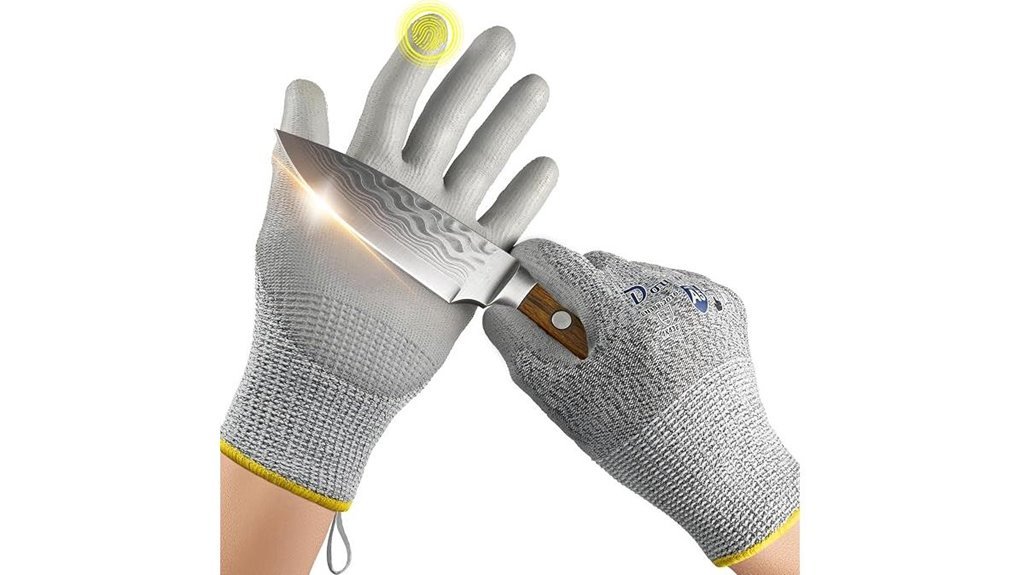
Dowellife Cut Resistant Work Gloves for Men & Women stand out as a strong choice for gardeners who need serious hand protection without sacrificing dexterity. Their ANSI A5 cut resistance helps shield hands from glass, metal, blades, fishing lines, and thorny branches, while EN388 Level 4 abrasion resistance adds durability in rough tasks. The microporous PU coating improves airflow and flexibility, and the true-to-size fit supports all-day use. A fine-textured grip holds tools securely, even in damp conditions. Touchscreen compatibility, machine-washable construction, and broad utility in gardening, construction, and automotive work round out the design.
Best For: Gardeners, DIYers, and tradespeople who want cut-resistant gloves with strong grip, good breathability, and touchscreen convenience for detailed work.
Pros:
- ANSI A5 and EN388 Level 4 protection offers solid defense against cuts and abrasion.
- Microporous PU coating improves breathability, flexibility, and all-day comfort.
- Textured grip, touchscreen compatibility, and machine-washable design add everyday convenience.
Cons:
- Small size may not fit users who need a larger or looser glove.
- Cut resistance is strong, but not a substitute for heavy-duty industrial protective gear in extreme conditions.
- PU-coated gloves may not feel as rugged or cushioned as thicker leather options for some users.
Durable Nitrile Gardening Gloves for Men (Medium)
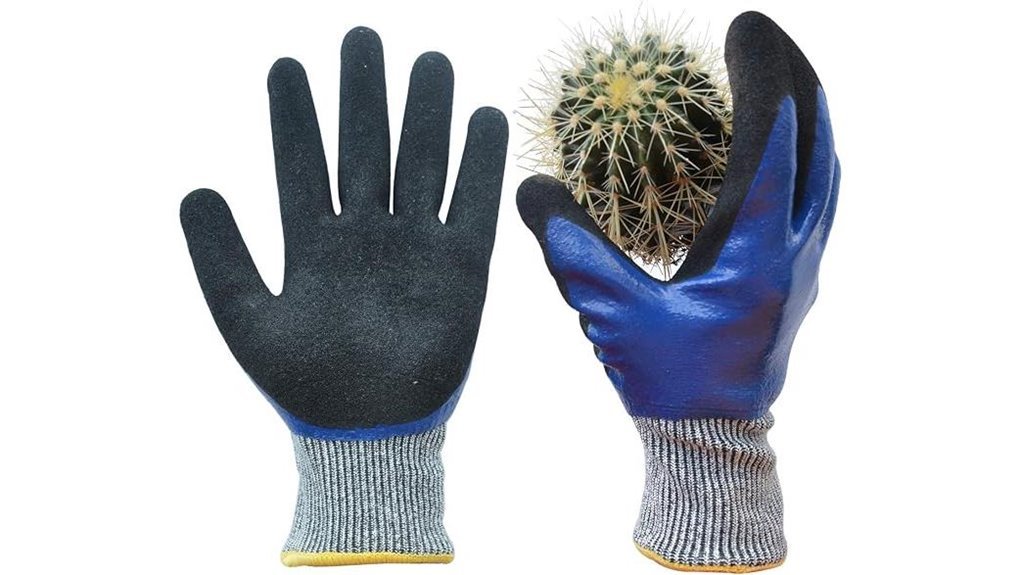
GLOSAV’s medium blue gloves suit gardeners needing serious cut protection and wet-job durability. The heavy-duty nitrile design combines HPPE cut resistance rated Level 5 with double-coated nitrile rubber, making the gloves particularly tougher than leather and better prepared for thorns, sharp metal, and abrasive tasks. Full waterproofing supports fishing, plumbing, and damp garden work. The frosted palm improves grip, while touchscreen compatibility adds convenience. Ambidextrous, pull-on, and reusable, they fit routine use in woodworking or hauling. Hand or machine washing helps preserve performance.
Best For: Gardeners, DIYers, and workers who need medium-sized gloves with strong cut protection, waterproof durability, and good grip for thorny or wet tasks.
Pros:
- Level 5 HPPE cut resistance helps protect against thorns, sharp metal, and rough materials.
- Double-coated nitrile rubber adds puncture resistance and full waterproofing for wet jobs.
- Touchscreen compatibility and ambidextrous pull-on design make them convenient for everyday use.
Cons:
- Medium size may not fit users who need a larger or smaller glove.
- Heavy-duty protection can feel less flexible than lighter gardening gloves.
- Best performance depends on proper care, including regular washing and maintenance.
Schwer 2 Pairs A7 Cut Resistant Work Gloves, Touchscreen, CR3027, L
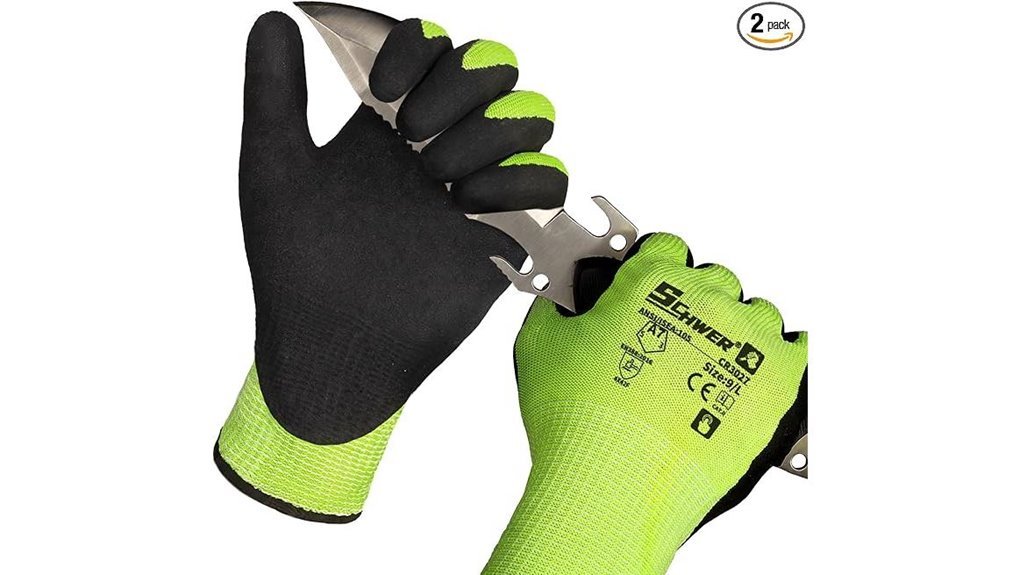
Schwer’s A7 gloves suit gardeners who face sharp, rough, or heavy-duty hazards. Made from HPPE, metal wire, and a sandy nitrile coating, the large imported pair meets ANSI A7 standards for medium to heavy cut risks. The coating improves grip in wet or greasy conditions, while the flexible build supports efficient movement. Touchscreen compatibility lets users handle phones or tablets without removal. Reusable and washable, the gloves are built for long-term use. Though suited to gardening, they also fit construction, woodworking, cargo handling, and other demanding tasks.
Best For: Gardeners and other hands-on users who need high cut protection, strong grip, and touchscreen compatibility for demanding tasks.
Pros:
- ANSI A7 cut resistance for medium to heavy hazards
- Sandy nitrile coating offers reliable grip in wet or greasy conditions
- Reusable, washable, and touchscreen compatible for added convenience
Cons:
- May be more protection than needed for light-duty work
- Large size may not fit users with smaller hands
- Not designed to eliminate all risk in extremely hazardous environments
Schwer A4 AIR-SKIN Cut Resistant Work Gloves, Ultra Lightweight, AR5918, L
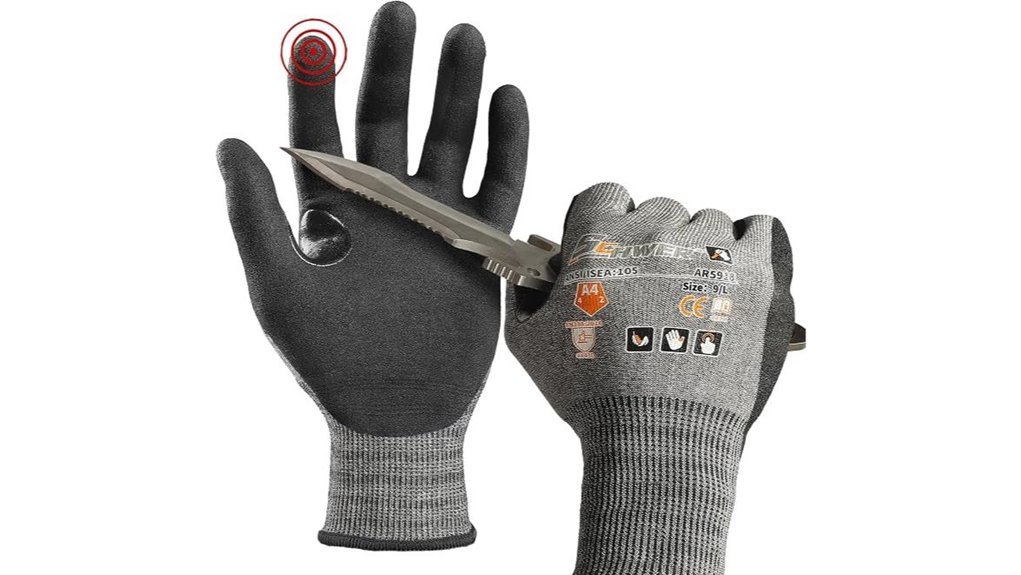
The Schwer A4 AIR-SKIN gloves suit users who need lightweight, precise hand protection. Built from HPPE, polyester, spandex, and metal wire, they use cut-resistant composite yarns in an ultra-thin, snug design. Their ANSI A4 rating supports medium-duty defense against cuts, punctures, and abrasion, while the fiberglass-free construction benefits allergy-sensitive users. A sandy nitrile coating improves waterproofing, oil resistance, and grip in wet, dry, or oily conditions. Reinforced thumb crotch adds durability. Suitable for gardening, assembly, warehouse tasks, and wire handling, they balance comfort with dependable control.
Best For: Users who need lightweight, snug-fitting ANSI A4 cut-resistant gloves for precision tasks like assembly, warehouse work, gardening, and wire handling.
Pros:
- Ultra-thin, second-skin feel with good dexterity for detailed work
- Sandy nitrile coating helps improve grip, waterproofing, and oil resistance
- Fiberglass-free construction and reinforced thumb crotch add comfort and durability
Cons:
- ANSI A4 protection is medium-duty, so it may not suit the most extreme cut hazards
- Snug fit may feel too tight for users who prefer looser gloves
- Not ideal if you need heavy insulation or warmth for cold conditions
DEX FIT Level 5 Cut Resistant Gloves
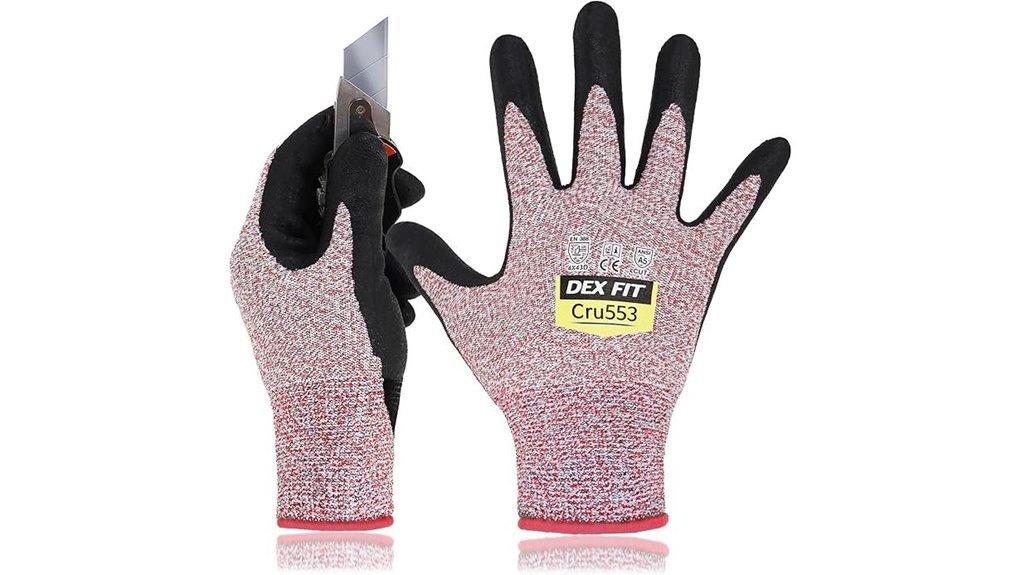
DEX FIT’s Level 5 gloves suit gardeners needing maximum cut protection without bulky bulk. The Cru553 model uses a thin, lightweight 3D-comfort fit with 60% HPPE, fiberglass, nylon, and spandex, plus a foam nitrile palm. Its ANSI A5 rating offers strong cut resistance, while the anti-slip coating helps on wet or greasy tools. The 13-gauge liner keeps dexterity high, and the fitted, ambidextrous design improves usability. Touch-screen compatibility adds convenience. Machine washable, latex free, and OEKO TEX certified, they also suit woodworking, food prep, and manual handling.
Best For: Gardeners, woodworkers, and manual workers who need thin, lightweight Level 5 cut protection with good grip and dexterity.
Pros:
- ANSI A5 cut resistance provides strong protection against sharp tools and materials.
- Thin 13-gauge, fitted design offers comfort and high dexterity without bulky bulk.
- Foam nitrile palm improves grip on wet or greasy surfaces and is touchscreen compatible.
Cons:
- Medium size may not fit everyone, limiting convenience for some users.
- Thin, lightweight construction may feel less padded than heavier-duty gloves.
- Not ideal for tasks requiring maximum impact protection or heavy insulation.
Schwer Pro Max ANSI A9 Cut Resistant Leather Work Gloves, PM3401, M
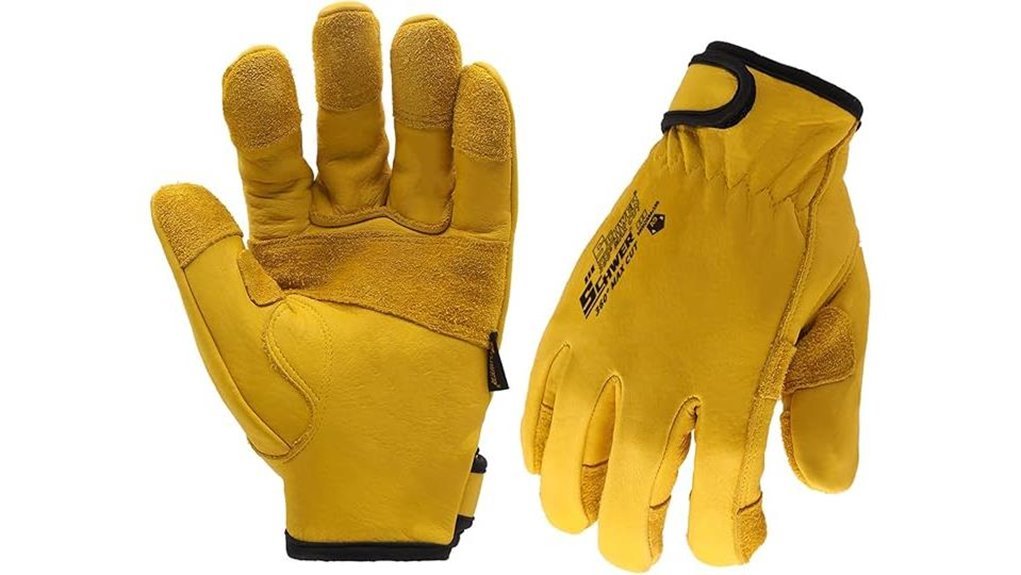
Built for users facing sharp hazards, the Schwer Pro Max PM3401 delivers ANSI A9 cut protection and full-grain cowhide durability. Its certified liner helps guard against blades, glass, metal, and rough edges, while reinforced palms and fingertips improve abrasion and puncture resistance. The medium-size glove pairs HPPE, polyester, spandex, and metal wire with a wedge thumb for flexibility. Hook-and-loop closures secure the fit and help block debris. Though suited to construction, welding, and metalwork, it also serves gardening tasks requiring reliable grip, comfort, and protection. Hand washing preserves performance.
Best For: Mechanics, construction workers, welders, metalworkers, landscapers, and other users who need high-level cut protection with durable leather grip and everyday comfort.
Pros:
- ANSI A9 cut-resistant liner provides very high protection against blades, glass, metal, and sharp edges.
- Full-grain cowhide with reinforced palms and fingertips improves durability, abrasion resistance, and grip.
- Hook-and-loop closure and wedge thumb design offer a secure fit and better flexibility.
Cons:
- Hand wash only, which is less convenient than machine-washable gloves.
- The heavy-duty protective build may feel bulkier than lighter work gloves.
- Medium size may not fit users who need a more precise or larger fit.
Factors to Consider When Choosing Cut-Resistant Gardening Gloves in 2026
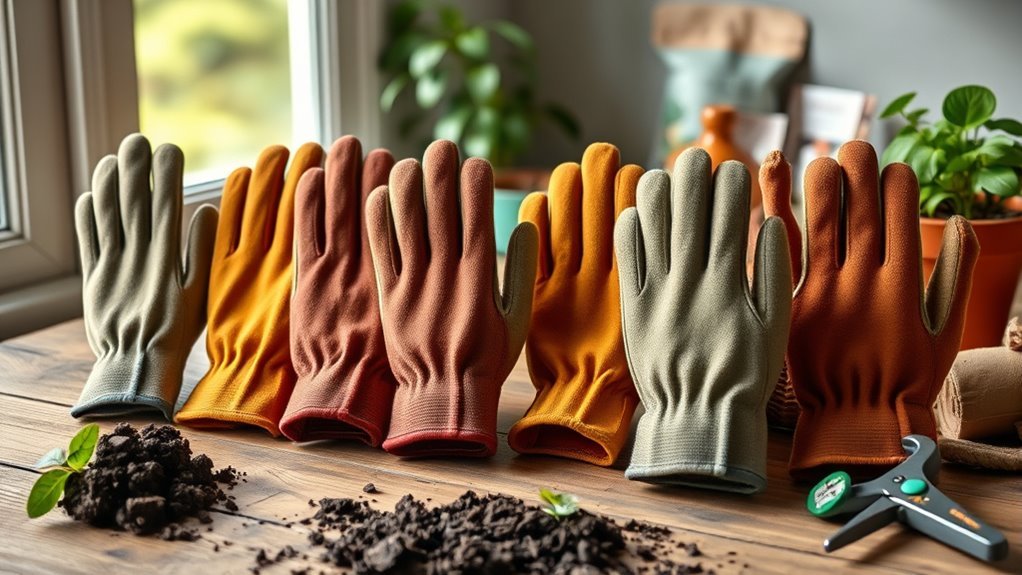
In 2026, choosing cut-resistant gardening gloves depends first on the needed cut resistance level for the tasks at hand. Breathability, comfort, wet-grip performance, durability, and reusability also shape how well the gloves hold up in real garden use. Touchscreen compatibility and fingertip dexterity may matter as well, especially when handling tools or devices without removing the gloves.
Cut Resistance Level
Cut resistance levels matter because they indicate how well a gardening glove can withstand sharp objects, with ANSI ratings ranging from A1 to A9. In gardening, an A5 glove often offers a practical balance, protecting against moderate hazards such as thorns, stems, and hand tools. Higher ratings, including A7 and A9, are designed for more severe risks and are better suited to handling metal, glass, or other sharp debris. Material choice also influences performance, with HPPE and metal wire improving resistance to cuts and abrasions. Selecting the proper rating depends on the task, since overprotection can be unnecessary while underprotection increases injury risk. Matching the glove’s cut level to the work improves safety and reliability in the garden.
Breathability And Comfort
Comfort often determines whether cut-resistant gardening gloves get worn for an entire session or removed halfway through. Breathability should thus rank high, with microporous coatings offering far better air circulation than traditional materials. That design helps reduce heat buildup and supports longer use without discomfort. A true-to-size fit also matters, since gloves that are too tight can increase hand fatigue, while oversized pairs can feel awkward and less controlled. Flexible constructions using spandex or similar stretchy fibers improve dexterity for pruning, potting, and other detailed tasks. Lightweight yet durable gloves usually balance protection with easier wear. Moisture-wicking materials add another layer of comfort by moving perspiration away from the skin, keeping hands drier during warm gardening sessions and making the gloves more pleasant to keep on.
Grip In Wet Conditions
A strong wet-weather grip can make the difference between steady control and a dangerous slip when gardening in damp conditions. Cut-resistant gloves with textured coatings, such as sandy nitrile, are especially useful because they help prevent slipping on tools, pots, and slick stems. Anti-slip designs matter in humid weather, where moisture can quickly reduce handling confidence. Materials also affect traction: a foam nitrile palm often delivers stronger grip on wet surfaces than smoother finishes. For gardening tasks involving rain, dew, or wet soil, gloves that maintain control without sacrificing cut protection improve safety and efficiency. The best options let the wearer handle damp materials securely, reducing accidental drops and making careful work easier in challenging conditions.
Durability And Reusability
Beyond grip, durability and reusability are major factors in choosing cut-resistant gardening gloves in 2026. The strongest options are built to outlast multiple pairs of standard gloves, with some lasting about four times longer than typical leather models. Materials such as HPPE and nitrile improve resistance to cuts, punctures, and abrasion, making them well suited to sharp tools and thorny plants. Reinforced seams and durable coatings further reduce wear in demanding tasks. Reusability also matters, because gloves that can be used repeatedly without significant degradation offer better value over time. Proper care, including machine washing or hand washing when allowed, helps preserve protection and hygiene after repeated use, extending service life and maintaining dependable performance in the garden.
Touchscreen And Dexterity
Touchscreen compatibility has become a practical feature in cut-resistant gardening gloves, letting users check devices or answer calls without removing protection. It supports uninterrupted work when gardeners consult apps, timers, or messages outdoors. Just as important, high dexterity keeps tools, stems, and thorns under careful control, lowering the chance of slips or accidents. Gloves with flexible materials such as spandex and lightweight coatings usually move more naturally, creating a secure yet comfortable fit. Fine-textured grip surfaces further improve handling on wet handles and smooth pots. The best designs balance cut resistance with nimble movement, so protection does not weaken performance. When gloves remain responsive, gardeners can work faster, safer, and with greater precision throughout demanding tasks.
Frequently Asked Questions
Are Cut-Resistant Gardening Gloves Puncture-Proof Too?
No; cut-resistant gardening gloves are not usually puncture-proof too. They may resist cuts from blades, but thorns, splinters, or needles can still penetrate. For puncture-prone tasks, thicker, reinforced gloves are preferable.
Can I Machine Wash Cut-Resistant Gardening Gloves Safely?
Yes, many cut-resistant gardening gloves can be machine washed safely, but the label should be checked first. Mild detergent, cold water, and air drying usually preserve fibers better than heat or bleach does.
Do Touchscreen Gloves Work With Wet Hands?
Rarely, as if wet fingers were sabotaged by a tiny electrical gremlin. Touchscreen gloves may function with slight dampness, but soaked hands usually defeat them, causing missed taps, sluggish response, and frustrating inaccuracy.
Will Cut-Resistant Gloves Protect Against Thorns and Splinters?
Generally, yes, cut-resistant gloves can help against thorns and splinters, but protection is limited. Punctures from sharp thorns may still penetrate thinner gloves, so thicker, reinforced materials offer better defense for gardening tasks.
How Often Should Gardening Gloves Be Replaced?
Gardening gloves should be replaced whenever they show holes, thinning palms, loose stitching, or persistent odor, typically every one to two seasons with regular use; heavy-duty use or rough tasks may require more frequent replacement.
Conclusion
In the quiet geometry of the garden, the six gloves seem to arrive by coincidence, each catching the light in a different way: the Dowellife’s steady grip, the nitrile pair’s practical shell, Schwer’s layered protection, DEX FIT’s nimble fit, and the Pro Max’s hardened confidence. Together, they suggest a simple truth—safety and comfort can meet at the same edge of effort, where thorns, soil, and care finally align.

