
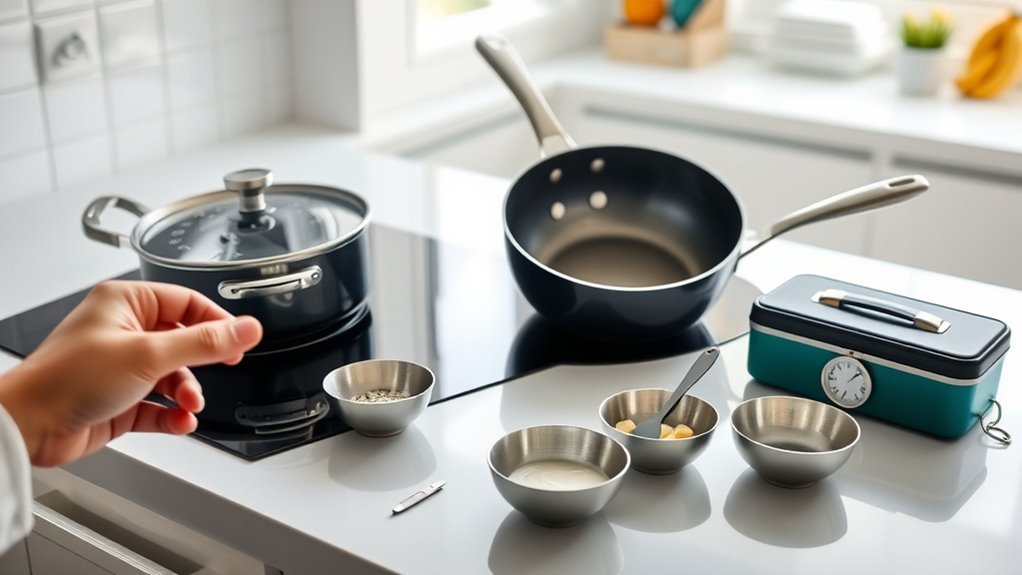
About 78% of cookware buyers cite non-stick safety as a top concern, so you’ll want clear answers about Mopita. You’ll learn what the pans are made of, which coatings they use, and the real risks from overheating or wear. I’ll also cover durability, when to replace a pan, care tips, and compatibility with hobs and dishwashers—so you can judge safety and longevity for your kitchen needs.
Quick Answer: Is Mopita Cookware Safe to Use?
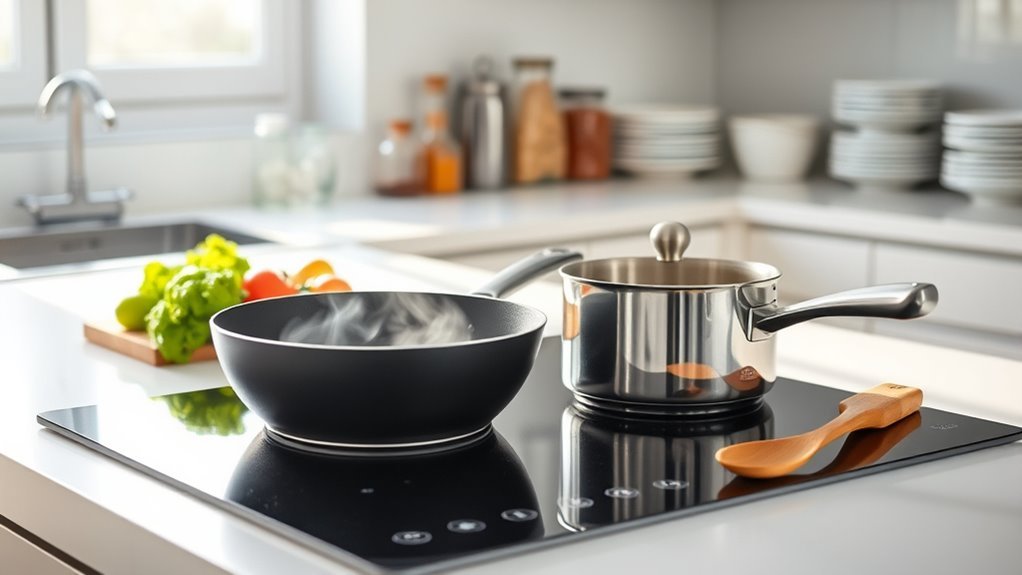
Wondering whether Mopita cookware is safe to use? You can be confident: Mopita pairs high quality construction with safer non-stick coatings. The brand uses aluminum and stainless steel cores that deliver durable performance, and its surface treatment is formulated without PFOA and PTFE, addressing common PFAS nonstick concerns.
Tests and specifications indicate the coating tolerates typical and high cooking temperatures without releasing toxic fumes, so you won’t compromise indoor air quality during normal use. You’ll also gain versatility: compatible models handle induction, gas, and electric heat sources.
To preserve safety and longevity, follow precise care steps — avoid overheating, use soft utensils, and clean gently — because misuse, not the materials, typically causes degradation. This methodical approach frees you from anxiety about hidden toxins and supports culinary autonomy.
In short: when used and maintained correctly, Mopita offers a practical, evidence-based path to safer non-stick cooking.
Materials and Origin (What Mopita Is Made Of)
Because Mopita combines modern engineering with Italian craftsmanship, you get cookware built from high-quality aluminum for fast, even heat distribution and a five-layer, reinforced nonstick coating designed for durability and scratch resistance.
You’ll find that Mopita products are manufactured in Italy, which ties advanced production methods to long-standing artisanal oversight. This matters: uniform aluminum cores reduce hotspots, so you control temperature confidently and waste less energy.
The five-layer reinforcement supports regular, light cooking without immediate wear, and the formulation is free from harmful chemicals, including PFOA and PTFE, lowering your exposure risks during normal use.
Design choices balance form and function so pans are lightweight, responsive, and visually restrained—useful if you value practical freedom in the kitchen.
When evaluating materials and origin, focus on heat performance, structural integrity, and chemical safety; Mopita’s documented choices address all three.
That lets you choose cookware aligned with efficient cooking and safer everyday use.
Coatings: Layers and PFOA/PTFE Status
Mopita’s pans use a five-layer reinforced nonstick system designed to resist scratches and abrasion while maintaining performance at high cooking temperatures.
You’ll find the coatings engineered for durability: layered construction distributes wear and preserves release properties so you can cook reliably without constant reconditioning. Importantly, these layers are formulated free of PFOA and PTFE, removing common chemical concerns and allowing you to choose utensils and practices that support long-term usability rather than premature replacement.
Coatings are layered for durable release and are PFOA- and PTFE-free, encouraging mindful utensil use and longer-lasting pans
You should still treat the finish deliberately. Avoid metal tools and harsh scrubbing that abrade the layers; prefer silicone or wooden utensils and gentle sponges.
Hand washing with mild detergent preserves the integrity of the coatings more effectively than dishwasher cycles or aggressive cleaners, which can degrade bonding over time. This methodical care extends useful life, reduces waste, and aligns practical kitchen habits with a liberated approach to ownership and resourcefulness.
Heat & Fumes: Overheating and Health Risks
Having covered how the coatings are built and how to care for them, you should also understand how heat affects safety and performance.
Mopita is engineered to tolerate high temperatures without the toxic fume risks linked to older PTFE nonstick products, and its formula excludes PFOA and PTFE. That reduces acute health hazards during normal cooking.
Still, overheating beyond about 260°C (500°F) can degrade the coating and potentially produce harmful emissions; you should avoid open-flame searing to that extreme.
To protect yourself and extend function, use moderate, controlled heat and preheat briefly so pans distribute heat evenly.
Follow manufacturer care and never leave an empty pan on high heat. If you detect discoloration, warping, or unusual odors after heavy heating, stop use and inspect the surface.
Durability: Common Failures and Lifespan
You’ll see three common durability issues with Mopita cookware: progressive wear of the 5-layer non-stick coating, fatigue of handles and rivets from repeated use, and base warping or deformation from thermal stress.
Evidence shows the coating resists scratches better than single-layer finishes but will thin or scratch with improper utensils, overheating above 260°C, or dishwasher abrasion.
Monitor handle stability and base flatness during routine inspection, since loose rivets and warped bases shorten service life even when the non-stick layer remains intact.
Coating Wear Over Time
1 main factor in coating wear is mechanical abrasion: the 5-layer non-stick is engineered for scratch resistance, but repeated contact with metal utensils or abrasive scouring will eventually strip layers and reduce performance.
You should treat non-stick pans as a precision surface: avoid metal utensils, use silicone or wooden tools, and never scour aggressively.
Evidence shows wear accelerates with improper cleaning and overheating; sustained temperatures above 260°C (500°F) can compromise the coating’s integrity and speed degradation.
Hand wash with mild dish soap rather than the dishwasher to preserve layers.
Follow model-specific manufacturer guidelines, since construction and instructions vary.
Handle And Rivet Fatigue
While Mopita’s ergonomic soft-touch handles and durable rivets are built to stay secure under normal use, they can still experience fatigue if you overheat the pan, subject it to repeated stress, or neglect proper care. You’ll preserve handle integrity by washing by hand, avoiding metal utensils, and preventing sustained high heat that accelerates rivet wear. Inspect attachment points periodically for looseness or corrosion; early action prevents sudden failure and keeps your freedom to cook without fear.
| Factor | Recommendation |
|---|---|
| Heat exposure | Avoid sustained high heat |
| Cleaning | Hand wash only |
| Utensils | Use non-metal tools |
Treat the handle and rivet as safety-critical components; routine care extends durability and maintains your control.
Base Warping And Deformation
Because Mopita uses thick, high-quality aluminum, its bases resist deformation under normal cooking. However, you should still avoid extreme heat and sudden temperature changes that push the metal beyond its limits.
You get excellent heat conduction from the aluminum base, yet overheating above 260°C (500°F) risks structural compromise and base warping. To preserve durability, don’t transfer a hot pan directly into cold water or use high open-flame settings.
Hand wash gently and avoid metal utensils that can scratch the nonstick and indirectly reduce lifespan. Inspect the base periodically for unevenness that alters contact with your stovetop.
With methodical care—moderate heat, gradual temperature changes, and proper cleaning—you maintain form and reclaim agency over your cookware’s performance and longevity.
When to Replace a Mopita Pan
If you notice scratches, peeling, discoloration, warping, a loose handle, or a loss of nonstick performance, replace your Mopita pan promptly to maintain safety and cooking quality.
Inspect the non-stick coating regularly: visible wear, flaking, or deep scratches can release particles and undermine consistent release, so swap the pan for clear safety reasons.
Inspect nonstick surfaces often: visible wear, flaking, or deep scratches mean it’s time to replace the pan for safety.
Track temperature use — sustained overheating above 260°C (500°F) degrades the coating and shortens usable life; if you’ve exposed the pan to such heat, plan replacement.
Monitor performance over time: diminished release after routine use, often within a few years, signals replacement is due.
Check the base and body for discoloration or warping; either can affect heat distribution and safety.
Test the handle for wobble or damage; an unstable handle creates immediate risk and warrants replacing the cookware.
Adopt a methodical inspection routine and replace a compromised Mopita pan to protect your meals and maintain your culinary freedom.
How to Use and Care for Mopita Cookware
When you use and care for Mopita cookware correctly, you’ll preserve its 5-layer nonstick coating and aluminum body for longer service and safer cooking. Hand wash with mild dish soap and a soft sponge; avoid the dishwasher to protect the coating. Use silicone, wood, or other soft utensils—metal can scratch and shorten nonstick life. Follow your model’s care sheet for any unique limits.
| Action | Rationale |
|---|---|
| Hand wash gently | Maintains 5-layer nonstick integrity |
| Soft utensils only | Prevents scratches to coating |
| Observe oven limits | Many are oven safe to ~350°F |
| Avoid extreme heat | >500°F degrades nonstick performance |
You’ll liberate your kitchen practice by treating cookware as durable equipment, not disposable goods. Monitor surface wear; replace pans that show deep scratches or flaking. Staying methodical and evidence-based in care keeps Mopita cookware reliable, safe, and aligned with your values of longevity and practical freedom.
Hob, Oven, and Dishwasher Compatibility
You can use Mopita pans on gas, electric, and glass-ceramic hobs but they’re not induction-compatible unless a model explicitly states it.
Most pans tolerate oven temperatures up to about 350°F (180–230°C) and are dishwasher-safe, but avoid exposing them to temps above 260°C (500°F) to protect the non-stick surface.
Check each product’s specifications for model-specific induction compatibility and precise oven limits.
Hob Compatibility Overview
Although Mopita cookware isn’t built for induction, it performs reliably on gas, electric, and glass-ceramic hobs thanks to its thick aluminum construction that promotes even heat distribution. Many pans are also oven-safe up to about 350°F (180–230°C) and are labeled dishwasher safe, though hand washing is recommended to preserve the non-stick coating and extend lifespan.
You’ll find hob compatibility straightforward: avoid induction hobs because the base lacks magnetic material. On gas, electric, and glass-ceramic surfaces, the pans heat evenly, so you can cook efficiently and confidently.
Though manufacturers mark many pieces dishwasher safe, routine hand washing reduces abrasion and chemical exposure that can shorten non-stick life. Choose, then, to use compatible hobs and gentle cleaning to keep freedom in your kitchen.
Oven & Dishwasher Limits
Because Mopita pans tolerate oven temperatures up to about 350°F (180–230°C), you can finish dishes in the oven or use them for moderate baking—but don’t exceed roughly 260°C (500°F), which risks degrading the non-stick surface and compromising safety.
You’ll find Mopita products are oven-safe for many tasks, yet their base design excludes induction hobs, so check model specs before assuming full stovetop interchangeability.
Although labeled dishwasher safe, hand washing with a soft sponge preserves the non-stick coating and extends service life; use the dishwasher sparingly.
Follow recommended temperature limits and cleaning guidance to avoid accelerated wear or emission risks.
Consult the specific product manual for any model-specific restrictions; that guarantees safe, liberating use without needless compromise.
Quick Buying Checklist for Safe Mopita Models
When choosing a safe Mopita model, start by confirming the non-stick coating is free of PFOA and PTFE, since that directly reduces chemical risks during cooking. Also, verify the body combines high-quality aluminum and stainless steel for durability and even heat distribution.
Next, check induction compatibility so the pan will work with your cooktop—if it’s not compatible, you’ll limit your options and waste resources. Prefer dishwasher-safe labels to simplify maintenance, but confirm the manufacturer’s temperature limits to avoid degrading the coating.
Read care instructions to preserve non-stick performance: avoid metal utensils, high-heat searing beyond recommended temperatures, and abrasive cleaners. Inspect warranty and third-party testing claims for evidence-based safety assurances.
Finally, choose models with clear, specific care guidance and return policies so you can act if the product underperforms. This methodical checklist helps you reclaim control over cookware choices while minimizing health and longevity risks.
Frequently Asked Questions
What Pots and Pans Should I Stay Away From?
Avoid pans with old or damaged nonstick coatings, especially pre-2015 models that may contain PFOA, and ceramic nonstick pans that quickly lose effectiveness.
Don’t use scratched surfaces or metal utensils that ruin coatings. Instead, choose non stick alternatives like stainless steel, cast iron, or carbon steel for durable, safer cooking.
You’ll reclaim control of your kitchen by prioritizing longevity, repairability, and materials with clear safety profiles.
What Is the Least Toxic Cookware to Use?
The least toxic cookware is stainless steel, followed by cast iron and other non stick alternatives like ceramic or uncoated carbon steel.
You’ll choose stainless steel for neutral reactivity, cast iron for durable, chemical-free seasoning, and ceramic or uncoated options to avoid PTFE/PFOA.
Use proper care—avoid overheating, metal utensils, and chipped coatings—to minimize exposure and waste, empowering you to cook safely and reduce environmental impact.
What Is the Safest Brand of Ceramic Cookware?
Buy GreenPan or Scanpan — they’re the safest ceramic cookware brands backed by testing.
You’ll enjoy ceramic cookware benefits like lower toxin risk and easy cleanup; compare ceramic vs stainless for nonstick needs and heat response.
Pick brands that disclose materials, avoid PFAS/lead/cadmium, and offer eco friendly alternatives.
You’ll want durability data and user tests, so you can confidently choose cookware that frees you from risky coatings.
Why Can’t You Use Olive Oil on Ceramic Pans?
You shouldn’t use olive oil on ceramic pans at high heat because olive oil smoke forms below searing temperatures, breaking down the coating and leaving carbonized residue.
For ceramic pan care, stick to low-medium heat and wipe away buildup promptly.
Choose cooking oil alternatives with higher smoke points—avocado, refined sunflower, or grapeseed—to protect the nonstick surface.
You’ll preserve performance, extend lifespan, and keep your cooking liberated from sticky damage.
Conclusion
Mopita cookware is safe if you follow evidence-based limits: it’s made from durable aluminum with non-stick coatings free of PFOA and PTFE, so it won’t release PFAS under normal use. Don’t overheat above 260°C (500°F) or let coatings suffer abrasions; think of your pan like a tuned instrument—treat it gently and it performs. Inspect for wear, use soft utensils, clean gently, and replace any pan with deep scratches, flaking, or warped bases.
